
Reviewed · NEW ORLEANS VOODOO TOURS
New Orleans: Voodoo, Storyville, and Treme Walking Tour
Storyville is more than a name from old jazz lore. For about 20 years, New Orleans had a decriminalized prostitution district here, where musicians including Jelly Roll Morton, King Oliver, and Sidney Bechet helped shape early jazz. This walking tour follows that story into Treme, Congo Square, and the city’s complicated religious past.
I like that the route pairs Storyville’s surviving buildings with the cultural history of Congo Square, rather than treating New Orleans as a string of pretty façades. I also like its effort to separate fact from legend in the story of Marie Laveau, and to explain how West African religious traditions met Roman Catholicism.
The main drawback is a substantial amount of walking in just two hours, with several stops and a lot of history to take in. There is also a practical reliability concern: one recent booking reported that the guide did not arrive and no cancellation notice was sent, so confirm your start details before you set out.
Key points to know before you go
- Storyville’s former red-light district: See surviving buildings and hear how the district’s 20-year history connected to early jazz.
- Marie Laveau’s story: Visit the site of her home and consider which parts of the Voodoo Queen’s biography are fact and which are legend.
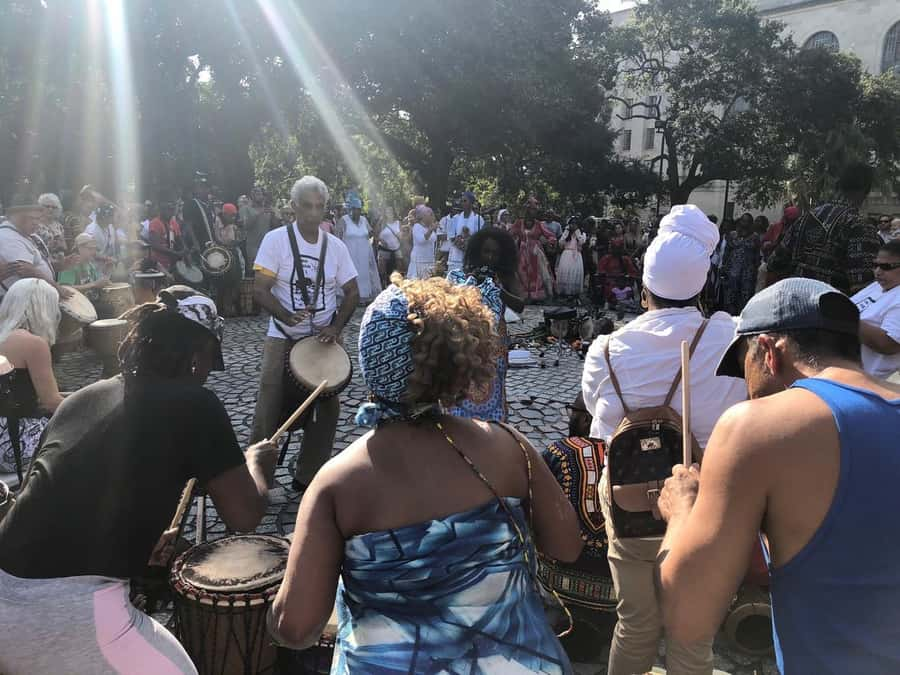
- Congo Square and Louis Armstrong Park: Learn about a place central to the tour’s discussion of African-American culture and New Orleans history.
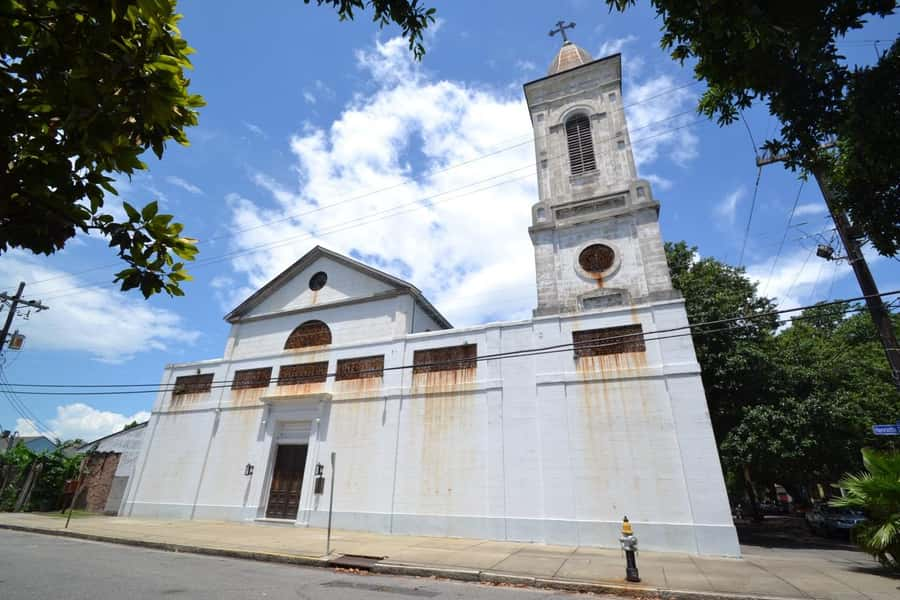
- Treme and the War of the Pews: Hear about the neighborhood and the conflict associated with St. Augustine’s Catholic Church.
- Two hours on foot: Wear comfortable shoes and dress for the weather. The Backstreet Cultural Museum is optional and its admission is extra.
From Backatown Coffee into Storyville
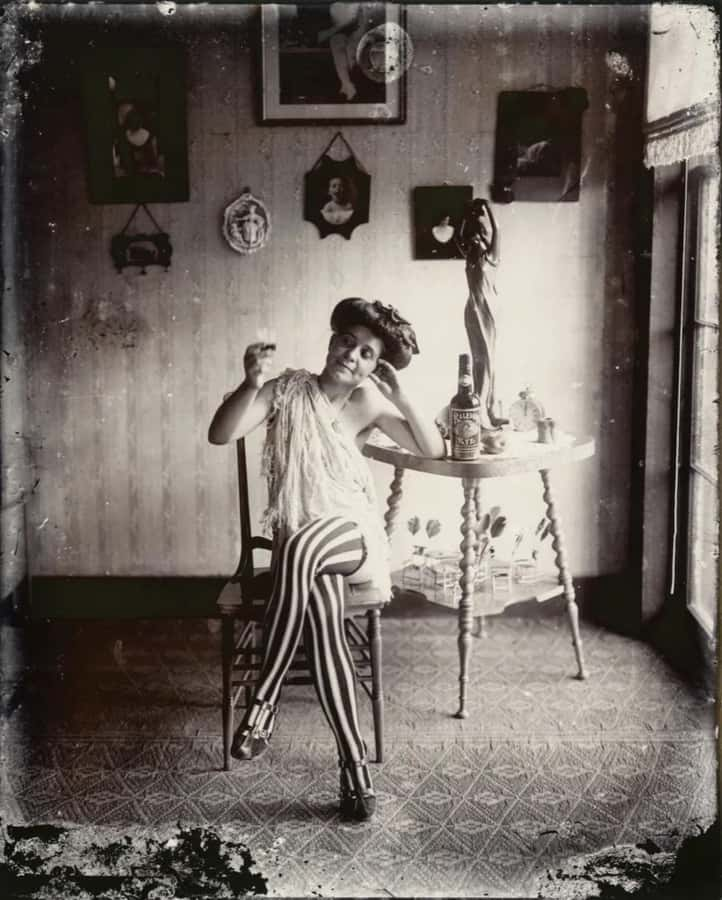
The tour begins at Backatown Coffee, in the area that was once Storyville. Starting here gives the guide a chance to introduce the district not as a vague legend, but as a real, bounded part of the city’s past. For roughly two decades, prostitution was decriminalized in Storyville, and its surviving buildings help make that history tangible.
The district’s connection to jazz is one of the route’s strongest threads. Musicians such as Jelly Roll Morton, King Oliver, and Sidney Bechet are part of the story, giving you a sense of how music grew within the social world of early twentieth-century New Orleans. The tour is not a music performance, but it can help you place jazz in a particular neighborhood and time.
You’ll also visit the former Iberville Housing Project, now called Bienville Basin Apartments. Here, the guide covers the project’s history alongside Storyville’s, then points out buildings that remain from the old district. The stop adds a useful modern layer: the neighborhood has changed, and the tour introduces the current New Urbanism trend in architecture as part of that change.
This is a walking tour, not an indoor museum visit, so much depends on the guide’s ability to connect what you see with what has disappeared. Bring questions. When the subject is prostitution, housing, and neighborhood change, the useful details are often in the contrasts between the past and the present.
More voodoo tours in New Orleans:
- New Orleans Premier Ghost, Voodoo and Vampire Walking Tour
★ 4.5 · 12,856 reviews - Adults-Only New Orleans Ghost, Crime, Voodoo, and Vampire Tour
★ 5.0 · 6,545 reviews - New Orleans Adults-Only Ghost, Voodoo and Vampire Tour
★ 5.0 · 3,291 reviews
Voodoo, Catholicism, and Marie Laveau
The tour then turns to Voodoo, with an emphasis on its West African religious roots and its connections with Roman Catholicism in slave-holding colonies. That context matters. Voodoo is often reduced to spooky props and sensational stories, but the tour’s stated aim is to explore its history, realities, and myths.
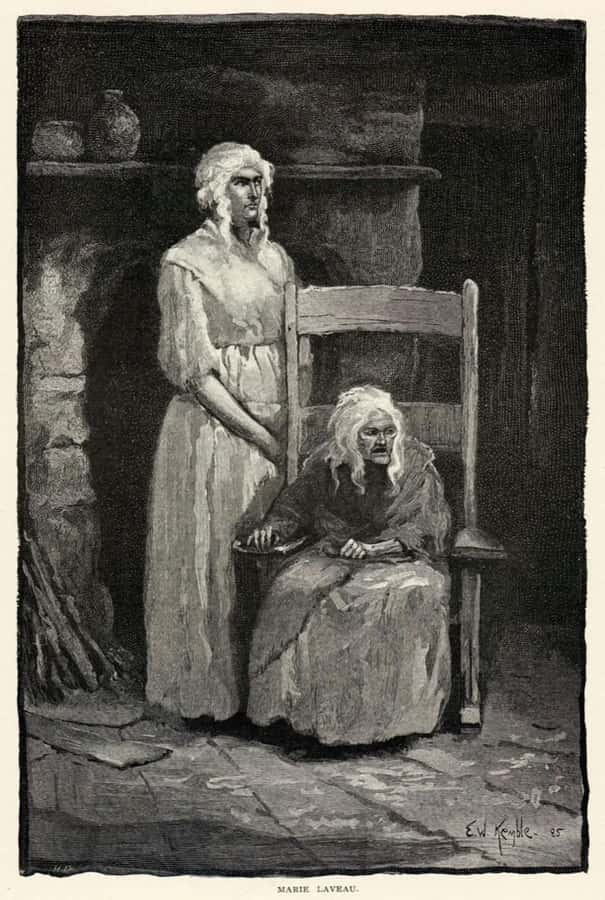
You’ll hear about Marie Laveau, the best-known Voodoo practitioner in the United States, and visit the site of her home. The guide sets out to distinguish what is known about her life from the stories that gathered around her reputation. That approach is valuable in a city where legend can be as persistent as the historical record.
Expect the stop to be interpretive rather than a visit inside a preserved home. The tour identifies the site and supplies context; it does not promise access to a private interior or a formal museum exhibit. If you’re especially interested in Laveau, this is a good moment to ask the guide which parts of her biography are well documented and which remain uncertain.
The subject also calls for respect. The tour discusses a living religious tradition as well as its past, so listen closely and avoid treating sacred practice as a Halloween attraction. Some sites may call for respectful behavior and attire, a sensible consideration throughout the route.
Basin Street Station and the wider story
Basin Street Station is one of the named stops, adding another point on the map as the tour moves between Storyville and Treme. The value here is less about a single landmark and more about how the guide uses places to connect different chapters of New Orleans history. You’ll be walking through neighborhoods where music, religion, and civic life overlap.
The tour also addresses the 1891 Parish Prison vendetta. It concerns the assassination of Sicilian convicts accused of murdering Police Chief Hennessy. This is a stark subject, and it broadens the route beyond jazz and Voodoo to include ethnic tensions and violence in the city’s past.
The stop is a reminder that a short tour cannot give every event equal time. You’ll get an introduction to the episode and its place in the city’s history, rather than a full study of the case. If the subject catches your interest, note the names and details the guide provides so you can follow up later.
Congo Square and Louis Armstrong Park
Congo Square and Louis Armstrong Park are central stops on the route. The tour links the square with African-American culture and the city’s wider cultural history, placing it alongside the nearby sites of Perseverance Hall and the Rabassa-de Pouilly House. The guide’s explanation is what makes these stops more than a walk through a park.
The route also includes the story of St. Augustine’s Catholic Church and the Tomb of the Unknown Slave. Here, you’ll hear about the War of the Pews, a conflict tied to the church. The tour’s attention to this episode gives the Treme section a social and religious dimension, rather than focusing only on architecture or famous names.
A park stop can be a welcome change of pace during a history-heavy walk, but remember that you’re still outdoors and on a schedule. You may want to save longer questions for a quieter moment, especially if the group needs to keep moving. The overall tour lasts two hours, so the guide has to balance explanation with distance.
More Treme tours in New Orleans:
- New Orleans Treme’ Walking Tour
★ 5.0 · 240 reviews - New Orleans: Tremé African American & Creole History Tour
★ 4.9 · 208 reviews - 60-minute Tremé Walking Tour & Photo Experience
★ 5.0 · 72 reviews - New Orleans Voodoo, Storyville, Treme, Walking Tour
★ 4.5 · 58 reviews
Treme, the museum option, and a little lagniappe
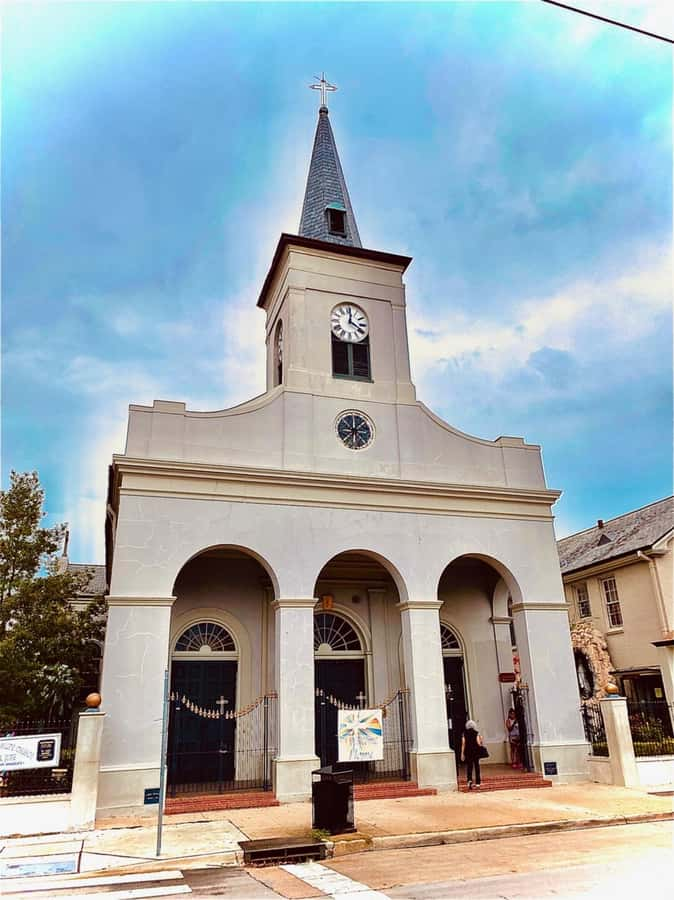
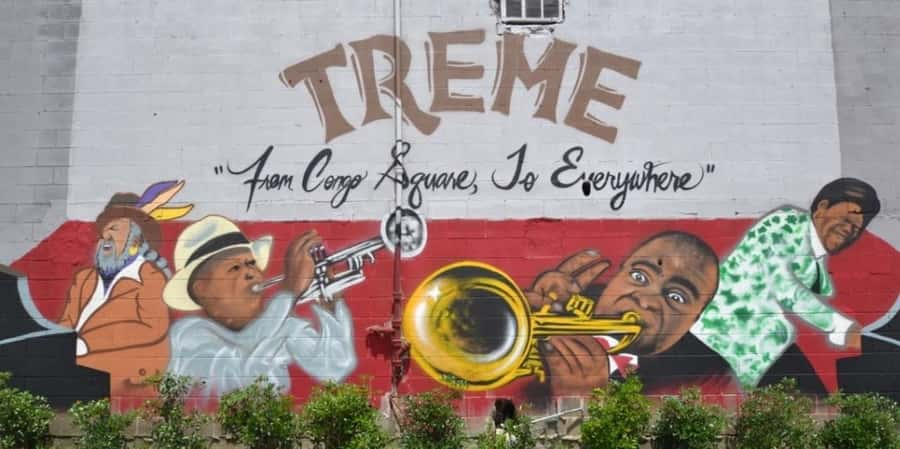
Treme is one of the neighborhoods that gives the tour its broader cultural frame. The route includes sites associated with the HBO series Treme, along with Our Lady of Guadalupe Church and the other stops already woven into the walk. The television connection is an extra point of reference, but the focus remains on the neighborhood’s history and culture.
The Backstreet Cultural Museum is an optional visit. It is dedicated to preserving Mardi Gras Indian and Second Line culture, and admission is not included in the $30 tour price. If you want to go inside, check the museum’s admission details and available time rather than assuming the two-hour walking tour covers entry.
The guide can also give you a brief description of historic aboveground St. Louis Cemetery if you ask. That small extra is a useful example of lagniappe, a bonus or extra gift. It is not presented as a full cemetery visit, so think of it as a short bit of context rather than another scheduled stop.
What $30 buys, and what it does not
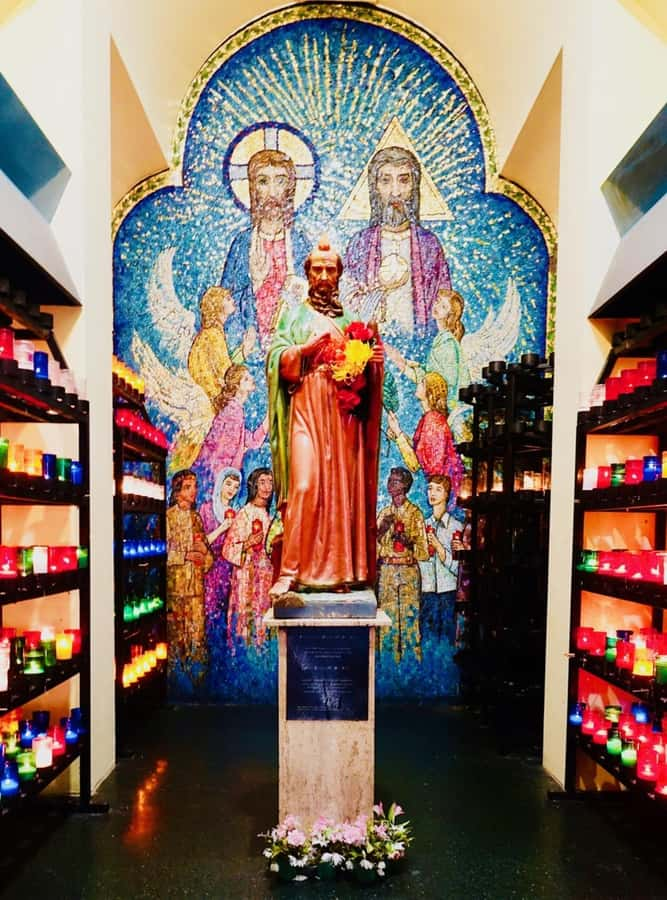
At $30 per person, the price covers a live English-speaking guide and a two-hour walking tour, including visits to the former Iberville Housing Project, Congo Square and Louis Armstrong Park, and the site of Marie Laveau’s home. You’re paying for local interpretation across several connected subjects, not for transport, food, drinks, or museum admission.
That can be good value if you want a guided introduction to parts of New Orleans that are easy to miss when you focus only on the French Quarter. The route brings together jazz, housing history, religion, Treme, and local cultural traditions in a compact walk. Its value depends heavily on the guide: the material is broad, and a clear explanation makes the difference between a list of sites and a coherent story.
There is a reason to be cautious about reliability. The available rating is 3.3 out of 5 from three ratings, a very small sample, and one January booking reported that the guide did not show up or cancel in advance. Another booking described the tour as very informative. Treat those details as a warning about uncertainty, not a prediction of what will happen to you. Confirm the meeting time and location with NOLA Historic Tours before you leave.
You can reserve now and pay later, and cancellation up to 24 hours in advance is eligible for a full refund. Those terms make planning more flexible, but they do not replace confirming that the tour is running on the day.
Walking, weather, and who will enjoy this tour
Wear comfortable walking shoes. The tour involves a significant amount of walking, and the schedule packs in multiple neighborhoods and historical subjects. Check the weather and dress accordingly; the experience is outdoors, and there is no transport included.
This tour suits you if you enjoy history told through specific places and want a guided introduction to Storyville, Voodoo, and Treme in one outing. It is especially useful if you’re curious about the relationship between African traditions and Catholicism, or want context for Congo Square and early jazz. You do not need to know the television series Treme to follow the route.
It may be less suitable if you prefer a slow, single-subject visit, need frequent breaks, or want to spend substantial time inside museums. The optional Backstreet Cultural Museum costs extra, and the cemetery information is brief and available upon request. With only two hours, the tour offers a sampler of several subjects rather than an exhaustive account of any one of them.
Should you book the Storyville and Treme walk?
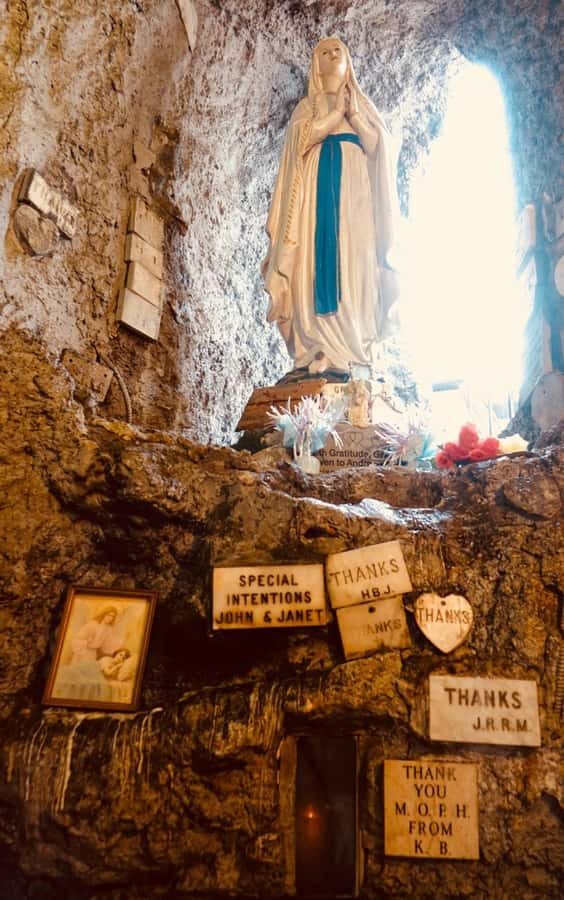
Book it if you want a compact, guided route through stories that link early jazz, Voodoo, Treme, and New Orleans’ African-American culture. The strongest reason to go is the range: you’ll visit Storyville’s surviving buildings, hear about Marie Laveau, and reach Congo Square and St. Augustine’s within one walk. At $30, that is a fair price for a guide-led introduction, provided the route and pace suit you.
Skip it if you want guaranteed museum entry, a leisurely pace, or a deep account of one topic. And because of the reported no-show, confirm the start details before you build the rest of your day around it. If the tour is operating and you’re ready for a brisk history walk, it can offer a useful first layer of context for New Orleans beyond its best-known tourist streets.
FAQ
How long is the tour?
The walking tour lasts two hours.
How much does it cost?
The listed price is $30 per person.
What language is the tour in?
The live guide speaks English.
Which main sites does the tour visit?
Stops include Storyville, the former Iberville Housing Project, Basin Street Station, Louis Armstrong Park and Congo Square, the site of Marie Laveau’s home, and St. Augustine’s Catholic Church.
Is admission to the Backstreet Cultural Museum included?
No. The museum visit is optional, and admission is not included.
What should I wear?
Wear comfortable walking shoes and dress for the weather. The tour involves a significant amount of walking, and some sites may call for respectful behavior and attire.
More walking tours in New Orleans
- New Orleans Food Walking Tour of the French Quarter with Small-Group Option
★ 5.0 · 6,118 reviews - St. Louis Cemetery No. 1 Official Walking Tour
★ 4.5 · 3,941 reviews - New Orleans French Quarter, Voodoo and Culture Walking Tour
★ 4.5 · 2,961 reviews - New Orleans Garden District History Walking Tour
★ 5.0 · 2,879 reviews
Newest tours in New Orleans
- New Orleans : Garden District Architecture Walking tour★ 4.8 · 5 reviews
- True Voodoo History of NOLA’s Congo Square with Local Guide★ 4.9 · 16 reviews
- From New Orleans: Whitney and Laura Guided Plantation Tour★ 4.9 · 20 reviews
- Ultimate Denver Day Out: Red Rocks, City Views & Ice Cream★ 5.0 · 7 reviews
- Witches Coven Walking Tour in New Orleans★ 5.0 · 49 reviews
- Treme Bar Crawl & Seafood Experience★ 4.2 · 7 reviews
- New Orleans Self-Guided Kayak Bayou Swamp Tour★ 5.0 · 9 reviews
- Whitney Plantation and Soul of New Orleans City Tour Combo★ 5.0 · 13 reviews
New Orleans Voodoo Tours, compared.
New Orleans Premier Ghost, Voodoo and Vampire Walking Tour
Read our review →
Adults-Only New Orleans Ghost, Crime, Voodoo, and Vampire Tour
Read our review →
New Orleans French Quarter, Voodoo and Culture Walking Tour
Read our review →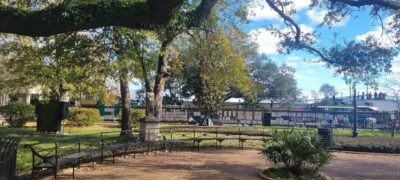
New Orleans Ghost, Vampire, Witch, Voodoo, and Mystery Tour
Read our review →
New Orleans Spirits & Spells: Witchcraft, Voodoo, and Ghost Tour
Read our review →
New Orleans Combo Tour: Voodoo, Vampire, and Ghost Tour
Read our review →Browse the lists this tour appears in