
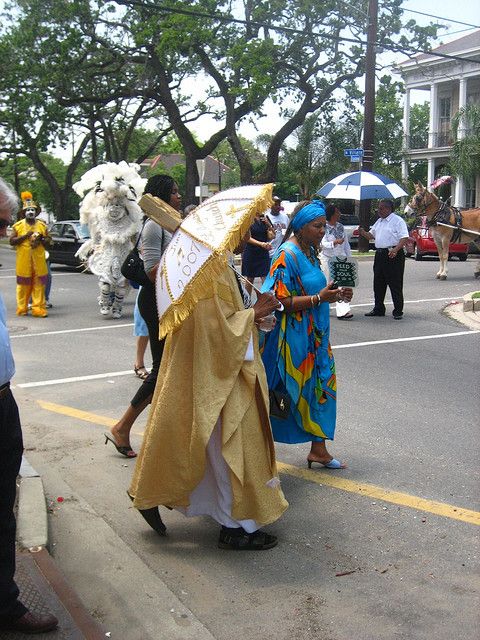
Reviewed · NEW ORLEANS TREME TOURS
New Orleans: Tremé African American & Creole History Tour
Tremé’s music is only the beginning. This 105-minute walk connects the neighborhood’s jazz roots to the African American and Creole history that shaped New Orleans, with stops at St. Augustine Church, the Tomb of the Unknown Slave, and sites tied to the HBO series Tremé.
I like two things in particular: a local historian leads the walk, and music helps explain how Tremé’s past still sounds in the city today. The tour also makes room for difficult history, including the lives of enslaved Africans, free people of color, and the rise of the civil rights movement.
One consideration: it is a walking tour, and it runs rain or shine. Wear comfortable shoes and bring sun protection. The guide and the pace can vary, and you may want to leave a little time after the stated 105 minutes rather than schedule your next activity too tightly.
- St. Augustine Church and the Tomb of the Unknown Slave bring the tour’s history into focus at meaningful neighborhood landmarks.
- Jazz and brass-band traditions link Tremé’s past to music you can still hear in New Orleans.
- Congo Square and Armstrong Park add context about the neighborhood’s cultural influence and what has changed.
- Jelly Roll Morton, Alphonse Picou, and Trombone Shorty are among the musicians with Tremé roots discussed on the walk.
- The Rock and Roll Hall of Fame laundromat is an unexpected stop with a memorable claim to fame.
- The $22 price buys a guided, history-focused walk, not food, drinks, or transportation.
Start at the French Quarter’s edge
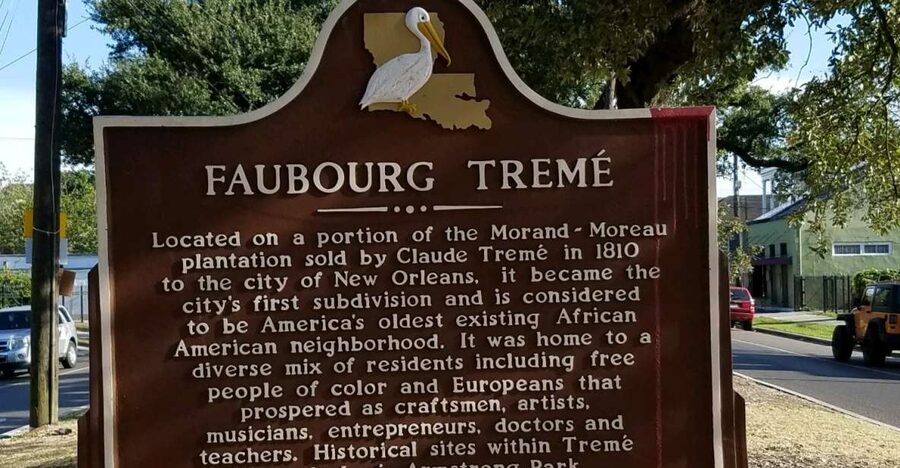
Meet inside the Voodoo Lounge at 718 N. Rampart Street, on the corner of North Rampart and Orleans streets. It is at the top of the French Quarter, so the starting point offers a useful transition: you leave the familiar Quarter behind and head toward Tremé on foot.
Check in at the box office inside the lounge to receive your wristband. Food and drinks are not included, so eat beforehand if you prefer not to walk on an empty stomach. The tour is in English and led by a licensed guide who is also a local historian.
Guide assignments vary. Names associated with past tours include Erin, Nika, Kweku, Angela, Eva, and others. There is no promise of a particular guide, but the accounts of this experience repeatedly point to the guide’s role as its main strength: expect a walk built around explanation, conversation, and local context, rather than a string of quick photo stops.
Read Tremé through its Black and Creole history
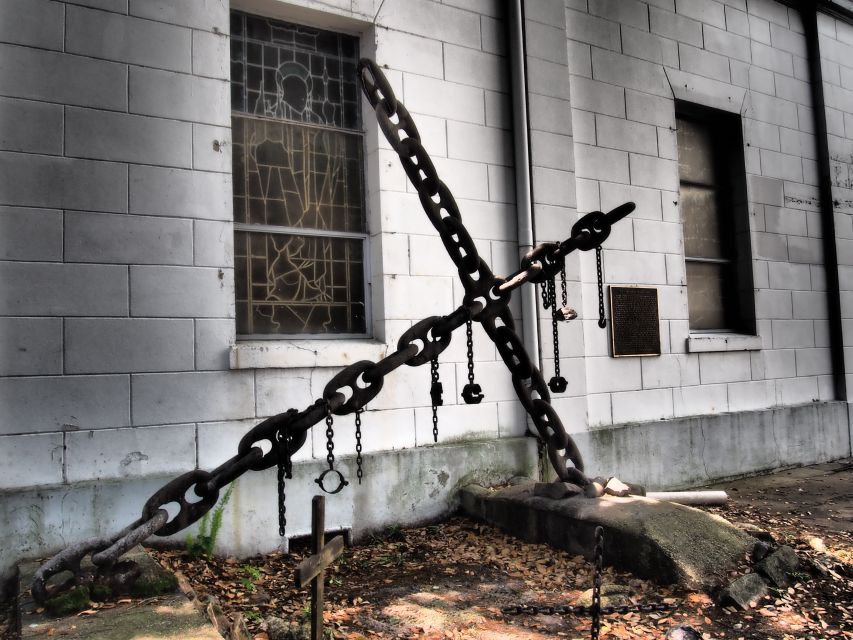
The key to this tour is its focus. It does not treat jazz as a pleasant soundtrack detached from the people who made it. Instead, the guide places New Orleans music alongside the history of enslaved Africans, free people of color, African Americans, and the community’s changing place in the city.
That context matters. A walk through Tremé can show you more than buildings and names. It can help you understand how the neighborhood’s people and culture shaped the city, even when parts of that history have been neglected or pushed aside. Guides have addressed difficult subjects directly, including the city’s efforts to bury aspects of its past.
Expect room for questions. The most useful moments may come when a guide connects a landmark to a larger subject, such as the civil rights movement or the history of segregation. One guide has also discussed Plessy v. Ferguson, showing how a neighborhood walk can connect familiar names from history books with local people and places.
This is not a light, purely musical stroll. Some of the history is painful. The tone described by guides on this tour is respectful and open, but you should come ready to listen and consider more than the postcard version of New Orleans.
More history tours in New Orleans:
- New Orleans Garden District History Walking Tour
★ 5.0 · 2,879 reviews - French Quarter Historical Sights and Stories Walking Tour
★ 5.0 · 2,724 reviews - New Orleans Small-Group Haunted History Carriage Tour
★ 4.5 · 2,289 reviews
St. Augustine Church and the Tomb of the Unknown Slave
St. Augustine Church is one of the tour’s named stops. Its place on the route offers a chance to consider the role of faith and community in Tremé’s history. The guide supplies the context; the value is not simply seeing a church, but hearing how a specific site fits into the lives and stories of the people who built the neighborhood.
The Tomb of the Unknown Slave gives the walk a more sobering point of focus. Its presence directs attention to people whose names and stories were not preserved in the same way as those of public figures. It is a place to pause and reflect, not just another landmark to pass while taking pictures.
The guide’s storytelling is especially important at stops like these. A monument or building cannot explain its own history, and a short label may leave out the wider story. A local historian can connect what you see to the history of Black New Orleans and respond when you want to ask more.
Congo Square, Armstrong Park, and what has been lost
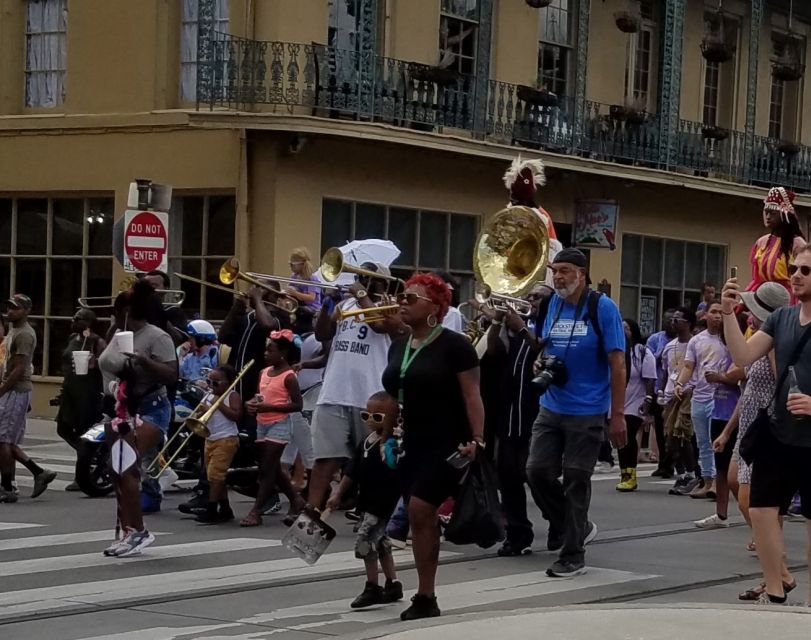
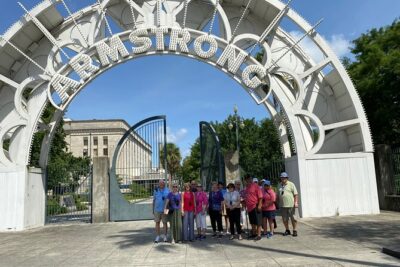
Congo Square and the area now included in Louis Armstrong Park help make the music story more concrete. Guides have used the space to discuss the origins and influence of music in New Orleans, and the relationship between Black history and the city’s musical traditions.
At one point on the route, a guide has shown historical images while standing near the former intersection of St. Claude and Dumaine. That kind of comparison can make change feel immediate: you are not only hearing that the neighborhood has changed, but seeing evidence of what once stood there. The area’s past includes a razed neighborhood now incorporated into Louis Armstrong Park, a detail that may shift how you read the park and its setting.
Congo Square is also a useful place to connect the tour’s subjects. The story moves between people, public spaces, and music, rather than treating jazz as something that appeared on its own. If you are interested in how cultural traditions develop and endure, this section is likely to be one of the most affecting parts of the walk.
The exact experience can vary. A special look inside Perseverance Hall, for example, has been part of one outing, but you should not count on access to a particular building or an event taking place on your date. The core value is the guide’s interpretation of the places you visit.
Jazz names, brass bands, and music along the way
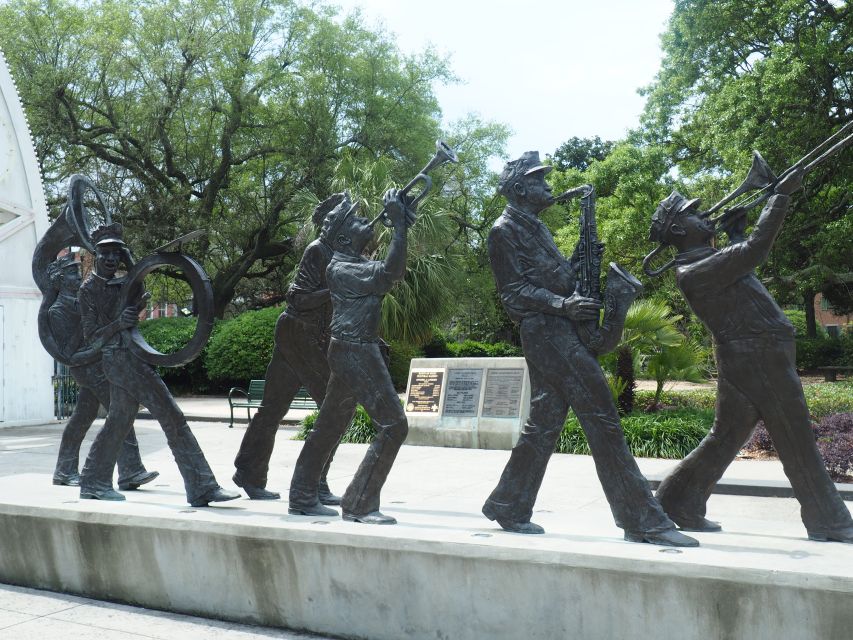
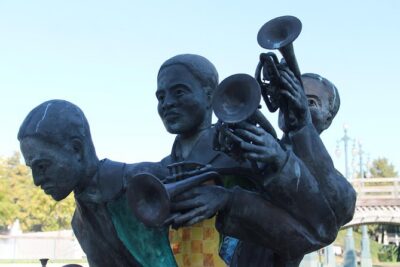
Tremé is presented as a birthplace of New Orleans jazz and a center of Creole culture. The tour names musicians including Jelly Roll Morton, Alphonse Picou, and Trombone Shorty, giving you recognizable people to connect with the neighborhood’s musical history.
The guide may use music to set up a story. Past outings have included selections played during the walk, introducing a subject before the guide explains its background. That small touch can help you hear the links between musical traditions, rather than receiving a list of dates and names.
The discussion also reaches the modern brass-band tradition. This matters because Tremé is not framed as a place whose cultural life ended in the past. The neighborhood remains home to musicians, artists, and craftspeople who contribute to its continuing story. You get a sense of music as both heritage and living practice.
You should not expect a concert or a music lesson. This is a history walk, and the music supports the interpretation. If you want a full evening of live jazz, make separate plans for that. If you want to understand why music is so central to New Orleans, this tour gives you useful ground to stand on.
More Treme tours in New Orleans:
- New Orleans Treme’ Walking Tour
★ 5.0 · 240 reviews - 60-minute Tremé Walking Tour & Photo Experience
★ 5.0 · 72 reviews - New Orleans Voodoo, Storyville, Treme, Walking Tour
★ 4.5 · 58 reviews - Private French Quarter and Treme Walking Tour
★ 5.0 · 29 reviews
The laundromat and the Tremé television locations
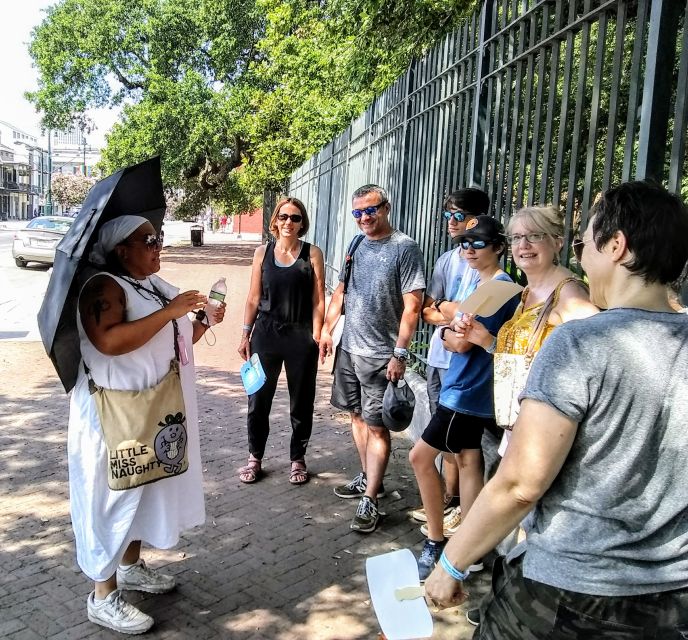
One of the tour’s more surprising stops is the only laundromat said to have made it into the Rock and Roll Hall of Fame. It is a wonderfully odd detail, and a reminder that neighborhood history does not always come wrapped in grand architecture. Everyday places can carry stories, too.
You will also see locations connected to the HBO series Tremé. These references add a pop-culture layer, especially if you have watched the show, but they are not the main attraction. The stronger reason to take the tour is the real neighborhood and the history behind it.
The balance is helpful. Television can give you a visual reference, while the guide can distinguish the show’s setting from the lives and history of the people who live in Tremé. Treat the filming locations as an extra, not the whole itinerary.
What $22 buys, and what it does not
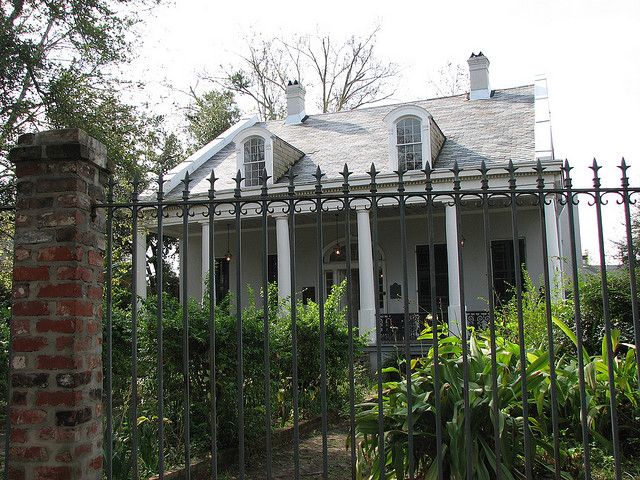
At $22 per person, this is a good-value choice if you want more than a casual walk through the neighborhood. The price includes a licensed local historian and a guided experience lasting 105 minutes. You are paying for interpretation: the connections between landmarks, Black and Creole history, civil rights, and music are the reason to go.
Food and beverages are not included. A stop at a coffee shop has been part of some outings, but it is not listed as a guaranteed feature, so bring money if you hope to buy something along the way. Do not build your plans around a particular café or drink stop.
The tour is wheelchair accessible. It operates rain or shine, so check the forecast and dress for the conditions. Comfortable walking shoes are recommended, and sun protection is sensible in warm weather. Large bags and luggage are not allowed.
The stated duration is 105 minutes, but it is wise not to book another activity immediately afterward. Some outings have run longer, especially when questions and discussion take time. You can reserve now and pay later, and cancellation up to 24 hours in advance allows a full refund.
Who should book the Tremé walk
I would choose this tour early in a New Orleans visit if you want a stronger grasp of the city beyond the French Quarter. It works especially well for people interested in African American history, Creole culture, jazz, brass bands, or the local context behind the civil rights movement.
It is also a good fit if you like asking questions and learning from a guide rather than moving quickly from one photo stop to the next. The walk’s most praised quality is the guide’s ability to explain complex history in an approachable way, while keeping the experience personal and engaging. Guide names change, so book for the subject and format, not a promise to meet a specific person.
Consider another option if you do not want to walk for about two hours, prefer a tour focused mainly on food or nightlife, or need a fixed end time. The subject matter can be emotionally weighty, and the weather may be hot, cold, or wet. That is part of the practical trade-off.
For $22, the tour offers a thoughtful introduction to a neighborhood whose influence reaches far beyond its streets. Book it if you want to hear how Tremé’s people, landmarks, and music connect. Bring comfortable shoes, leave room for questions, and give yourself a little breathing space afterward.
FAQ
How long is the Tremé history tour?
The tour lasts 105 minutes. It is a walking tour, and you may want to avoid scheduling another activity immediately afterward.
How much does the tour cost?
The price is $22 per person.
Where is the meeting point?
Meet inside the Voodoo Lounge at 718 N. Rampart Street, on the corner of North Rampart and Orleans streets, at the top of the French Quarter. Check in at the box office for your wristband.
What landmarks does the tour visit?
The tour includes St. Augustine Church and the Tomb of the Unknown Slave. It also explores Tremé’s music history and locations connected to the HBO series Tremé.
Is the tour available in English?
Yes. The live tour guide speaks English.
Is the tour wheelchair accessible?
Yes, the tour is listed as wheelchair accessible.
What should I bring?
Wear comfortable walking shoes and bring sun protection. The tour operates rain or shine, so dress for the weather.
Are food and drinks included?
No. Food and beverages are not included. You may want to bring money in case you choose to buy something during the outing.
Can I cancel my booking?
Yes. You can cancel up to 24 hours in advance for a full refund. You can also reserve now and pay later.
Newest tours in New Orleans
- New Orleans : Garden District Architecture Walking tour★ 4.8 · 5 reviews
- Ultimate Denver Day Out: Red Rocks, City Views & Ice Cream★ 5.0 · 7 reviews
- True Voodoo History of NOLA’s Congo Square with Local Guide★ 4.9 · 16 reviews
- From New Orleans: Whitney and Laura Guided Plantation Tour★ 4.9 · 20 reviews
- Witches Coven Walking Tour in New Orleans★ 5.0 · 49 reviews
- Treme Bar Crawl & Seafood Experience★ 4.2 · 7 reviews
- New Orleans Self-Guided Kayak Bayou Swamp Tour★ 5.0 · 9 reviews
- Whitney Plantation and Soul of New Orleans City Tour Combo★ 5.0 · 13 reviews
New Orleans Treme Tours, compared.


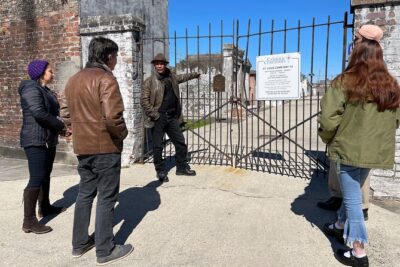
New Orleans Voodoo, Storyville, Treme, Walking Tour
Read our review →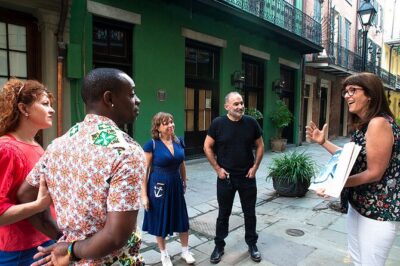
Walking the Tremé: A Self-guided Audio Tour of New Orleans
Read our review →
New Orleans Driving Tour with Bayou St. John, City Park, Treme
Read our review →
Browse the lists this tour appears in