
Reviewed · NEW ORLEANS TREME TOURS
60-minute Tremé Walking Tour & Photo Experience
Tremé offers a different kind of New Orleans walk: one focused on a historic Black neighborhood, the people who shaped its culture, and the choices that changed its streets. With local guide Hollis, you’ll visit places most visitors miss, then finish among the costumes and traditions of Mardi Gras.
I like two things in particular: the private format, which gives your group room to ask questions, and the personal perspective Hollis brings to local history. Photo help is part of the experience, and you may also hear documentary audio or get suggestions for local food stops.
One consideration: the advertised 60-minute tour is listed as lasting about an hour to 90 minutes, and the museum’s posted Tuesday hours may not fit every departure time. Check the timing before booking, especially if seeing the museum is important to you.
Key points before you book
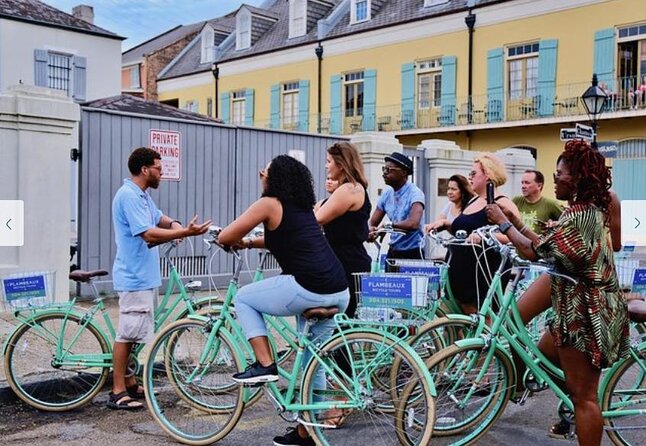
- A private walk through Tremé: Only your group participates, with a local guide.
- History beyond the usual route: Stops cover Storyville, Charity Hospital, and the effects of Interstate 10 on North Claiborne Avenue.
- Photo assistance included: Hollis can help you take pictures along the way.
- A Mardi Gras finish: The final stop is the Mardi Gras Museum of Costumes and Culture, with admission included.
- A low listed price: The tour costs $15 per person, though some stops do not include admission.
- Weather can change plans: Poor weather may mean a new date or a full refund.
A different route through Tremé
This is a short tour with a broad subject: how New Orleans history, Black community life, music, public policy, and Mardi Gras traditions meet in and around Tremé. Rather than spend the hour on the French Quarter’s best-known sights, you’ll visit places tied to stories that can be easy to miss if you stick to the standard visitor circuit.
The tour is private, so you won’t be placed in a group of strangers. That matters on a walk built around questions and conversation. If you want to ask how a neighborhood changed, what a building’s past was, or where to find local food, you can take the discussion at your group’s pace.
Hollis is identified as the local guide. The experience is especially suited to people who want a Black New Orleans perspective on the city’s past and present, rather than a quick run through familiar highlights. The route also has a photo component, so bring a phone or camera if you want help framing pictures.
More Treme tours in New Orleans:
- New Orleans Treme’ Walking Tour
★ 5.0 · 240 reviews - New Orleans: Tremé African American & Creole History Tour
★ 4.9 · 208 reviews - New Orleans Voodoo, Storyville, Treme, Walking Tour
★ 4.5 · 58 reviews
Starting near Basin Street and old Storyville
The walk begins at 301 Basin Street, near Backatown Coffee Parlour. The café sits at the site of old Storyville, New Orleans’ former red-light district, established by city ordinance in 1897 and closed in 1917. The tour uses that setting to introduce a district shaped by efforts to regulate prostitution.
Backatown’s description emphasizes its role as a gathering place for conversation and neighborhood life. The historical frame also reaches into the city’s music story: Jelly Roll Morton, Louis Armstrong, and King Oliver are named as artists whose sounds evoke the era. Treat this first stop as an introduction to the place and its associations, not a promise that live music or a café visit is part of the tour.
The stop is scheduled for about 10 minutes. Admission is not included, so don’t assume the tour price covers a coffee or any other purchase. You can still get useful context from the location itself and Hollis’s explanation, even if you keep the stop brief.
Storyville’s complicated legacy
Storyville was created under a municipal ordinance, with city alderman Sidney Story writing rules intended to control prostitution. That policy gives the tour a chance to look at how New Orleans authorities tried to manage a part of city life by drawing boundaries and setting regulations.
You’ll spend about 10 minutes on this stop. It’s a compact introduction, not a full history seminar, so ask Hollis what you’re curious about while you have the chance. The meeting point is already on Basin Street, making this an efficient way to connect the neighborhood’s geography with the story of Storyville.
The stop has no admission ticket included. The details provided don’t specify an entrance fee or a ticketed attraction here, so think of it as a place-based history stop rather than a museum visit.
Charity Hospital and the cost of a changed city
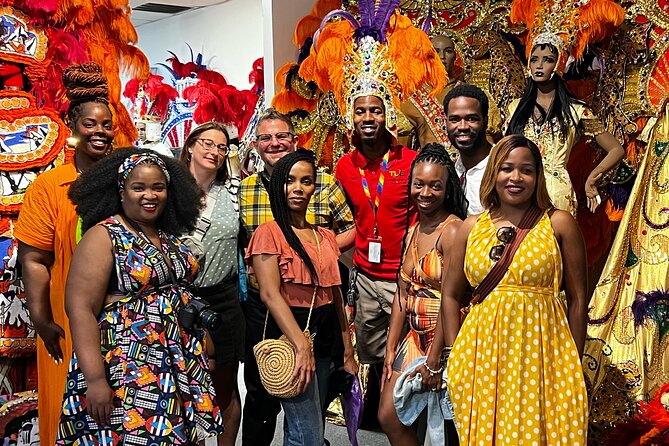
The Charity Hospital stop turns attention to a major institution and the lasting consequences of Hurricane Katrina. Charity was one of two teaching hospitals within the Medical Center of Louisiana at New Orleans, alongside University Hospital. Three weeks after the storm, Governor Kathleen Blanco said Charity would not reopen as a functioning hospital.
The hospital’s future was then reshaped: the Louisiana State University System, which owns the building, chose not to reopen it in its original location. The replacement medical center was built in Lower Mid-City and completed in August 2015 as University Medical Center New Orleans. That sequence gives you a concrete example of how a disaster can lead to decisions that outlast the emergency itself.
The tour assigns about 10 minutes to this stop, which is enough to introduce the story but not to explore every consequence. The stop is listed as free. The supplied information does not clarify exactly which parts of the former hospital site you’ll see, so focus on the historical explanation rather than expecting a building tour.
More walking tours in New Orleans:
- New Orleans Premier Ghost, Voodoo and Vampire Walking Tour
★ 4.5 · 12,856 reviews - New Orleans Food Walking Tour of the French Quarter with Small-Group Option
★ 5.0 · 6,118 reviews - St. Louis Cemetery No. 1 Official Walking Tour
★ 4.5 · 3,941 reviews - New Orleans French Quarter, Voodoo and Culture Walking Tour
★ 4.5 · 2,961 reviews
North Claiborne Avenue and the Interstate 10 debate
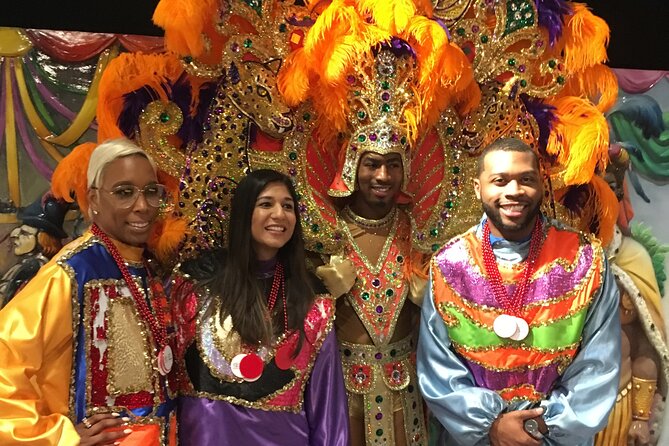
In Tremé, Interstate 10 runs above North Claiborne Avenue. The highway has long been criticized for dividing the neighborhood and taking homes, businesses, and a corridor of oak trees when it was built more than half a century ago. This stop brings the tour into a subject that is still tied to how residents imagine the future of their community.
For decades, people have considered removing the highway or closing it to traffic to help restore the area. Federal infrastructure funding has been set aside to help neighborhoods such as Tremé. That context makes the stop more than a look at road construction: it asks what a city owes a community after a major public project has changed its streets.
About 10 minutes are set aside here. If you’re interested in city planning, neighborhood preservation, or the effects of highway construction, this may be one of the tour’s most thought-provoking pauses. It’s also a reminder that a walking tour can tell you about the present, not just the past.
Mardi Gras costumes and neighborhood traditions
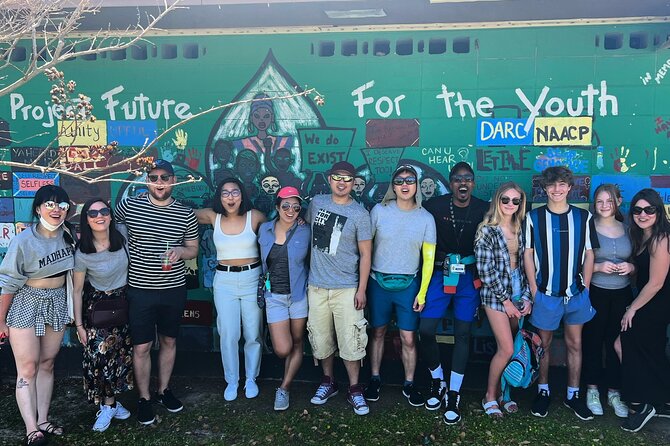
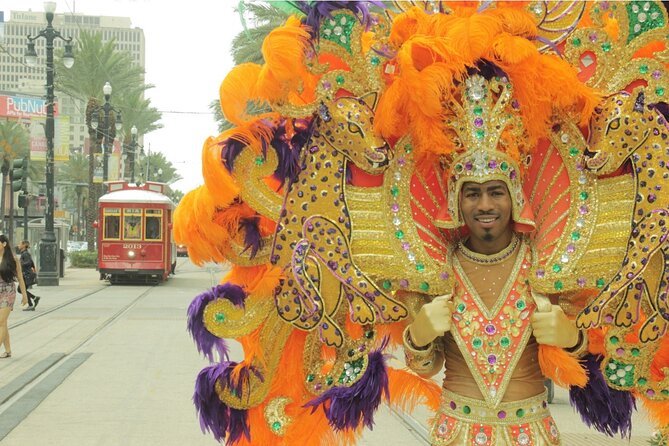
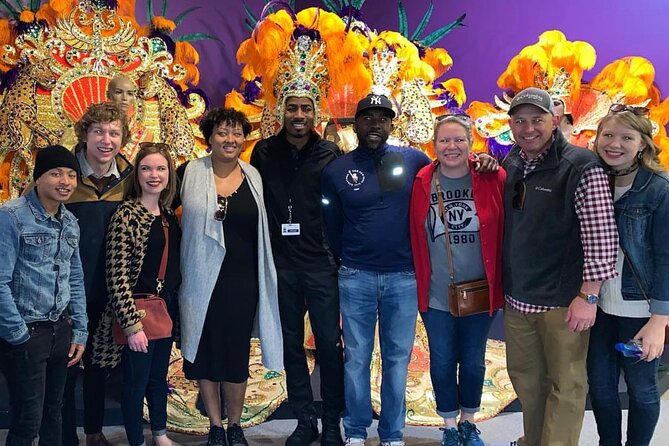
The final stop is the Mardi Gras Museum of Costumes and Culture, where you’ll spend about 20 minutes. Admission is included. The museum presents Mardi Gras as a set of grassroots traditions, with costumes and pageantry that show how much creativity goes into celebrations beyond the best-known parade scenes.
This is a useful finish because it shifts from city policy and institutional history to the cultural practices people keep making and sharing. The museum is described as a contemporary celebration of Mardi Gras traditions, so expect a focus on costumes and culture rather than a general museum covering every part of New Orleans history.
The museum’s listed hours are Tuesdays from 8:00 to 10:00 a.m. and 6:30 to 8:00 p.m., for the date range provided through March 5, 2027. Those hours are narrow, so check that your tour time lines up if the museum is a priority. The tour ends at 1010 Conti Street, the museum’s stated address.
What $15 gets you
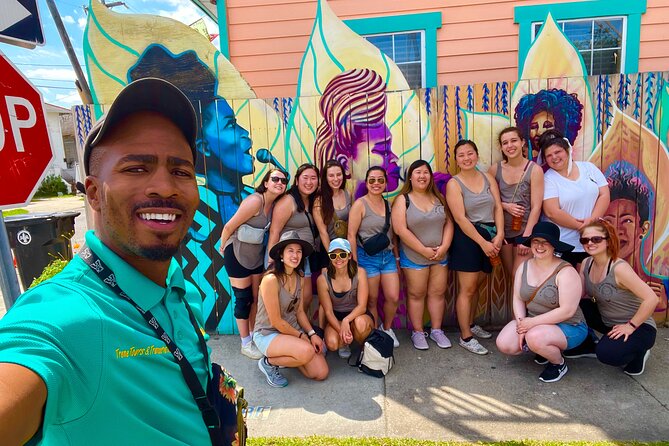
At $15 per person, the price is modest for a private, guided experience with photo assistance and a museum admission included. The value is less about covering a long distance or seeing a large number of attractions. It comes from having a local guide connect several specific sites and subjects in a compact walk.
A private tour can be particularly worthwhile if your group likes to ask questions or wants a more personal account. Hollis’s approach is described as drawing on documentary audio and offering local food suggestions. Those elements can add texture to the walk, but they’re not a substitute for checking the route and timing if you have a particular interest.
Pay attention to what is and isn’t included. Admission is not included at Backatown Coffee Parlour or the Storyville stop, while the Charity Hospital stop is listed as free and the Mardi Gras Museum admission is included. The information doesn’t say that you must buy anything at Backatown, so budget for a purchase only if you want one.
The tour is commonly booked about eight days ahead. That’s a useful planning clue, not a guarantee that a particular date will be available. The ticket is mobile, and the tour is offered in English.
Timing, weather, and who should choose it
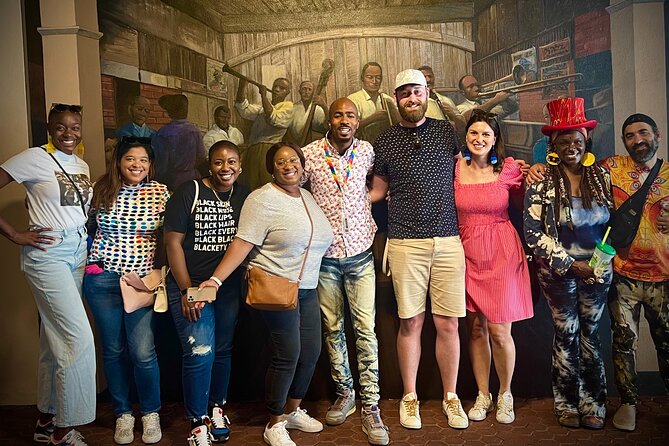
The title calls this a 60-minute tour, while the estimated duration is one hour to 90 minutes. The listed stops add up to about 60 minutes, including the longer museum visit. Time moving between stops or talking with Hollis may account for the wider estimate, but the exact walking distance and pace are not specified.
The tour requires good weather. If poor weather forces a cancellation, you’ll be offered another date or a full refund. If you cancel or ask to change the booking yourself, the experience is non-refundable and cannot be changed, so make sure your schedule is firm before you pay.
The activity is near public transportation, and most people can participate. No specific accessibility details are provided, so contact the operator if you have questions about walking or other access needs. The meeting point is 301 Basin Street, and the endpoint is 1010 Conti Street.
I’d choose this tour if you want a short, private introduction to Tremé and value a local point of view over a long list of landmarks. It should suit visitors curious about Black New Orleans history, neighborhood change, music, or Mardi Gras culture. If you mainly want a broad city overview, a longer tour may be a better fit.
Should you book the Tremé walk?
Book it if you want to spend an hour or so looking beyond the usual tourist route, with Hollis guiding your group through connected stories about Storyville, Charity Hospital, Tremé, and Mardi Gras. The private format, photo help, and included museum admission add practical value at $15 per person.
Pause before booking if your schedule is tight, you need a firm 60-minute end time, or the museum’s limited listed hours do not match your plans. Confirm the start time and museum visit details, then go ready to ask questions. This is a focused neighborhood walk, and that focus is its main strength.
FAQ
How much does the tour cost?
The listed price is $15 per person.
How long does the tour take?
The estimated duration is one hour to one hour and 30 minutes. The title refers to a 60-minute tour.
Is the tour private?
Yes. Only your group participates.
Where does the tour start?
It starts at 301 Basin Street, New Orleans, Louisiana 70112.
Where does the tour end?
It ends at 1010 Conti Street, New Orleans, Louisiana 70112, at the Mardi Gras Museum of Costumes and Culture.
What language is the tour offered in?
The tour is offered in English.
Is admission to the Mardi Gras Museum included?
Yes. Admission to the museum is included.
Are tickets or admission included at every stop?
No. Admission is not included at Backatown Coffee Parlour or the Storyville stop. The Charity Hospital stop is listed as free, and the Mardi Gras Museum admission is included.
What happens if poor weather cancels the tour?
You’ll be offered a different date or a full refund if the tour is canceled due to poor weather.
Can I get a refund if I cancel or request a change?
No. The experience is non-refundable and cannot be changed if you cancel or request an amendment.
Newest tours in New Orleans
- New Orleans : Garden District Architecture Walking tour★ 4.8 · 5 reviews
- Ultimate Denver Day Out: Red Rocks, City Views & Ice Cream★ 5.0 · 7 reviews
- True Voodoo History of NOLA’s Congo Square with Local Guide★ 4.9 · 16 reviews
- From New Orleans: Whitney and Laura Guided Plantation Tour★ 4.9 · 20 reviews
- Witches Coven Walking Tour in New Orleans★ 5.0 · 49 reviews
- Treme Bar Crawl & Seafood Experience★ 4.2 · 7 reviews
- New Orleans Self-Guided Kayak Bayou Swamp Tour★ 5.0 · 9 reviews
- Whitney Plantation and Soul of New Orleans City Tour Combo★ 5.0 · 13 reviews
New Orleans Treme Tours, compared.

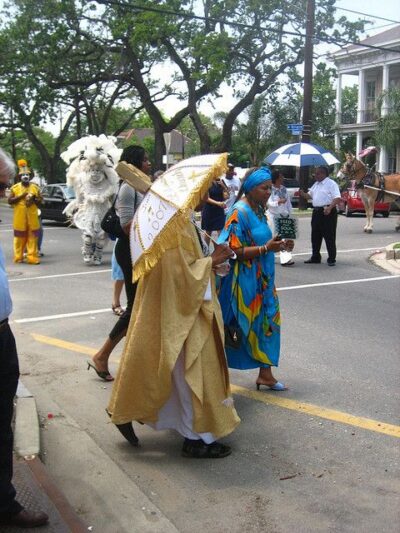
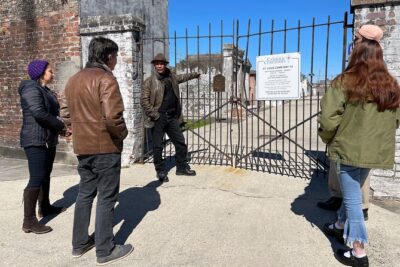
New Orleans Voodoo, Storyville, Treme, Walking Tour
Read our review →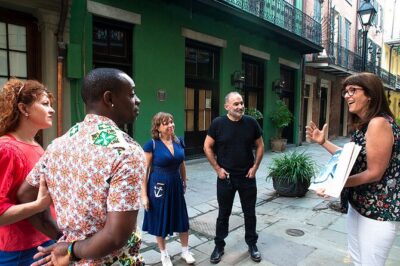
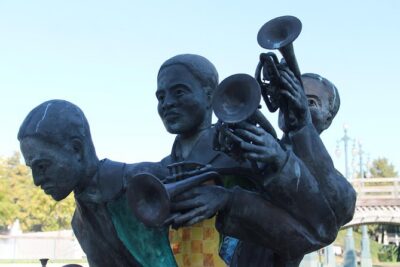
Walking the Tremé: A Self-guided Audio Tour of New Orleans
Read our review →
New Orleans Driving Tour with Bayou St. John, City Park, Treme
Read our review →
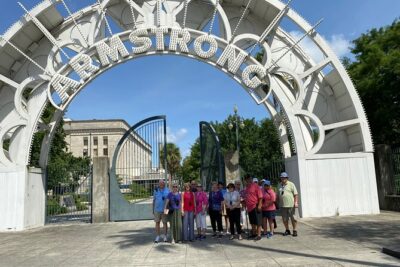
Browse the lists this tour appears in