

Reviewed · NEW ORLEANS TREME TOURS
New Orleans Treme’ Walking Tour
Treme’s story is bigger than jazz. On this 1-hour-45-minute walk, you’ll hear how Black life, music, faith, and public gathering shaped New Orleans, with stops that include Congo Square, St. Augustine’s Church, and the Tomb of the Unknown Slave. The route begins at Voodoo Lounge on North Rampart Street and stays close to the city’s historic core.
I like the small group, capped at 14, which gives you room to ask questions, and the way guides such as Nika, Erin, Kwaku, and Pepe have used music to make the history more tangible. One thing to know: the walk may spend much of its time in Armstrong Park, so if you expect to cover many residential blocks of Treme, the route may feel more park-centered than you hoped.
What to know before you go
- Congo Square connects music and history: Learn about the gatherings of enslaved and free people of color that helped shape New Orleans music.
- Storyville offers useful context: Hear about the former red-light district and its links to early jazz musicians and venues.
- Guides often use music clips: Songs can help connect a place or person to the city’s musical traditions.
- The park may take up much of the walk: One account found the tour spent its first hour around Armstrong Park, with limited time on Treme’s residential streets.
- It costs $20.50 for about 105 minutes: That is a reasonable price for a guided history walk, especially if you value context over a long list of attractions.
- Wear comfortable shoes: The tour runs rain or shine, and you’ll be on foot.
Start at the edge of Treme
Meet at Voodoo Lounge, 718 North Rampart Street, at 10:30 a.m. The walk returns to this same meeting point, so you won’t need to arrange a ride back from another part of town. The tour is offered in English, and your professional guide is included in the $20.50 price.
The group limit of 14 is a practical plus. A smaller crowd makes it easier to hear stories, ask a follow-up question, and keep the walk feeling like a conversation rather than a lecture delivered to a moving crowd. Guides named in accounts of the tour include Nika, Erin, Claire, Kwaku, Kweku, and Pepe. Names and guides vary by date, of course, but the strongest accounts describe guides who use clear storytelling, answer questions, and connect the past to the present.
Plan for roughly 1 hour and 45 minutes. That is enough time to cover several important sites without turning the outing into a half-day commitment. It is also long enough that heat or rain can matter. The tour runs in all weather, so bring water and dress for the forecast. You may bring a camera, but videotaping is not allowed.
More Treme tours in New Orleans:
- New Orleans: Tremé African American & Creole History Tour
★ 4.9 · 208 reviews - 60-minute Tremé Walking Tour & Photo Experience
★ 5.0 · 72 reviews - New Orleans Voodoo, Storyville, Treme, Walking Tour
★ 4.5 · 58 reviews
Armstrong Park sets the scene
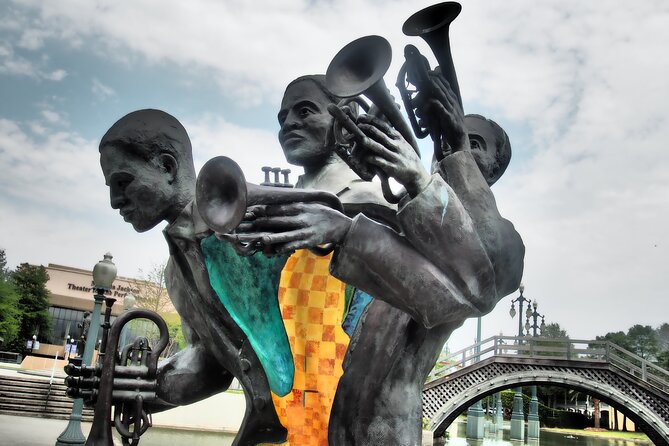
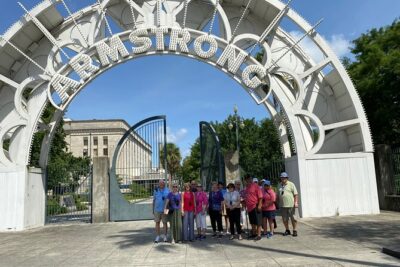
The tour includes general Treme history around its starting area, and many accounts describe a substantial stretch in Armstrong Park. That matters because the park is not simply a green pause between attractions. Its grounds include Congo Square, a place where enslaved and free people of color gathered for meetings, markets, and music and dance traditions.
A guide can help you understand why that history carries weight beyond the park itself. The gatherings at Congo Square played a role in the development of jazz, but the point is not to reduce a long cultural story to one neat origin tale. The tour’s strongest approach is to set music within the lives and experiences of the people who made it.
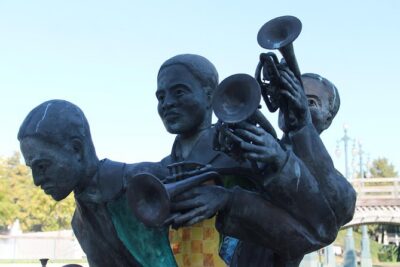
This is also where the route may not match every expectation. One family found that the first hour was mostly around park statues, with only a block or two of Treme’s residential streets afterward. Other accounts describe walking through the neighborhood and seeing its colorful homes. Routes and the time spent at each stop may vary, so book this as a history-focused walk that includes Treme, not as a guaranteed street-by-street neighborhood tour.
Congo Square makes the music personal
Congo Square is the tour’s central stop for understanding the relationship between public gathering, African cultural traditions, and New Orleans music. In the 19th century, enslaved and free people of color met here for markets, social connection, drumming, and dance. Those traditions contributed to the city’s musical development, including the culture from which jazz emerged.
I like having a guide explain this history on the spot. A place can look quiet in the present, and a short explanation can help you picture its former role without pretending that the past was simple or painless. Several guides have used music clips during the walk, including Nika and Kwaku, to link a story to the sound itself. That can make the history easier to follow, especially if you know New Orleans music mainly from clubs and recordings.
The listed visit is about 15 minutes. That is enough for an introduction and a few questions, but not a long independent visit. If Congo Square is a major reason you are booking, listen closely and take your own time to look around while the group is there.
St. Augustine’s Church and the Tomb of the Unknown Slave
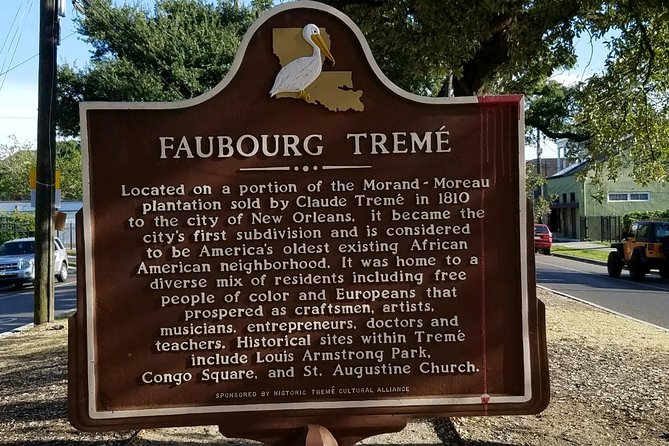
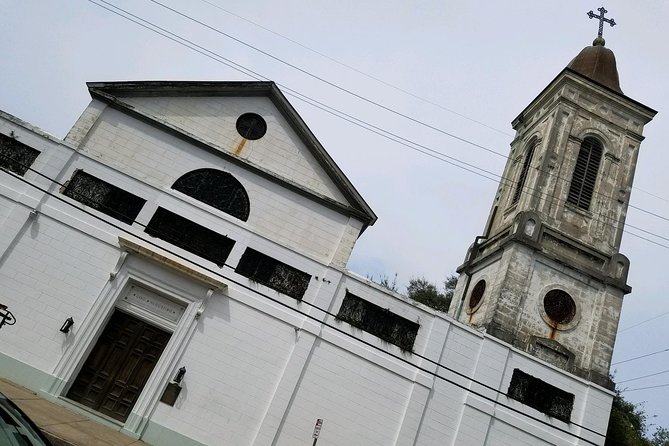
The Treme portion includes historic sites such as St. Augustine’s Church and the Tomb of the Unknown Slave. These stops add a religious and memorial dimension to the walk, alongside its focus on music. The tour’s value lies partly in making clear that Treme’s cultural story is also a story of Black community, faith, loss, and persistence.
The Tomb of the Unknown Slave is a particularly sobering stop. One participant singled it out as the most memorable part of the experience, and it is easy to see why a memorial can anchor a broad discussion in something direct and human. Guides have also spoken about Black history and the civil rights movement, so expect the walk to address difficult subjects rather than keep everything light.
That balance is worth considering before you book. This is not only a cheerful music tour. Some of the history may make you sad or angry, and that is part of what makes the experience more useful than a collection of entertaining anecdotes. The guide sets the pace, but you can ask questions and engage with the subject as much as you like.
More walking tours in New Orleans:
- New Orleans Premier Ghost, Voodoo and Vampire Walking Tour
★ 4.5 · 12,856 reviews - New Orleans Food Walking Tour of the French Quarter with Small-Group Option
★ 5.0 · 6,118 reviews - St. Louis Cemetery No. 1 Official Walking Tour
★ 4.5 · 3,941 reviews - New Orleans French Quarter, Voodoo and Culture Walking Tour
★ 4.5 · 2,961 reviews
Storyville and jazz’s complicated beginnings
The tour also covers Storyville, the former red-light district that operated from 1897 to 1917. The district included brothels, bars, and dance halls, places where musicians performed and socialized. It became closely associated with the early development of New Orleans-style jazz.
There is an important wrinkle here. Early historians sometimes romanticized Storyville as the birthplace of jazz, a tidy claim that can overstate one neighborhood’s role in a much broader musical history. A better way to understand the stop is as a look at one setting where musicians worked, met, and played, not as the single source of a genre.
The planned stop is about 15 minutes, with no separate admission charge. This section gives you helpful context for the city’s nightlife and music culture, but it is not a visit to a preserved entertainment district. The value is in the guide’s explanation, not in expecting a row of period venues to remain intact.
A recording studio, a laundry, and local music landmarks
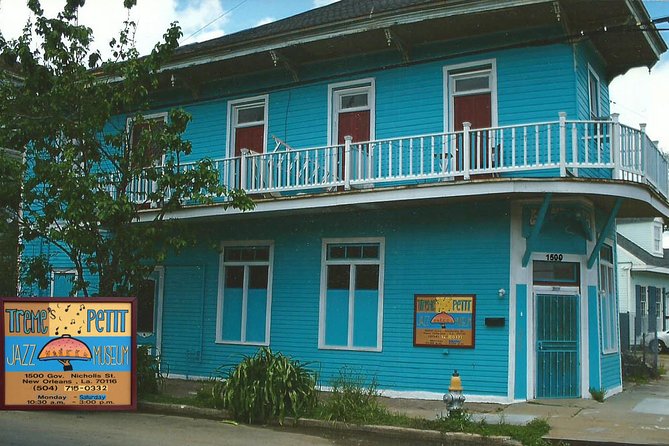
The final listed stop is The Lost Sock at Rampart, a laundry and museum at a site associated with Cosimo’s J&M Recording Studio. Fats Domino, Little Richard, Professor Longhair, and other musicians recorded some of their early music there. The tour gives this stop about 15 minutes, with no admission charge listed.
It is a good example of how New Orleans music history lives in ordinary-looking places as well as famous venues. A recording studio can be easy to miss if you walk past without knowing who worked there. The stop adds a local-business setting to the tour and gives you a concrete link between the neighborhood and the records that carried its music beyond the city.
The itinerary also includes a 15-minute Storyville stop, 10 minutes for the starting-area introduction, 50 minutes for Treme and its historic sites, and 15 minutes at Congo Square. The time labels add up to more than the stated tour duration, so treat them as approximate rather than a minute-by-minute promise. The overall experience lasts about 1 hour and 45 minutes.
How the guide shapes the walk
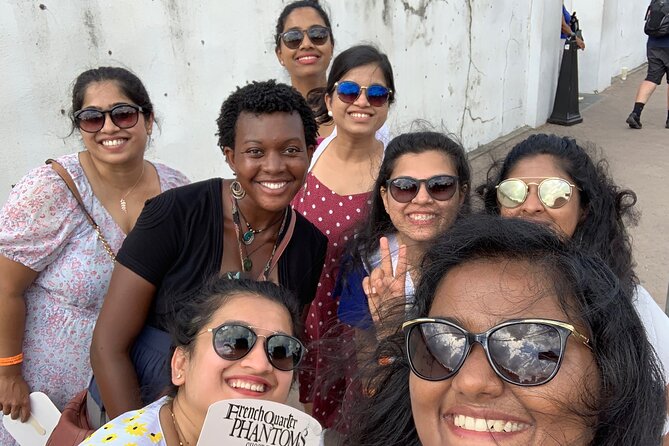
The guide is the main reason this tour can feel like more than a route between landmarks. Strong guides have brought in music, answered questions, and connected historical events to the neighborhood as it exists now. Erin, Nika, Claire, and Kwaku have each been praised for lively storytelling and clear explanations; Pepe has also been described as a New Orleans native with insight into the local music scene.
Music clips are a recurring feature. Guides have played selections to set the mood or illustrate a musician, style, or period. That does not turn the walk into a concert, but it gives you a useful listening cue. If you later hear a song or style mentioned on the tour, you may have a better sense of the people and places behind it.
The experience can also change with the group. One person described a guide adapting the commentary to questions, while another found the walk easy for seniors. Those details suggest a tour that can be conversational, but it is still a walking activity. If you need frequent breaks or have mobility concerns, contact the operator before booking rather than assuming the route will suit your needs.
Is $20.50 a fair price?
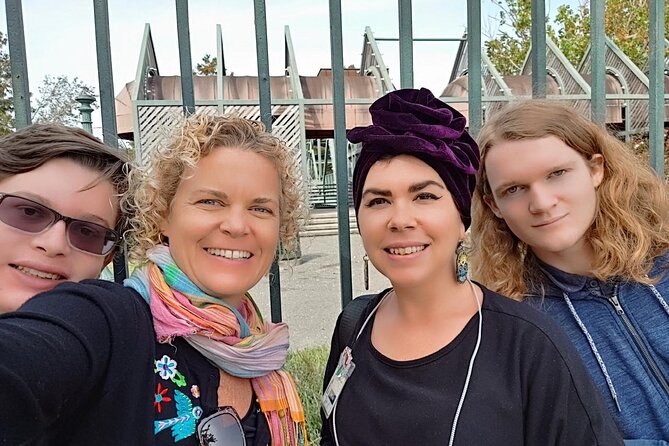
At $20.50 per person, this is a modestly priced way to get a guided introduction to Treme, Congo Square, Storyville, and New Orleans music history. You are paying for a guide’s interpretation and local context, not for food, drinks, transport, or paid entry to a series of museums. No hotel pickup or drop-off is included.
The value is strongest if you like asking questions and hearing stories attached to specific places. A self-guided walk can take you through the same streets, but it will not necessarily explain the links between Congo Square, Black history, jazz, local recording studios, and the neighborhood’s memorials. On the other hand, if your main goal is to spend most of the outing walking residential streets, the park-heavy route some groups experience may feel like less value.
The tour is often booked about 16 days ahead, so plan ahead if the 10:30 a.m. start fits your schedule. Free cancellation is available if you cancel at least 24 hours before the start time. Cancellations inside that window are not refunded, and late changes are not accepted.
Who should book this walk?
Book it if you want a short, guided introduction to Treme’s history and the Black cultural traditions that helped shape New Orleans music. It suits first-time visitors who want more context than a casual pass through the area can provide, and music fans who want to connect recordings and musicians to local places. It may also appeal to people who have already seen the French Quarter and want a different historical lens on the city.
It is a less certain fit if you expect a long exploration of residential Treme or a music performance. The route is a history walk, not a concert, and the time spent in the park can be substantial. Ask the operator about the current route if seeing more neighborhood streets is your priority.
I would book it for the guide-led stories, the Congo Square stop, and the chance to hear how music connects to community history. Go with comfortable shoes, a willingness to engage with difficult subjects, and flexible expectations about exactly how many blocks you will cover.
FAQ
How long is the Treme walking tour?
The tour lasts approximately 1 hour and 45 minutes.
What time does the tour start?
The listed start time is 10:30 a.m.
Where does the tour meet?
Meet at Voodoo Lounge, 718 North Rampart Street, New Orleans, Louisiana 70116.
Where does the tour end?
The tour ends back at the meeting point.
How much does the tour cost?
The listed price is $20.50 per person.
What language is the tour offered in?
The tour is offered in English.
How large is the group?
The maximum group size is 14 travelers.
Are food, drinks, and hotel pickup included?
No. Food, drinks, alcoholic drinks, and hotel pickup and drop-off are not included. Alcoholic drinks may be available to purchase.
Can I bring a camera?
Yes. You may bring a camera, but videotaping is not allowed.
What is the cancellation policy?
You can cancel at least 24 hours before the start time for a full refund. Cancellations or changes made less than 24 hours before the start time are not accepted, and the payment is not refunded.
Newest tours in New Orleans
- New Orleans : Garden District Architecture Walking tour★ 4.8 · 5 reviews
- Ultimate Denver Day Out: Red Rocks, City Views & Ice Cream★ 5.0 · 7 reviews
- True Voodoo History of NOLA’s Congo Square with Local Guide★ 4.9 · 16 reviews
- From New Orleans: Whitney and Laura Guided Plantation Tour★ 4.9 · 20 reviews
- Witches Coven Walking Tour in New Orleans★ 5.0 · 49 reviews
- Treme Bar Crawl & Seafood Experience★ 4.2 · 7 reviews
- New Orleans Self-Guided Kayak Bayou Swamp Tour★ 5.0 · 9 reviews
- Whitney Plantation and Soul of New Orleans City Tour Combo★ 5.0 · 13 reviews
New Orleans Treme Tours, compared.
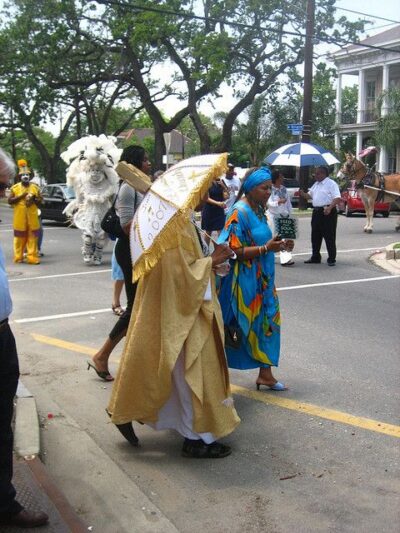

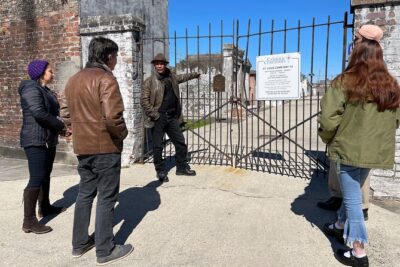
New Orleans Voodoo, Storyville, Treme, Walking Tour
Read our review →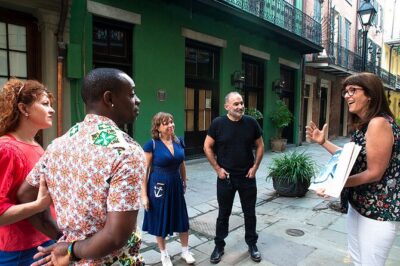
Walking the Tremé: A Self-guided Audio Tour of New Orleans
Read our review →
New Orleans Driving Tour with Bayou St. John, City Park, Treme
Read our review →
Browse the lists this tour appears in