
Reviewed · NEW ORLEANS MUSEUMS
The National WWII Museum Admission Ticket New Orleans
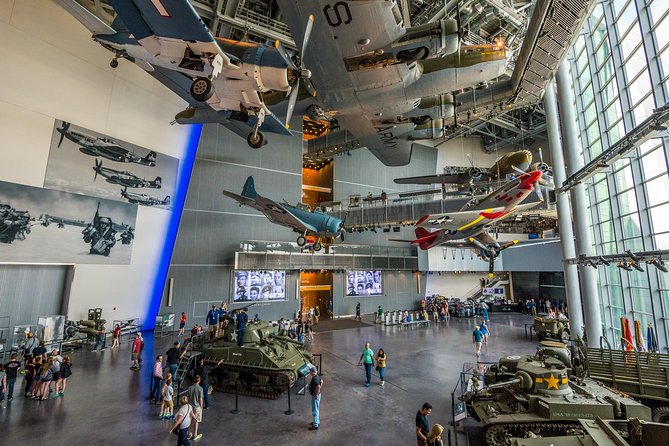
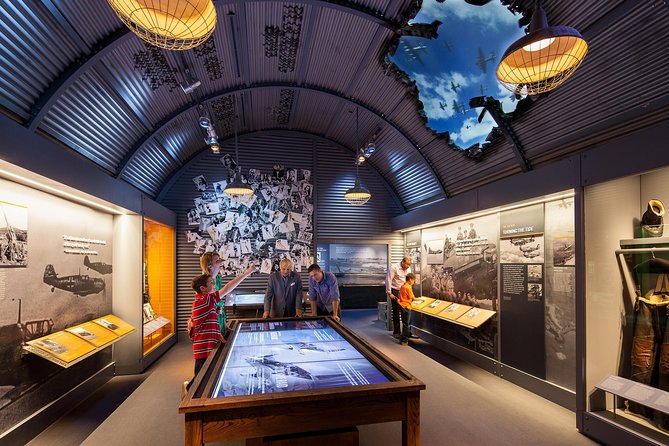
The National WWII Museum tells a world-changing story through the lives of the people caught up in it. In New Orleans, you can move from a real C-47 aircraft and D-Day displays to intimate personal accounts, then follow the war across the European and Pacific theaters.
I like the mix of original artifacts and first-person stories, which gives the history human scale, and the freedom to explore at your own pace. The trade-off is size: two or three hours is enough for a quick visit, but not for seeing everything, and some galleries can feel emotionally heavy or noisy.
Key points
- The museum is much bigger than a quick stop. Several major galleries and buildings make a half-day or full day a more realistic plan.
- The story follows the American experience. Exhibits cover D-Day, the Home Front, and the European and Pacific theaters.
- A real C-47 is on display. Aircraft, military equipment, personal accounts, and interactive stations add variety to the galleries.
- The ticket is for general admission. Beyond All Boundaries and Final Mission cost extra.
- Take breaks when you need them. The museum has a restaurant and soda shop, both at your own expense.
A museum visit that can fill your day
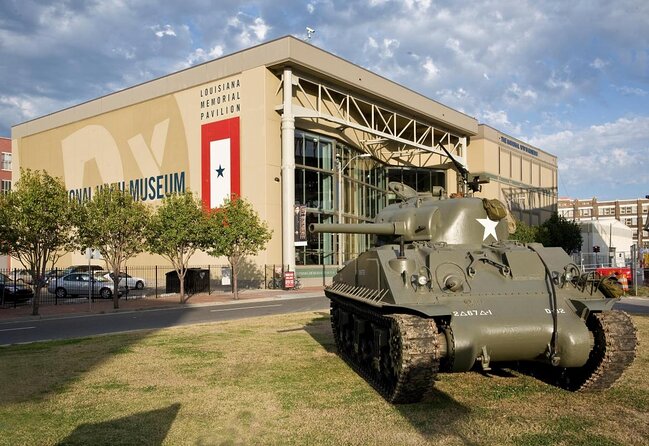
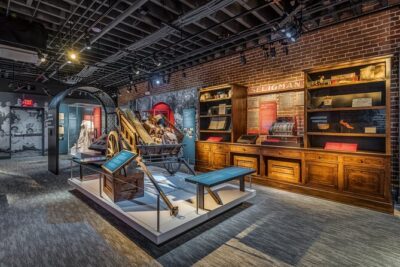
The National WWII Museum is not a small collection you can scan between lunch and your next New Orleans stop. It is a large, multi-part museum built around the American experience of the war: why it was fought, how it was won, and what its human cost meant. The displays combine artifacts, aircraft, written interpretation, video, and personal histories.
Your general admission ticket lets you explore at your own pace during opening hours. The estimated visit is two to three hours, but that is best treated as a starting point, not a promise that you will see the whole museum. If you read the panels, watch the films, and pause at the oral histories, you may find that even a long visit leaves more to see.
I would plan at least half a day if the subject interests you, and a full day if you want to take your time across the main galleries. Some people manage a shorter visit by choosing one or two areas, but the scale makes it easy to lose track of time. Going in with a priority or two helps you make the most of your ticket.
More museums in New Orleans:
- French Quarter Walking Tour With Comp 1850 House Museum Admission
★ 5.0 · 781 reviews - New Orleans: The National WWII Museum Ticket
★ 4.8 · 704 reviews - The National WWII Museum Campus Pass plus 4-D Film
★ 5.0 · 672 reviews
Start with the Louisiana Memorial Pavilion
The Louisiana Memorial Pavilion is a natural place to begin. Its exhibits include D-Day and Home Front history, along with an authentic C-47 aircraft. That contrast is part of what makes the museum effective: you can see a large piece of wartime machinery, then turn to the experiences of the people who lived and worked around the war.
The pavilion also introduces a mini-train experience connected to the museum’s dog tag activity. The train is presented as a reminder of military transport during wartime, and the ride helps set the scene for the journey soldiers faced. It is a distinctive feature, though it is only one part of a much larger visit.
Allow time to read and look closely rather than treating the first galleries as a warm-up to the bigger exhibits. The museum’s strength is its movement between broad events and individual stories. If you are visiting with children or anyone who finds intense material difficult, it is useful to set expectations before entering and to pause when needed.
Follow the war through Europe and the Pacific
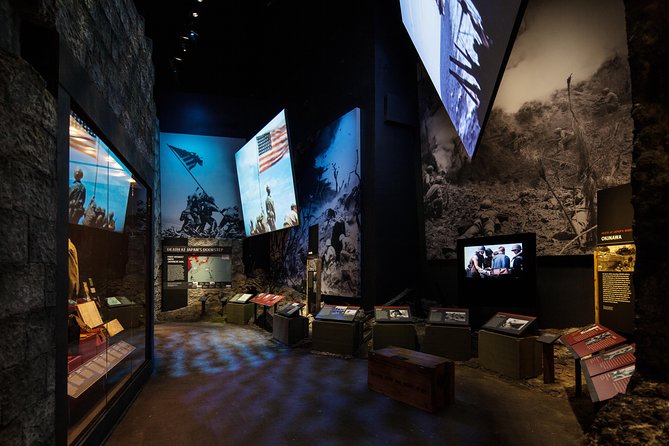
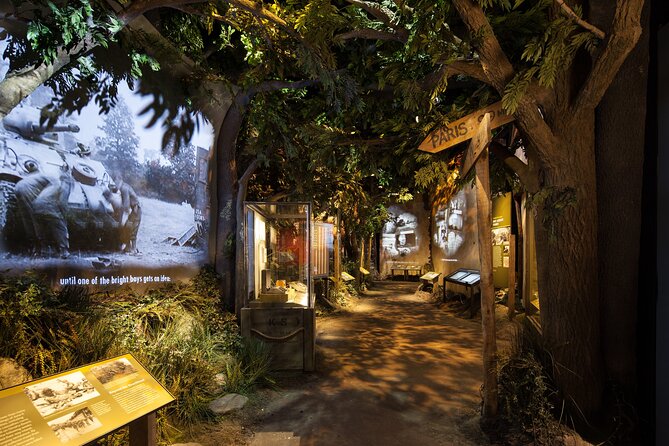
The Campaigns of Courage galleries are at the heart of the museum experience. Their two main routes, Road to Berlin and Road to Tokyo, follow the European and Pacific theaters in chronological order. The presentation combines objects, set design, period newsreels, video, interactive oral-history stations, and digital displays.
This format gives you more than a list of battles and dates. The settings help place events in context, while personal accounts bring the consequences closer. You can approach the war from the perspective of American servicemen and follow the campaigns as they unfolded, rather than viewing each artifact as an isolated object.
The galleries are visually and sonically busy. Short film segments may play in different areas, alongside lighting and other effects, so there can be a lot competing for your attention. If you are sensitive to noise or visual stimulation, take breaks and choose which displays to focus on instead of trying to absorb everything at once.
Make room for the Home Front and the human cost
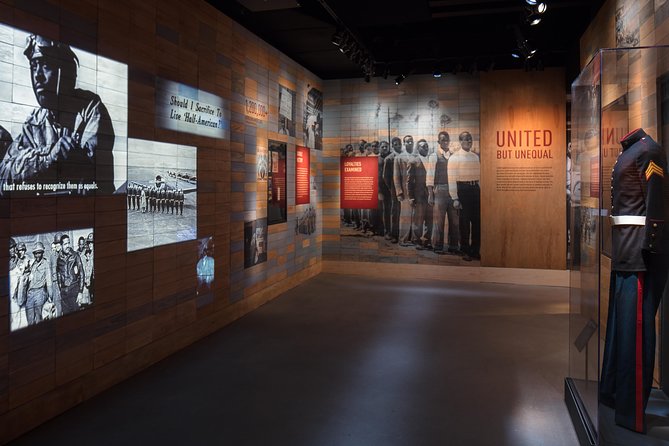
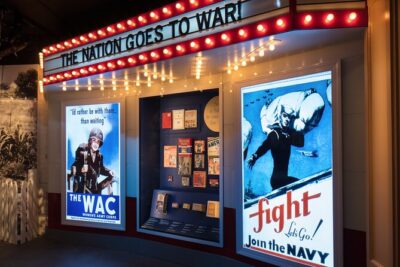
The museum does not limit itself to combat. Home Front exhibits show another part of the American experience, while the wider galleries trace the effects of war beyond the battlefield. That broader scope matters: it helps connect military action to the lives, choices, and losses of people at home and abroad.
Some sections are especially affecting. The Holocaust and liberation material is described as powerful and emotionally difficult, and the museum gives space to the people who suffered and died. This is not a light, feel-good attraction. You may want to pace yourself, particularly if you are visiting with younger children or anyone who finds casualty-focused displays distressing.
That emotional weight is also one reason the museum can be so meaningful. Rather than treating the war as a sequence of victories, it asks you to consider the human cost and the bravery, ingenuity, and sacrifice involved. I would not rush through those galleries just to tick off more rooms.
More tickets and passes in New Orleans:
- New Orleans: Vue Orleans Observation Deck Entry Ticket
★ 4.7 · 132 reviews - New Orleans: Audubon Aquarium & Insectarium Ticket
★ 4.5 · 93 reviews - Vue Orleans: Observation Deck Entry Ticket
★ 4.5 · 87 reviews - Audubon Zoo Ticket
★ 4.5 · 75 reviews
See the machines in the US Freedom Pavilion
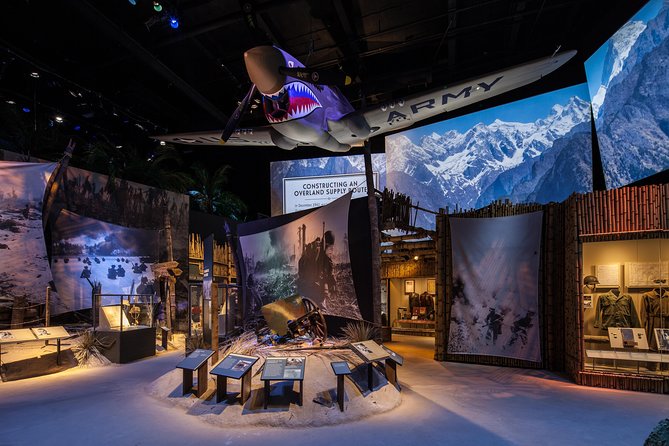
The US Freedom Pavilion offers a close look at preserved military aircraft and other war machines. The scale of the objects changes the experience: a short label can tell you what a piece of equipment did, but standing beside it makes its size and engineering easier to grasp.
The pavilion also includes galleries honoring American service members. Together, the machines and memorial displays balance technical history with remembrance. If you have limited time, this is a strong area to prioritize for its visual impact, though it cannot replace the more detailed campaign galleries.
There is a lot to take in across the museum’s buildings and exhibition spaces, and finding your way around may take a little attention. Staff and volunteers are available to help with directions, so ask if you are unsure where to go next. A quick check of the museum map or a plan at the start can save you from spending your energy retracing your steps.
Decide if the extra experiences suit you
Two attractions are not part of general admission: Beyond All Boundaries, a 4-D documentary produced by Tom Hanks, and Final Mission: USS Tang Submarine Experience. Both require an additional payment; the supplied price information lists these extras at $7. The film runs about 50 minutes and includes first-hand accounts from the battlefield and the Home Front.
The 4-D presentation adds a substantial block of time to your visit. If you want the full museum experience, consider that length when planning your day rather than discovering it when you are already tired. The film may be a good choice if you want a guided narrative to bring together events and personal accounts, but it is not essential to enter the main galleries.
Final Mission focuses on the USS Tang, described as one of the most successful submarines of the war. It is an interactive experience, so it offers a different format from the exhibit halls. If submarines or naval history are a particular interest, the extra cost may be worthwhile; if your budget or time is tight, general admission still gives you plenty to explore.
Make a sensible plan for food and rest
You can take a break at the American Sector Restaurant and Bar or the Soda Shop. Food and drinks are not included in the ticket, so budget for them separately. The restaurant offers a place to sit down during a long visit, while the soda shop provides another option for a pause between galleries.
There is also BB’s Stage Door Canteen, a 1940s-style entertainment venue that presents music and performers from the war years. It adds a period-flavored break from the galleries, though it is a separate kind of experience from reading exhibits and viewing artifacts. Check what is available during your visit if this is important to your plans.
A break is not wasted museum time. The material can be intense, and the scale can wear you down. I would rather take a short pause and return with some attention left than hurry through the last galleries simply because I had not planned to stop.
Is $37.80 good value?
At $37.80 per person, general admission is best judged by how much time you intend to spend inside. For a brief two-hour visit, it may feel like a steep ticket. If you give the museum half a day or longer, the breadth of the galleries, artifacts, aircraft, and personal histories makes the price easier to justify.
Remember that the ticket covers general admission, not every experience on site. The 4-D film and submarine activity cost extra, and food and drinks are also your responsibility. Decide in advance which additions matter to you, rather than assuming they are included in the entrance price.
The main value is the range of ways the museum tells the story. You can move between military equipment, campaign timelines, first-person accounts, and interactive displays, all without being tied to a scheduled group tour. That flexibility is especially useful if you want to linger in certain galleries or move on when a topic feels too heavy.
Who will get the most from this visit?

This is an obvious choice for anyone interested in World War II, military history, or personal accounts of wartime life. It also works for students and curious adults who want more than a quick overview. The museum’s mix of objects, film, and interactive elements helps make a large subject accessible, even if you do not arrive with detailed background knowledge.
Families can visit, but think about the age and temperament of the children in your group. Some displays deal directly with death, persecution, and the aftermath of war, while sound and visual effects can make parts of the museum intense. The museum is not simply a collection of vehicles; prepare children for serious themes and take breaks as needed.
If you are visiting New Orleans for music, food, and architecture, this museum offers a very different day. It is a worthwhile change of pace, particularly on a rainy day, but it should not be squeezed into a narrow gap. You will get more from it if you can give the exhibits room to work on you.
Should you book the National WWII Museum?
Book this admission if you want a substantial, self-paced history visit and can reserve several hours for it. The strongest reasons to go are the personal stories, the large artifacts, and the clear route through the European and Pacific theaters. The ticket gives you flexibility, while the museum’s size rewards patience.
Think twice if your schedule only allows a quick stop, or if your group is not ready for emotionally heavy material. You can still choose a focused visit, but you will need to accept that you are seeing a portion rather than the whole museum. For a history-minded visitor, I would make room for it and plan a break before the day is over.
FAQ
How long should I plan to spend at the museum?
The estimated visit is two to three hours, but the museum is large and can take much longer to explore. Plan for at least half a day if you want to see more than a few galleries.
What does general admission include?
Your ticket includes general admission to the museum. The Beyond All Boundaries 4-D film and Final Mission submarine experience are extra-cost activities.
What are the museum’s opening hours?
The museum is open daily from 9:00 AM to 5:00 PM.
Are food and drinks included in the ticket?
No. Food and drinks are at your own expense. The museum has the American Sector Restaurant and Bar and the Soda Shop.
Does the museum include a guided tour?
The ticket is for general admission, and you explore at your own pace. The museum experience described includes exhibits, interactive displays, aircraft, and personal histories.
How much do the 4-D film and submarine experience cost?
They are not included with general admission. The supplied information lists the additional experiences at $7.
Can I cancel my ticket for a refund?
You can cancel at least 24 hours before the experience start time for a full refund. Cancellations made less than 24 hours before the start time are not refunded.
Newest tours in New Orleans
- New Orleans : Garden District Architecture Walking tour★ 4.8 · 5 reviews
- Ultimate Denver Day Out: Red Rocks, City Views & Ice Cream★ 5.0 · 7 reviews
- True Voodoo History of NOLA’s Congo Square with Local Guide★ 4.9 · 16 reviews
- From New Orleans: Whitney and Laura Guided Plantation Tour★ 4.9 · 20 reviews
- Witches Coven Walking Tour in New Orleans★ 5.0 · 49 reviews
- Treme Bar Crawl & Seafood Experience★ 4.2 · 7 reviews
- New Orleans Self-Guided Kayak Bayou Swamp Tour★ 5.0 · 9 reviews
- Whitney Plantation and Soul of New Orleans City Tour Combo★ 5.0 · 13 reviews
New Orleans Museums, compared.

French Quarter Walking Tour With Comp 1850 House Museum Admission
Read our review →
The National WWII Museum Campus Pass plus 4-D Film
Read our review →

Whitney Plantation and Museum Tour from New Orleans
Read our review →
Museum of the Southern Jewish Experience in New Orleans
Read our review →
Old Ursuline Convent Museum Ticket: New Pope Leo XIV Exhibit
Read our review →Browse the lists this tour appears in