
Reviewed · NEW ORLEANS MUSEUMS
Old Ursuline Convent Museum Ticket: New Pope Leo XIV Exhibit
The Old Ursuline Convent is more than a museum stop: it is a chance to step inside an 18th-century building that still anchors the story of early New Orleans. For $10, you can see religious objects, historic documents, and medical instruments linked to the Ursuline nuns, who arrived in 1727 to teach girls and care for the sick.
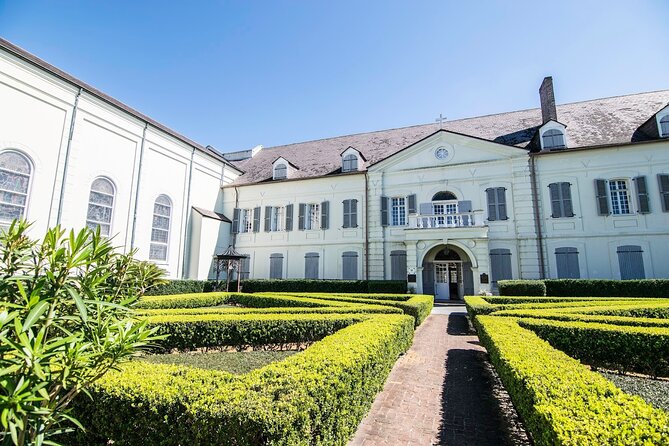
I like two things in particular: the convent’s French Colonial architecture, which dates to 1745–1752, and the quiet courtyard, a welcome pause from the French Quarter’s busy streets. St. Mary’s Church adds another worthwhile stop, with stained glass and a calm interior.
One consideration: the museum is open only Tuesday through Saturday, 10 a.m. to 2 p.m., during the listed operating period, so timing takes a little planning. The New Pope Leo XIV exhibit is named as part of the experience, but its subject matter and display details aren’t specified.
At a glance
- Oldest surviving building in the Mississippi River Valley: The convent was built between 1745 and 1752.
- A story of education and care: The Ursuline nuns arrived in 1727 and helped educate young girls and care for the sick.
- Objects with a practical past: Exhibits include religious statues, historic documents, and medical instruments used by the nuns.
- A church and a courtyard: St. Mary’s Church dates to 1845, while the convent grounds offer shaded walks, flowers, and historic statues.
- A short, affordable visit: Plan for about one to two hours, with admission priced at $10 per person.
- A compact schedule: The listed hours are Tuesday through Saturday, 10 a.m. to 2 p.m.
A convent that tells New Orleans’ early story
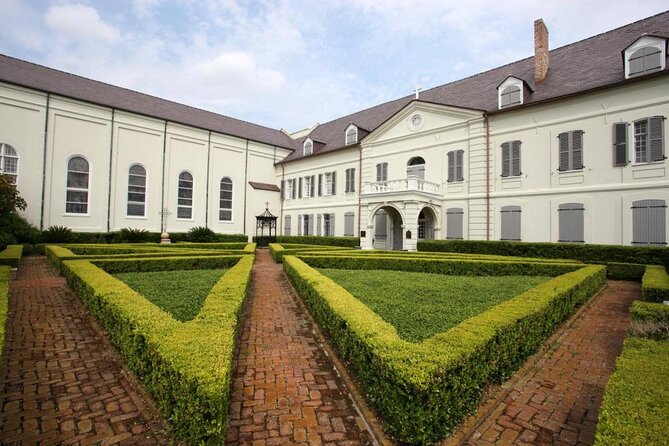
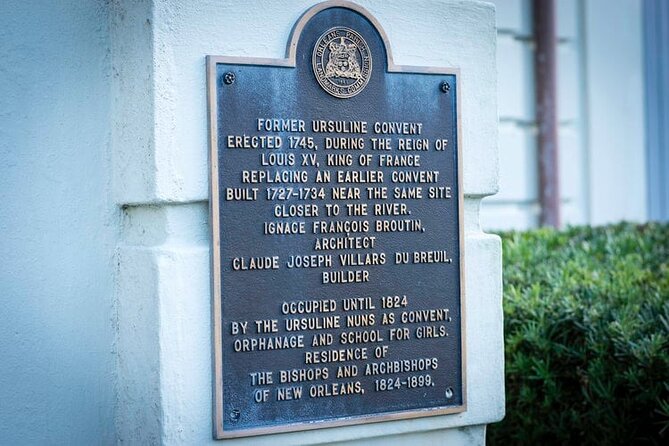
The Old Ursuline Convent gives you a direct link to the city’s colonial years, not just a display case of old objects. The building itself is the first part of the visit. Raised between 1745 and 1752, it is described as the oldest surviving building in the Mississippi River Valley and a notable example of French Colonial architecture.
That date matters. You are looking at a structure from the period when New Orleans was still a young colonial settlement, and the convent’s purpose was closely tied to everyday needs. The Ursuline nuns arrived in 1727. Their work included educating young girls and caring for the sick, roles that made the convent part of the city’s civic life as well as its religious life.
I find that combination more compelling than a museum focused only on grand events or famous names. The convent’s story is about work that had to be done: teaching, tending to illness, and building a place for women’s religious life in a developing city. The objects on display help make those tasks concrete.
The museum is also a useful choice if you want a quieter, more measured stop in the French Quarter. It is not a long excursion or a sprawling collection. You can take in the building, look closely at the exhibits, and leave time for the church and courtyard without giving up a full day.
More museums in New Orleans:
- The National WWII Museum Admission Ticket New Orleans
★ 5.0 · 2,202 reviews - French Quarter Walking Tour With Comp 1850 House Museum Admission
★ 5.0 · 781 reviews - New Orleans: The National WWII Museum Ticket
★ 4.8 · 704 reviews
What you’ll see inside the museum
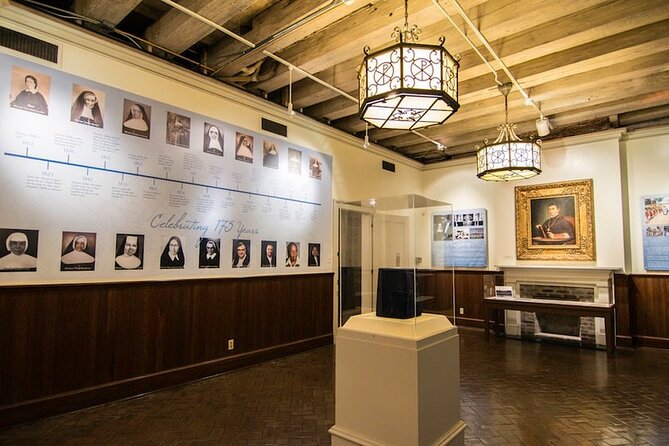
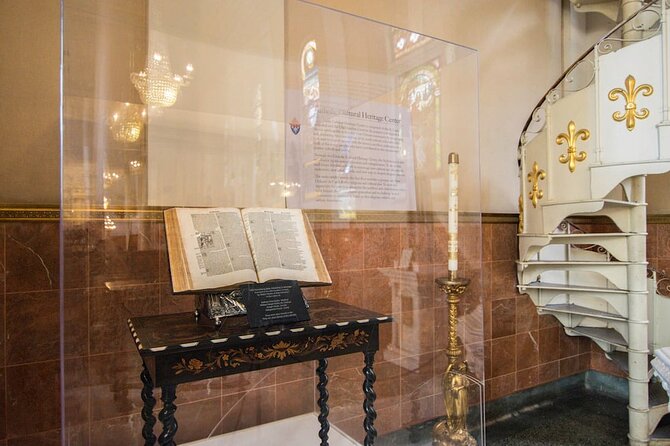
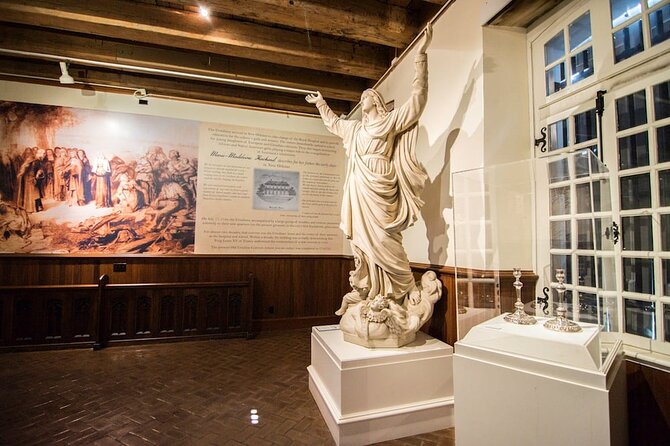
The museum displays colonial-era objects connected to the convent and the Ursuline community. Expect religious statues and historic documents, along with medical instruments used by the nuns. Those instruments are especially revealing: they point to the practical side of convent life and the nuns’ role in caring for the sick.
The exhibits connect artifacts to people and work, which is useful if you prefer history with a human scale. A religious statue can tell you about the convent’s spiritual life; a medical instrument brings attention to the care that happened beyond the chapel. Documents offer another kind of evidence, preserving details of the institution and its place in early New Orleans.
The experience is advertised with a New Pope Leo XIV exhibit. The information available here does not describe the exhibit’s objects, size, or interpretation, so I would not plan the visit around a particular display without checking what is currently on view. If that exhibit is your main reason for going, confirm its contents before you book.
Allow one to two hours for the visit. That gives you a reasonable window for the museum, the architecture, St. Mary’s Church, and a pause in the courtyard. Your exact pace will depend on how long you spend reading documents and examining the artifacts. There is no stated group size or set guided-tour format, so don’t assume that admission includes a scheduled guide.
A visitor has praised a guide named Guy for sharing a wealth of information. That is a useful clue if you happen to meet him, but it does not establish that he leads every visit. The museum building and exhibits are worthwhile on their own; a guide can add context if one is available.
The French Colonial building is part of the collection
At the Old Ursuline Convent, the architecture is not a backdrop. It is one of the principal reasons to come. The building dates from 1745 to 1752, and its French Colonial design gives the visit a sense of place that a gallery of objects alone could not provide.
Look at the convent as a working institution, not merely as an old façade. Its age and original purpose are bound up with the history of the nuns who lived and worked there. The building helps you picture the scale of their undertaking: a community arriving in 1727, then establishing a place tied to education, health care, and religious life.
That context is particularly valuable if you are visiting New Orleans for its varied cultural history. The convent adds a perspective on the people and institutions that helped shape the early city. It also offers a different emphasis from attractions centered on music, food, or the French Quarter’s better-known social history.
The available details do not specify the route through the rooms or which architectural features are open to visitors. Keep your expectations flexible, and treat the convent as a historic museum visit rather than assuming access to every part of the building.
St. Mary’s Church and the courtyard slow the pace
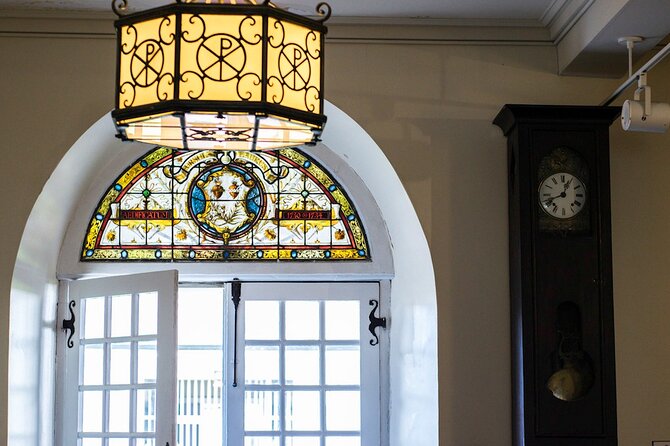
St. Mary’s Church was added in 1845, making it a later chapter in the site’s story. Its stained glass and serene atmosphere are a contrast to the more object-focused museum rooms. Even a brief look can round out your visit by showing how the religious life of the site continued after the convent’s original construction.
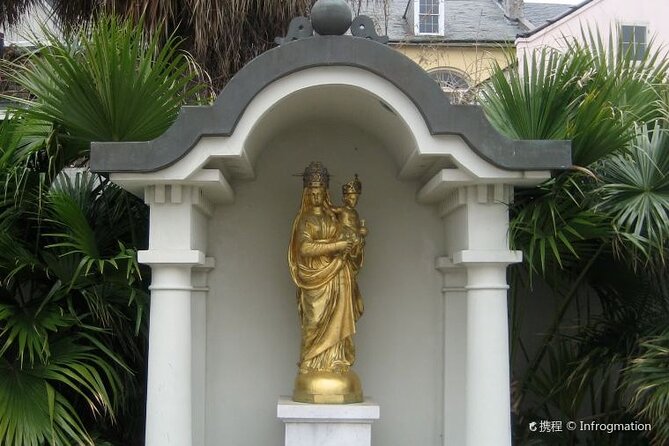
The courtyard gives you a different sort of pause. It is described as a lush, peaceful space with fragrant flowers, shaded walkways, and historic statues. If you have been walking through the French Quarter, that quiet can be as welcome as another exhibit. Give yourself a few minutes to sit or walk slowly rather than treating the grounds as a corridor between indoor stops.
The grounds are also a good reason not to rush. The museum’s historical objects call for attention, while the church and courtyard offer room to take in the setting at a gentler pace. Together, they make the visit feel more complete than a quick look at the convent’s exterior.
There is no food or drink allowed or provided within the museum convent. Plan to eat or have a drink elsewhere, and don’t count on refreshments as part of the admission. That restriction is easy to work around, but it matters if you are planning a longer stretch in the French Quarter.
More tickets and passes in New Orleans:
- New Orleans: Vue Orleans Observation Deck Entry Ticket
★ 4.7 · 132 reviews - New Orleans: Audubon Aquarium & Insectarium Ticket
★ 4.5 · 93 reviews - Vue Orleans: Observation Deck Entry Ticket
★ 4.5 · 87 reviews - Audubon Zoo Ticket
★ 4.5 · 75 reviews
Is $10 good value?
At $10 per person, the visit is an affordable way to see a major historic building and learn about an institution that played an important part in early New Orleans. The price includes museum admission. Ticket sales directly support both the Old Ursuline Convent and St. Louis Cathedral, which gives your visit a local preservation benefit as well as a cultural one.
The strongest value is in the combination of site and subject. You are not paying only to see a collection of objects; you are visiting a convent built in the 18th century, viewing exhibits tied to its community, and seeing the later church and courtyard. That is a substantial visit for a modest ticket price, particularly if you have an interest in architecture, religious history, or the city’s colonial period.
The value depends on what you want. If you are looking for a large museum with a full day of galleries, this is not that. The visit is compact, and the published duration is about one to two hours. If you enjoy smaller historic sites where the building itself carries much of the story, the price makes good sense.
The New Pope Leo XIV exhibit may add interest for visitors specifically drawn to that topic, but there are no details here about its content. I would regard it as an advertised feature, not a reason to expect a particular kind of display unless you confirm what is on view.
Plan around the short opening window
The stated opening hours are Tuesday through Saturday, 10 a.m. to 2 p.m., for the period from July 7, 2025, through February 16, 2027. That is a narrow window, so check the date and time carefully when fitting the museum into a day in New Orleans. It is not an evening option, and it is not listed as open on Sunday or Monday.
The ticket is mobile, and confirmation is received at booking. The site is near public transportation, which can help if you are moving around without a car. No specific route or transport stop is provided, so check your preferred directions before setting out.
Service animals are allowed, and most people can participate. The information does not provide more detailed accessibility specifications, so if you have particular access needs, contact the venue before you go rather than relying on a general statement.
Free cancellation is available up to 24 hours before the experience’s start time. Cancel later than that, or make a change within 24 hours, and the amount paid is not refundable. The cut-off follows local time.
Who will enjoy this visit most?
I would put the Old Ursuline Convent on the list for anyone curious about New Orleans beyond its most familiar sights. It suits visitors interested in colonial-era architecture, religious history, education, or the daily work of caring for a community. The exhibits and setting give you several ways into the story, whether you are drawn to documents, medical objects, or the building itself.
It also works well for a short gap in a French Quarter itinerary. You can spend one to two hours here, and the courtyard offers a calmer counterpoint to the surrounding streets. Families may appreciate that it is a manageable visit, though the material is historical rather than designed as a children’s attraction.
If your schedule is already packed, the limited hours are the main hurdle. You will need to place the convent into a Tuesday-to-Saturday morning or early afternoon, and you should not expect a long, elaborate tour unless additional arrangements are confirmed. The museum is best approached as a focused historic stop, not as an all-day activity.
Should you book the Old Ursuline Convent Museum?
Book it if you value old buildings, local history, and a quiet place to pause in the French Quarter. At $10, the convent, museum exhibits, St. Mary’s Church, and courtyard make a worthwhile combination, especially for visitors who want to understand the people and institutions behind early New Orleans.
Skip it if you need an evening attraction, want a large museum experience, or are booking solely for the New Pope Leo XIV exhibit without first confirming what it includes. For everyone else, this is a modestly priced, thoughtful visit with a strong sense of place. Check the short opening window, leave time for the courtyard, and let the building itself set the pace.
FAQ
How much does admission cost?
Admission is $10 per person. Museum ticket sales support the Old Ursuline Convent and St. Louis Cathedral.
How long should I allow for the visit?
Plan for about one to two hours.
When is the museum open?
The stated hours are Tuesday through Saturday, 10 a.m. to 2 p.m., from July 7, 2025, through February 16, 2027.
What can I see at the museum?
Exhibits include colonial-era religious statues, historic documents, and medical instruments used by the Ursuline nuns. The experience also includes the convent, St. Mary’s Church, and the courtyard.
What is the New Pope Leo XIV exhibit about?
The exhibit is named as part of the experience, but specific information about its contents is not provided.
Is there a guide?
A guide named Guy has been praised for sharing extensive information, but no set guide or guided-tour schedule is specified.
Can I bring food or drinks inside?
No. Food and drink are not allowed or provided within the museum convent.
Can I cancel my booking?
You can cancel for a full refund at least 24 hours before the experience’s start time. Cancellations or changes made less than 24 hours before the start time are not accepted for a refund.
Newest tours in New Orleans
- New Orleans : Garden District Architecture Walking tour★ 4.8 · 5 reviews
- Ultimate Denver Day Out: Red Rocks, City Views & Ice Cream★ 5.0 · 7 reviews
- True Voodoo History of NOLA’s Congo Square with Local Guide★ 4.9 · 16 reviews
- From New Orleans: Whitney and Laura Guided Plantation Tour★ 4.9 · 20 reviews
- Treme Bar Crawl & Seafood Experience★ 4.2 · 7 reviews
- Witches Coven Walking Tour in New Orleans★ 5.0 · 49 reviews
- New Orleans Self-Guided Kayak Bayou Swamp Tour★ 5.0 · 9 reviews
- Whitney Plantation and Soul of New Orleans City Tour Combo★ 5.0 · 13 reviews
New Orleans Museums, compared.

The National WWII Museum Admission Ticket New Orleans
Read our review →
French Quarter Walking Tour With Comp 1850 House Museum Admission
Read our review →

The National WWII Museum Campus Pass plus 4-D Film
Read our review →

Whitney Plantation and Museum Tour from New Orleans
Read our review →
Museum of the Southern Jewish Experience in New Orleans
Read our review →Browse the lists this tour appears in