
Reviewed · NEW ORLEANS PLANTATION TOURS
St. Joseph Plantation Tour
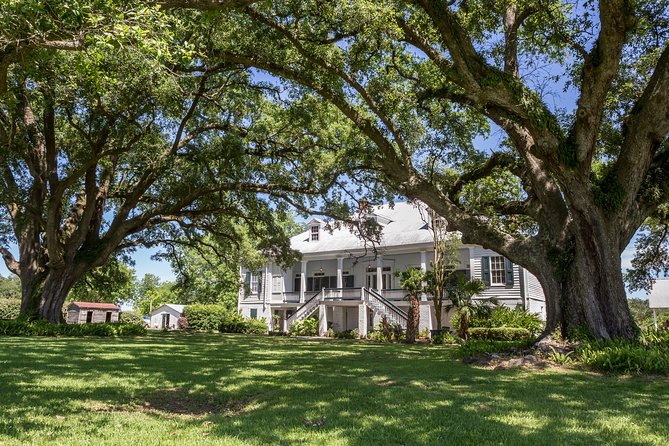
St. Joseph Plantation offers a chance to see a working sugarcane farm alongside an ancestral home that was purchased after the Civil War. Rather than focusing only on rooms and furnishings, the visit connects the house and grounds with the sugar industry that shaped plantation life.
I like two things in particular: you can take pictures inside, and the quieter setting makes this a useful addition to other River Road plantation visits. One consideration: the tour is advertised as lasting one to two hours, so allow some flexibility if you are coordinating it with another stop.
At a glance
- A real sugarcane farm: St. Joseph is an active farm, not only a historic house.
- Inside photography is allowed: Bring your camera or phone, and check any guidance from your tour guide.
- A family’s ancestral home: The home was purchased after the Civil War, giving the visit a specific family connection.
- Exhibits add context: The tour includes exhibits intended to show aspects of life on a sugar plantation.
- A quieter River Road stop: Its off-the-beaten-path character may appeal if you want to avoid larger crowds.
- A compact visit: Plan for about one to two hours, with admission included for $24 per person.
A working farm, not just a historic house
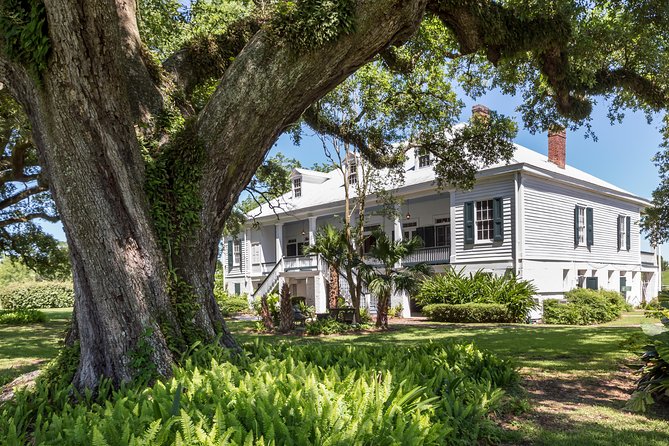
The most useful thing to understand before you go is that St. Joseph is presented as an authentic working sugarcane farm. The historic home matters, but it is only part of the visit. The grounds and exhibits help frame the plantation as a place tied to sugar production, not simply a preserved interior to walk through.
That distinction makes St. Joseph a good choice if you want more than a house tour. Sugar shaped the economy and daily life of plantations along River Road, and a working farm gives the subject a direct connection to the present. The tour promises exhibits that offer a glimpse into plantation life, though the specific topics and layout are not detailed in advance.
The site is called St. Joseph and Felicity Plantation, and the visit includes the home and grounds. The family describes the house as its ancestral home, purchased after the Civil War. That date gives you a particular point of entry: the story here includes a family’s connection to the property after the war, as well as the plantation’s broader relationship to sugarcane.
More plantation tours in New Orleans:
- Swamp Boat Ride and Oak Alley Plantation Tour from New Orleans
★ 5.0 · 3,303 reviews - Oak Alley Plantation Tour with Transportation from New Orleans
★ 4.5 · 1,747 reviews - Whitney Plantation Tour with Transportation from New Orleans
★ 4.5 · 1,351 reviews
Inside the ancestral home
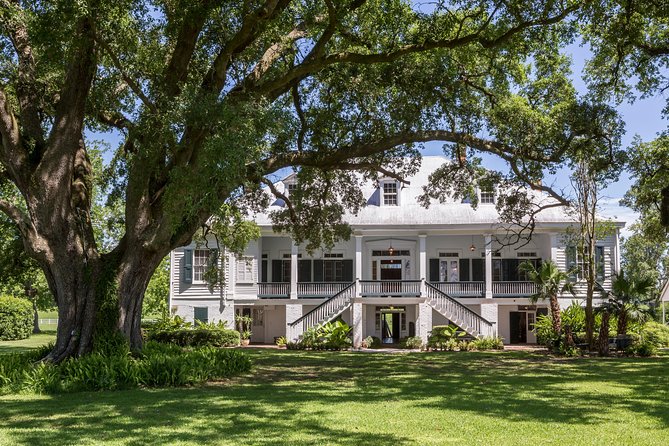
The house is a central part of the visit, and one practical detail sets it apart: photography is allowed inside. Many historic homes restrict indoor pictures, so this is a welcome option if you like to keep a visual record of architectural details or simply want a few reminders of the visit.
Do take the opportunity respectfully. A camera-friendly policy does not mean every room or object should be photographed without checking. Follow the guide’s instructions, especially if there are areas where the rules differ.
The family invites visitors for a relaxed, intimate tour of the ancestral home and grounds. That wording suggests a less formal experience than a large, tightly timed attraction, though the exact group size is not stated. You should expect a guided visit rather than an independent wander, and the guide is an important part of how the home’s history is explained.
A strong guide can make a historic house feel more legible by answering questions and linking individual details to the larger story. One account of the tour particularly praised the guide’s ability to explain the site and respond to questions. I would go ready to ask what interests you, while remembering that the precise guide and tour content may vary.
Sugarcane, exhibits, and plantation life
The exhibits are meant to give you a glimpse into life on a sugar plantation. That is a broad promise, not a room-by-room list, so it is wise to arrive without expecting a specific display or demonstration. The value is in seeing the house, grounds, and farm as connected pieces of a sugar operation.
Sugar production is an especially useful subject for a plantation visit because it brings the site’s history down to practical questions: what was grown, how the farm functioned, and how the plantation fit into the region’s economy. The experience is described as a way to learn about the sugar industry, so this is the lens to keep in mind as you move through the property.
The word plantation also demands care. A tour of a historic home and agricultural property can illuminate how a place operated, but a short visit cannot tell every part of its story. Use the guide’s time to ask questions about the people who lived and worked there, and about how the farm changed over time. The supplied details do not specify which topics are covered, so asking is the best way to make the visit fit your interests.
Grounds and the River Road setting
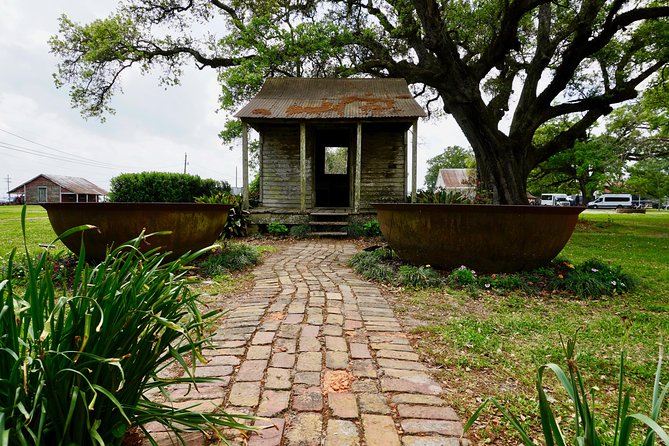
The grounds are part of the visit, not an afterthought. They give you a chance to see the setting around the ancestral home and to think about the property as a farm. Because St. Joseph remains a working sugarcane operation, its agricultural identity is more than a display label.
This stop also works well as one part of a River Road day. If you are visiting more than one plantation, St. Joseph can add a different angle through its working-farm connection and family home. Its quieter, off-the-beaten-path character may also be appealing if you prefer a less crowded stop.
Do not assume that a quieter attraction means no other visitors or a private tour. Group size and crowd levels are not specified. The useful point is that St. Joseph is positioned as a less crowded alternative to better-known stops, not as a guaranteed exclusive experience.
The experience is listed in New Orleans, but the details provided do not spell out how to get to the plantation or whether transportation is included. If you are building a River Road itinerary, check your route and transport arrangements separately rather than assuming the $24 ticket covers travel.
Same city, a different kind of day:
- New Orleans Premier Ghost, Voodoo and Vampire Walking Tour
★ 4.5 · 12,856 reviews - New Orleans Steamboat Natchez Jazz Cruise with Dinner Option
★ 4.0 · 7,533 reviews - Adults-Only New Orleans Ghost, Crime, Voodoo, and Vampire Tour
★ 5.0 · 6,545 reviews - New Orleans Food Walking Tour of the French Quarter with Small-Group Option
★ 5.0 · 6,118 reviews
Is $24 a fair price?
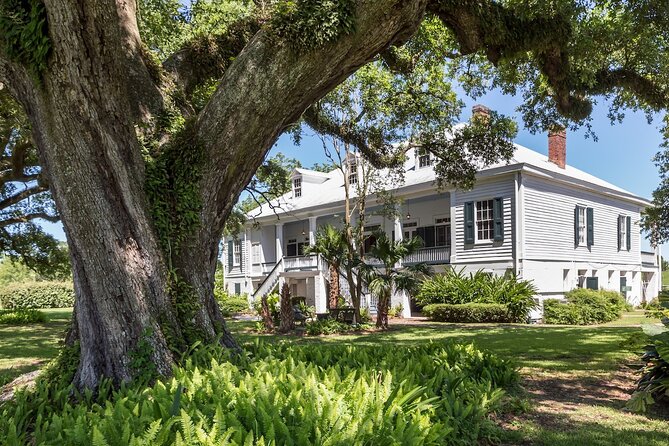
At $24 per person, this is a modestly priced historic-site visit, with admission included. The value depends on what you want from a plantation tour. If you are interested in sugar production, an active farm, a family’s ancestral home, and exhibits in one stop, the price buys a varied visit rather than access to a house alone.
The one-to-two-hour duration makes the cost easier to fit into a day with other stops. It is long enough to give the site room to breathe, but compact enough that you may be able to pair it with another River Road attraction. Since the stated duration is approximate, avoid scheduling your next activity with no buffer.
The price may feel less compelling if you want a highly detailed account of every aspect of plantation history or a long, specialized agricultural tour. The information available does not promise a deep technical look at farming, nor does it list the exhibits in detail. Think of this as a focused, accessible visit with several connected elements, rather than a full-day program.
The experience is offered in English and uses a mobile ticket. Confirmation is provided at booking. Those details keep the entry process simple, but they do not answer questions about transport, exact meeting arrangements, or the day’s schedule. Check those specifics before setting out.
Who should make time for St. Joseph?
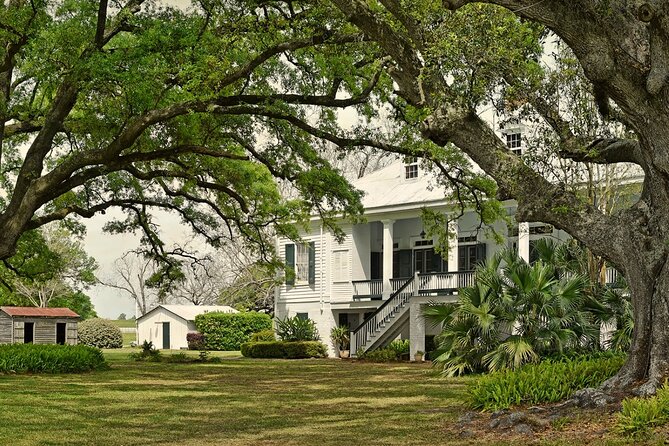
I would consider St. Joseph if you want a plantation stop with a clear agricultural focus. It suits visitors who are curious about sugarcane and who appreciate seeing a historic home in the context of its grounds and farm.
It is also a practical choice if you are already planning to visit other plantations along River Road. The quieter setting and indoor photography policy give it a distinct role in a multi-stop day. If you prefer smaller, family-connected sites to the busiest attractions, this one deserves a look.
Families and visitors with different levels of mobility may also find the visit approachable: the information says most people can participate, and service animals are allowed. Still, no specific details are given about terrain, stairs, or accessible facilities. If those points affect your plans, ask the provider before booking.
If your main priority is a highly detailed schedule, a specific set of exhibits, or a guaranteed small group, the available information may not be enough to decide. Contact St. Joseph Plantation with those questions. The tour’s appeal is clearest when you are comfortable with a one-to-two-hour guided visit whose focus is the home, grounds, exhibits, and working sugarcane farm.
Should you book St. Joseph Plantation?
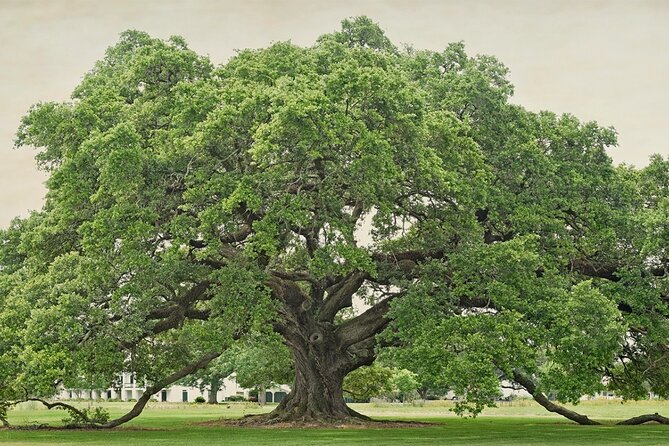
Book it if you want a reasonably priced, compact plantation visit that connects an ancestral home with an active sugarcane farm. The ability to photograph interiors, the exhibits, and its role as a quieter River Road stop all add practical value.
It is less suited to anyone expecting transport to be included or a precisely specified itinerary. Check those details first, and leave a little slack around the approximate tour time. If the sugar industry and the story of a family home interest you, St. Joseph is a worthwhile addition to a River Road day.
FAQ
How long does the St. Joseph Plantation tour take?
The visit lasts approximately one to two hours.
How much does the tour cost?
The listed price is $24 per person, with admission included.
Is the tour offered in English?
Yes. The tour is offered in English.
Can I take photographs inside the house?
Yes. Visitors are allowed to take pictures inside.
Is St. Joseph Plantation still a working farm?
Yes. St. Joseph is an active sugarcane farm.
Does the visit include the house and grounds?
Yes. The family invites visitors to tour the ancestral home and grounds, and the experience includes exhibits.
Are service animals allowed?
Yes. Service animals are allowed.
Can I cancel and receive a refund?
You can receive a full refund if you cancel at least 24 hours before the experience’s start time. Cancellations or changes made less than 24 hours before the start time are not accepted for a refund.
Newest tours in New Orleans
- New Orleans : Garden District Architecture Walking tour★ 4.8 · 5 reviews
- Ultimate Denver Day Out: Red Rocks, City Views & Ice Cream★ 5.0 · 7 reviews
- True Voodoo History of NOLA’s Congo Square with Local Guide★ 4.9 · 16 reviews
- From New Orleans: Whitney and Laura Guided Plantation Tour★ 4.9 · 20 reviews
- Witches Coven Walking Tour in New Orleans★ 5.0 · 49 reviews
- Treme Bar Crawl & Seafood Experience★ 4.2 · 7 reviews
- New Orleans Self-Guided Kayak Bayou Swamp Tour★ 5.0 · 9 reviews
- Whitney Plantation and Soul of New Orleans City Tour Combo★ 5.0 · 13 reviews
New Orleans Plantation Tours, compared.
Swamp Boat Ride and Oak Alley Plantation Tour from New Orleans
Read our review →
Oak Alley Plantation Tour with Transportation from New Orleans
Read our review →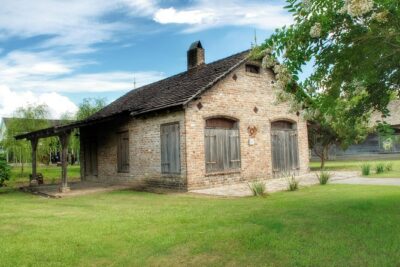
Whitney Plantation Tour with Transportation from New Orleans
Read our review →

Airboat and Plantations Tour with Gourmet Lunch from New Orleans
Read our review →
Bayou Swamp Tour and Oak Alley Plantation Tour
Read our review →
Oak Alley Plantation & Airboat Swamp Combo Tour
Read our review →
Oak Alley Plantation and Large Airboat Swamp Tour from New Orleans
Read our review →Browse the lists this tour appears in