
Reviewed · NEW ORLEANS PLANTATION TOURS
Laura Creole Plantation Guided Tour
Laura Plantation is more than a pretty house beside the Mississippi. Its surviving family records and the memoir of fourth-generation resident Laura Locoul give your guide a way to tell the story of the people who lived here, both free and enslaved. The tour puts that history in the rooms, cabins, and grounds where it unfolded.
I like two things in particular: the original 1840s slave cabins make the story harder to keep at a comfortable distance, and the tour connects plantation life to the Creole culture that shaped Louisiana for more than 200 years. Guides such as Amelia, Pam, Lee, and Cameron have been singled out for clear, lively storytelling, though you can’t choose your guide when booking.
The main consideration is getting there. Laura Plantation is about an hour from New Orleans, and the tour price does not include transportation. The visit itself lasts about 70 minutes, so you’ll need to plan your own drive or arrange a ride, and consider whether you want to pair it with another stop along the Great River Road.
- The family story spans four generations: Laura Locoul’s memoir and archival records help place the Duparc family in the history of the plantation.
- The tour includes original cabins: The 1840s slave quarters offer a direct, sobering counterpoint to the furnished main house.
- Expect a focused, guided visit: The tour lasts about 70 minutes, with groups capped at 28 people.
- The setting adds useful context: Gardens and sugar fields help explain the plantation as a working estate, not just a grand residence.
- Plan your own transport: The site is roughly an hour from New Orleans, and hotel pickup and drop-off are not included.
A Creole plantation told through family records
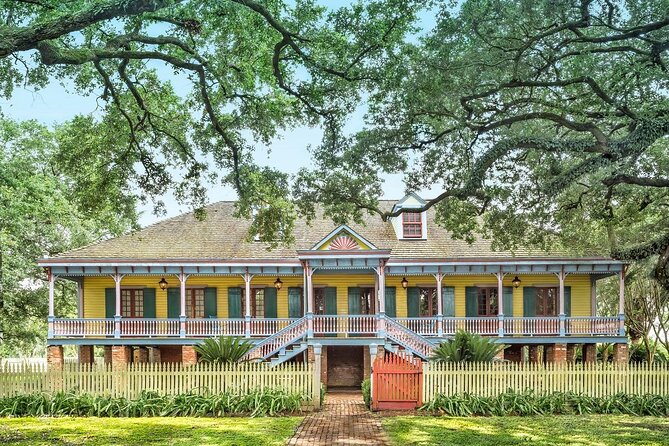
Laura Plantation was founded in 1804 by the French-descended Duparc family. Four generations lived here, and their story is part of a broader history shaped by French, African, and American influences. Creole culture developed over more than two centuries in Louisiana, and this tour uses one family’s experience to make that history concrete.
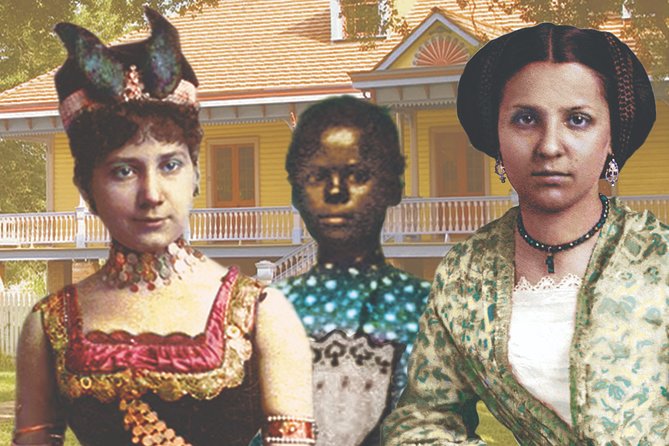
The plantation’s surviving records are unusually useful for telling its story. Some details come from the memoir of Laura Locoul, a fourth-generation family member, while other material was found in the French National Archives. That paper trail lets guides go beyond the house’s age and architecture to discuss individual people and the choices, work, and power that defined life on the estate.
Laura is listed on the National Register of Historic Places and the Louisiana African American Heritage Trail. Those designations are not a substitute for a good tour, but they help explain why the site matters beyond its photogenic buildings. The central subject is the plantation’s operation and the people whose lives were tied to it, including the enslaved people who built and maintained the property.
I find that focus valuable. A house tour can easily become a parade of furnishings and family anecdotes. At Laura, the aim is to connect the owners’ lives with the lives of the people they enslaved. The quality and emphasis of that account can vary with the guide, so it is worth listening closely and asking questions when there is an opening.
From the Great River Road to the plantation grounds
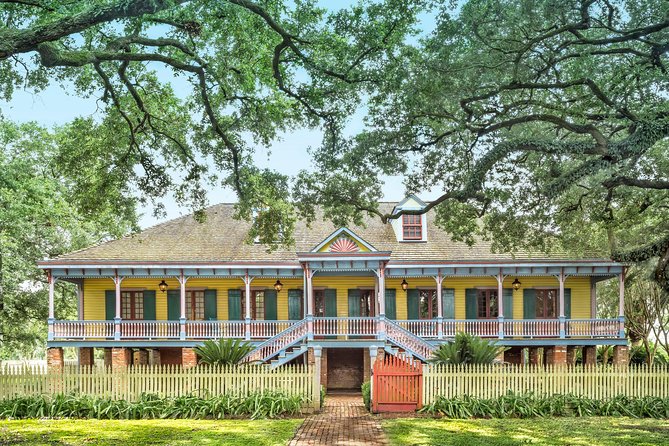
The meeting point is Laura Plantation, at 2247 LA-18 in Vacherie. From New Orleans, the drive takes about an hour, following the Great River Road along the Mississippi. The route makes the plantation an easy day trip by car, but it is not a quick hop from the city center.
No hotel pickup or drop-off is included. Laura Plantation works with independent transportation operators for people who cannot drive themselves, but those services have separate costs and prices can vary. If you are relying on a ride, check the full transportation price before booking the tour. One visitor found the ride cost more than the admission, a useful reminder that the $32.06 tour price is only one part of your day’s budget.
The grounds have parking for cars and buses, and the site is set up to receive both. Confirmation is provided when you book, and the experience is offered in English and French daily. The tour covered here is offered in English.
The group limit is 28. That is small enough for a guide to address questions, though it is still a group tour, not a private visit. If asking about family life, plantation work, or Creole identity matters to you, bring your questions and take advantage of the chance to ask them.
More plantation tours in New Orleans:
- Swamp Boat Ride and Oak Alley Plantation Tour from New Orleans
★ 5.0 · 3,303 reviews - Oak Alley Plantation Tour with Transportation from New Orleans
★ 4.5 · 1,747 reviews - Whitney Plantation Tour with Transportation from New Orleans
★ 4.5 · 1,351 reviews
Inside the 24,000-square-foot main house
The guided visit starts with the Maison Principale, the furnished main house. At 24,000 square feet, it is a substantial building, and the interiors help show the contrast between the family’s domestic world and the labor that kept the plantation running. Architecture is part of the story here: the house reflects the family’s position and the Creole setting in which it was built.
Guides bring out the personal details and personalities of the plantation owners, rather than treating the house as a collection of rooms. Visitors have praised guides including Amelia, Pam, Lee, Cameron, Joseph, Caroline, and Lindie for their command of the period and their ability to make the account engaging. Guide assignments can change, so treat those names as examples, not a promise that a particular person will lead your tour.
The tour moves at a set pace, and the house is not a place where you can wander back through rooms at leisure once the group has moved on. Take a moment to look carefully as you go. If a detail catches your eye, ask about it then rather than counting on returning later for a closer look.
Only the ground floor of the main house is ADA accessible. If you have mobility needs, contact the site before you go to confirm what parts of the full route will work for you. Good walking shoes are a sensible choice, since part of the tour is outdoors and the visit includes more than the house.
The cabins and the history of enslavement
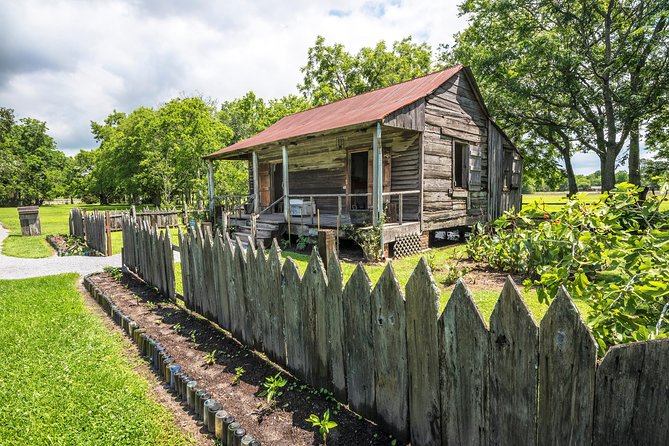
The original 1840s slave cabins are among the most important parts of the visit. They shift the focus from the family’s home to the conditions and lives of enslaved people on the plantation. This is not an optional footnote to the story: the tour covers people who were enslaved as well as those who were free.
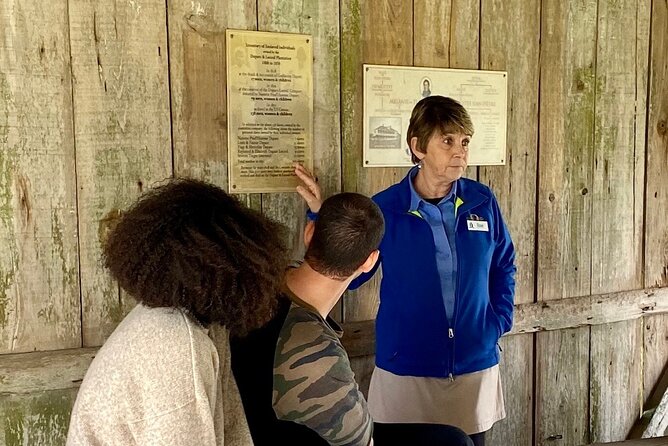
The subject is painful, and the site says it addresses slavery in French colonial and American Louisiana through the end of the 19th century. Some guides have drawn strong praise for explaining the contrast between the owners’ lives and those of the people they enslaved. Others have left visitors wanting more detail about day-to-day life in the cabins and the experience of enslaved people and their descendants.
That difference matters if you are choosing this tour for its treatment of slavery. Laura has been working to add more stories and experiences of enslaved people to its account, but you should not assume that every guide will emphasize the same details or that a short tour can cover every aspect of plantation slavery. Ask direct questions about daily work, family life, resistance, and what the surviving records can and cannot tell us.
I appreciate that the visit does not reduce the story to the architecture or the owning family. The cabins put the limits of a house-centered tour into view, too. There is only so much a 70-minute visit can do, so if you want a fuller account of African American history at the site, leave time for the separate museum as well. It is not part of the guided tour.
Gardens, sugar fields, and the plantation as a workplace
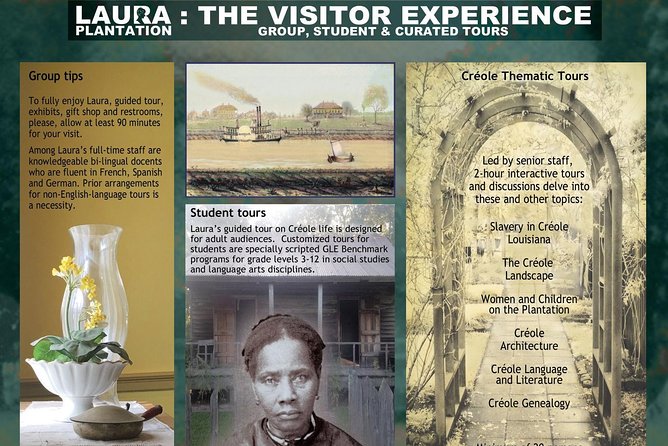
The grounds include intricate gardens and sugar fields, and the guided route takes you outdoors. These areas help explain the estate as a working plantation as well as a family residence. The gardens show the cared-for domestic setting; the sugar fields point toward the agricultural business and labor behind the family’s wealth.
This contrast is one reason the tour is more than an architectural visit. The same estate held formal rooms, cultivated grounds, and work spaces shaped by slavery. A guide who connects these parts helps you see how the plantation functioned, rather than leaving you with separate impressions of a beautiful garden and an old house.
The outdoor portion also means the weather matters. Laura operates in all weather conditions, so dress for the forecast and wear shoes suited to walking. If severe weather forces a cancellation, you will be offered another date or a full refund.
After the guided portion, you can continue exploring other plantations along the Great River Road. The Laura tour itself ends back at the meeting point. The provided details do not specify an open-ended period to roam the grounds afterward, so ask staff about what remains accessible before you plan a long independent visit.
More guided tours in New Orleans:
- Guided Boat Tour of New Orleans Bayou
★ 4.5 · 1,452 reviews - Houmas House Estate and Gardens Guided Tour
★ 4.5 · 632 reviews - New Orleans: Guided Swamp Cruise by Tour Boat
★ 4.7 · 570 reviews - New Orleans: Garden District Guided Walking Tour
★ 4.9 · 514 reviews
How the 70 minutes are best spent
The visit is short enough to fit into a day trip, but it moves through several different subjects: the family, Creole culture, architecture, slavery, and plantation work. Think of it as a guided introduction rather than a full-day examination of Louisiana history. The guide’s narrative is the spine of the visit, and the buildings and outdoor areas give that account physical context.
Because the tour does not give you a second pass through the house, avoid treating the first rooms as a photo stop that can wait. Look and listen as you go, and take photos where appropriate without losing the guide’s thread. One practical tip from people who have been there: you may not get to return for a closer look once the group moves on.
Questions can make a difference. The tour is built around a specific family and estate, but its themes reach beyond Laura. Ask how the plantation’s records describe the enslaved people who lived there, what the guide can establish about everyday life, and how Creole culture shaped the family and community. A good question can help you understand both what is known and what the historical record leaves out.
Is $32.06 a fair price?
At $32.06 per person, the price buys a roughly 70-minute guided tour led by a local guide. You are paying for interpretation and access to a historic site, not transportation from New Orleans, food, or drinks. The price feels reasonable if you value a guide-led account and want to see the main house, gardens, and original cabins in one visit.
The value is less straightforward if you are not driving. An independent ride can cost more than the admission, and the plantation does not control the prices charged by transportation providers. Calculate the door-to-door cost before you commit, especially if you are comparing Laura with other historic sites closer to New Orleans.
The experience is also a stronger fit for someone who wants a focused introduction than for someone hoping to spend hours examining every room and building at their own pace. The group is limited to 28, but the pace is still shaped by the guide and the schedule. If flexibility and time for independent study are your priorities, make room for the separate museum and consider how much of the day you want to devote to the plantation.
Free cancellation is available up to 24 hours before the start time. Cancellations made less than 24 hours ahead are not refunded, and changes within that window are not accepted. Book with enough time to arrange transportation, but keep the cancellation cutoff in mind.
Who should book the Laura Plantation tour?
I’d book this tour if you want to understand how a Louisiana Creole family lived and how that life depended on enslaved labor. The strongest parts are the mix of family records, the original cabins, and a guide-led route through the house and grounds. It is especially worthwhile if you plan to ask questions and treat the visit as a history lesson, not just a scenic stop.
It may be a less satisfying choice if you need included transportation, want a long and unhurried visit, or expect every detail of enslaved people’s daily lives to be covered in 70 minutes. The site is about an hour from New Orleans, and the tour’s pace can leave little time to revisit a room or outdoor feature.
For a practical plan, book ahead if you have a specific day in mind, arrange your own transport, wear walking shoes, and set aside time for the separate museum if African American history is your main interest. With those expectations, Laura offers a thoughtful, place-specific look at Louisiana’s past and the people who shaped it.
FAQ
How long does the Laura Plantation tour last?
The guided tour lasts about 1 hour and 10 minutes.
How much does the tour cost?
The listed price is $32.06 per person. Transportation, hotel pickup, and drop-off are not included.
Where does the tour begin?
It begins at Laura Plantation, 2247 LA-18, Vacherie, Louisiana 70090. The tour ends back at the meeting point.
What does the guided tour include?
The tour includes the furnished Maison Principale, the gardens, and original 1840s slave cabins. The experience also covers the plantation’s family history and Creole culture.
Is transportation from New Orleans included?
No. You make your own way to the plantation, about an hour’s drive from New Orleans. The plantation partners with independent transportation operators, but their services have separate costs.
Is the tour accessible to wheelchair users?
Only the ground floor of the main house is ADA accessible. A portion of the tour takes place outdoors, so contact the site before booking if you need details about the full route.
What should I wear?
Good walking shoes are suggested. The tour operates in all weather, and part of it takes place outdoors, so dress for the conditions.
Can I cancel for a refund?
Yes, if you cancel at least 24 hours before the start time. Cancellations made less than 24 hours before the experience are not refunded.
Newest tours in New Orleans
- New Orleans : Garden District Architecture Walking tour★ 4.8 · 5 reviews
- Ultimate Denver Day Out: Red Rocks, City Views & Ice Cream★ 5.0 · 7 reviews
- True Voodoo History of NOLA’s Congo Square with Local Guide★ 4.9 · 16 reviews
- From New Orleans: Whitney and Laura Guided Plantation Tour★ 4.9 · 20 reviews
- Witches Coven Walking Tour in New Orleans★ 5.0 · 49 reviews
- Treme Bar Crawl & Seafood Experience★ 4.2 · 7 reviews
- Craft brewery hopping through New Orleans | Uptown★ 5.0 · 31 reviews
- New Orleans Self-Guided Kayak Bayou Swamp Tour★ 5.0 · 9 reviews
New Orleans Plantation Tours, compared.
Swamp Boat Ride and Oak Alley Plantation Tour from New Orleans
Read our review →
Oak Alley Plantation Tour with Transportation from New Orleans
Read our review →
Whitney Plantation Tour with Transportation from New Orleans
Read our review →
Airboat and Plantations Tour with Gourmet Lunch from New Orleans
Read our review →
Bayou Swamp Tour and Oak Alley Plantation Tour
Read our review →
Oak Alley Plantation & Airboat Swamp Combo Tour
Read our review →
Oak Alley Plantation and Large Airboat Swamp Tour from New Orleans
Read our review →
Browse the lists this tour appears in