
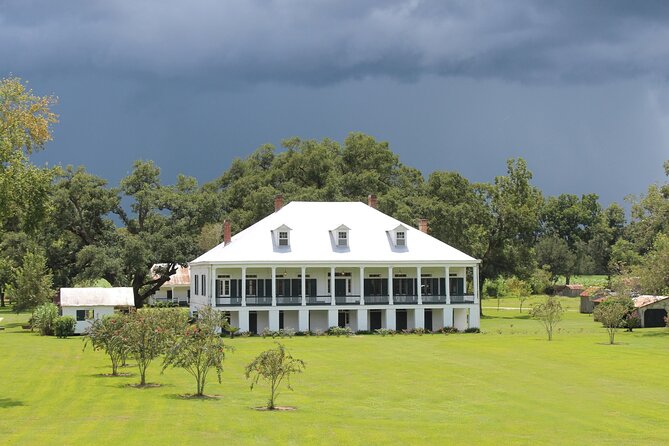
Reviewed · NEW ORLEANS PLANTATION TOURS
St. Joseph and Felicity Plantation Combo Tour
The appeal here is the chance to see two working sugarcane plantations in one visit, including plantation houses, original outbuildings, and cabins where enslaved people lived. I like that the experience puts the machinery and economics of sugarcane alongside the human history, rather than treating the houses as the whole story.
I also like the personal, unhurried guiding described by visitors who toured with Mike, Sharon, and Jamie. One consideration: this is an outdoor plantation visit, and the experience requires good weather. It also involves two tours, so allow roughly three hours rather than planning a quick stop.
Key points
- One ticket covers both plantations: Visit St. Joseph and Felicity in Vacherie, Louisiana.
- Each tour lasts about 45 minutes: The full experience takes roughly three hours.
- The history includes enslaved people: Original cabins and outbuildings help put plantation life in context.
- A sugarcane museum adds practical detail: Historic tools, photographs, and documents explain cultivation.
- Guides can make the visit personal: Mike, Sharon, and Jamie are among the guides visitors have named.
- Film locations are part of the setting: You may recognize places used in 12 Years a Slave and other films.
Two plantations, one visit
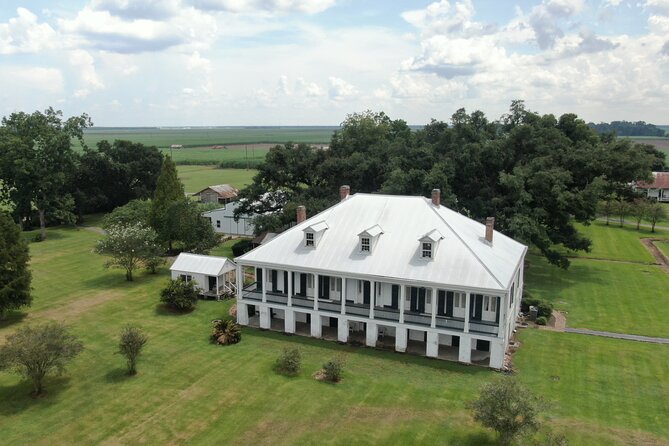
St. Joseph and Felicity offer a different kind of plantation visit from a single-house tour. You see two distinct sites on the same outing, with preserved homes, original outbuildings, working sugarcane fields, and a museum devoted to the crop that shaped the local economy.
The experience is in Vacherie, Louisiana, and takes about three hours. Each plantation tour lasts roughly 45 minutes, so there is time to look around and hear context without making the visit an all-day commitment.
That combination is the main value. A single ticket covers admission to both properties, and the different houses and grounds give you more than one view of plantation life and architecture.
The visits are guided in English. Guides provide stories and historical context, and the tone can be conversational: one visitor described Mike taking his time with a small group, while Sharon and Jamie were praised for being friendly and clear about what they knew and what they could only suggest.
More plantation tours in New Orleans:
- Swamp Boat Ride and Oak Alley Plantation Tour from New Orleans
★ 5.0 · 3,303 reviews - Oak Alley Plantation Tour with Transportation from New Orleans
★ 4.5 · 1,747 reviews - Whitney Plantation Tour with Transportation from New Orleans
★ 4.5 · 1,351 reviews
St. Joseph’s house and grounds
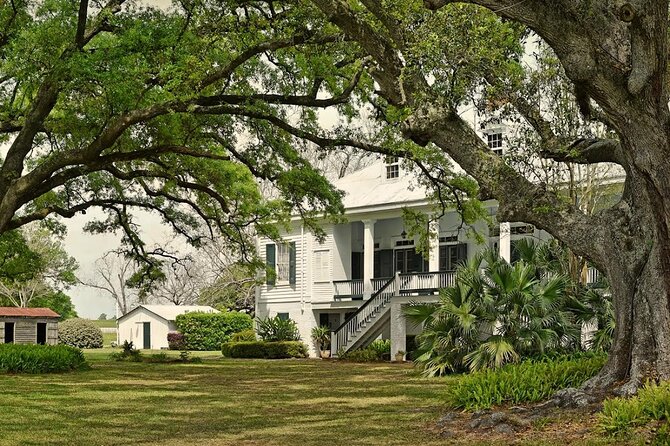
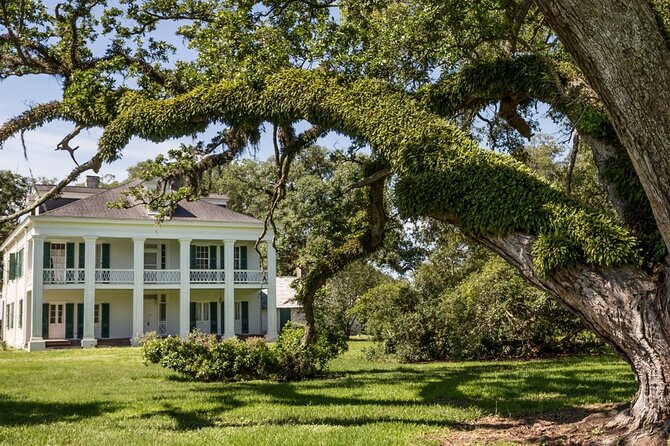
At St. Joseph, the tour takes you through a preserved plantation house, where furnishings, architecture, and décor offer clues to life in the 19th and 20th centuries. The house is worth seeing, but it is only one part of the story. The grounds and outbuildings help show how a plantation functioned beyond its most polished rooms.
St. Joseph is still owned by descendants of the original owner, according to a visitor who compared it with nearby Oak Alley. That continuity may help explain why the property feels less like a formal museum and more like a lived-in historic site. It is a useful distinction if you want a highly polished presentation, but prefer a less staged setting.
You may also be able to take photographs inside and outside the homes. That detail can matter if you like to record the architecture and furnishings, though it is still wise to follow the guide’s instructions on site.
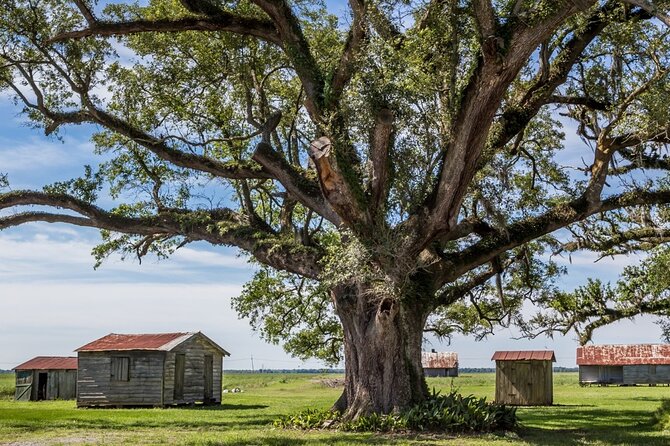
The plantation’s grounds include original outbuildings and cabins once inhabited by enslaved workers. These structures are essential to the visit. They shift attention from the owners’ home to the people whose labor sustained the plantation, and they give guides a place to discuss the realities behind the property’s wealth.
Felicity Plantation and the sugarcane story
Felicity is paired with St. Joseph as a second plantation stop, not simply a brief extra photo opportunity. You’ll see another preserved house and more of the grounds, with guides adding context about local history, culture, and architecture.
Together, the two sites let you compare how plantation houses were furnished and arranged across the 19th and 20th centuries. The contrast is useful even if you are not an architecture specialist. A room’s materials, layout, and décor can tell you about status and daily life, while the outbuildings point toward the labor and systems that supported it.
The Louisiana Sugarcane Museum adds a practical layer to the visit. Historic tools, photographs, and documents show how sugarcane was cultivated, making the crop’s role easier to understand than a general description of plantation agriculture would.
That subject matters because these are working sugarcane plantations. The museum connects the landscape and the houses to the process of growing and producing sugar, while the guides can place that work in a wider historical and cultural context.
Remembering the people who were enslaved
A plantation visit asks you to look at attractive buildings and painful history at the same time. Here, original cabins and other outbuildings help keep enslaved people in the frame. They are not decorative extras; they are places tied to people’s lives and forced labor.
I value the chance to hear that history in the same setting where it happened. The houses alone can make plantation life seem like a story about architecture and wealthy owners. The cabins and the sugarcane exhibits help explain who did the work and how the plantation economy operated.
The guides’ approach also matters. Sharon and Jamie were described as careful about distinguishing established facts from possibilities, while Mike was praised for taking time with the tour. That kind of care is important on a subject where uncertainty should be named rather than covered over with a confident-sounding guess.
Expect the visit to be educational, not a simple scenic stroll. The grounds and homes are part of the experience, but so is listening to difficult history. If you want to understand the region beyond grand façades and familiar movie scenes, this is one of the more meaningful parts of the tour.
Same city, a different kind of day:
- New Orleans Premier Ghost, Voodoo and Vampire Walking Tour
★ 4.5 · 12,856 reviews - New Orleans Steamboat Natchez Jazz Cruise with Dinner Option
★ 4.0 · 7,533 reviews - Adults-Only New Orleans Ghost, Crime, Voodoo, and Vampire Tour
★ 5.0 · 6,545 reviews - New Orleans Food Walking Tour of the French Quarter with Small-Group Option
★ 5.0 · 6,118 reviews
A quieter contrast with Oak Alley
St. Joseph and Felicity are close to Oak Alley, and some people combine the sites in one day. The experiences are notably different. Oak Alley is larger and more museum-like, while St. Joseph and Felicity feel more personal and less formally arranged.
That difference is not a matter of one being universally better. If you prefer a carefully presented historic site with a more traditional museum atmosphere, Oak Alley may suit you. If you want smaller-scale tours and the chance to spend time in two homes and their surrounding outbuildings, St. Joseph and Felicity may be the better fit.
The tour can also feel especially personal when the group is small. One person described being the only participant and having a private tour. That is a possibility, not a guarantee, so book for the sites and guiding rather than counting on a one-to-one experience.
Film locations are another point of interest. You may recognize places used in 12 Years a Slave and other films. Treat this as an extra, not the main reason to come: the setting is more than a movie backdrop, and the history deserves attention beyond identifying a scene.
Is the $46 ticket good value?

At $46 per person, the price covers admission to both St. Joseph and Felicity. For about three hours of guided visits, two plantation houses, original outbuildings, and the sugarcane museum, that is a solid amount of history in one ticket.
The value is strongest if you want context, not just access to the grounds. A guide connects what you see to the region’s culture, architecture, sugarcane trade, and enslaved labor. Without that explanation, the houses and tools could be easy to look at without understanding how they fit together.
The tour is also a practical choice if you already plan to visit a plantation near Oak Alley. The two properties offer different atmospheres, so this combo can add a more personal, less museum-like experience to a day that includes a larger site.
One point to keep in mind: the listed duration is approximate, and the experience requires good weather. There is no transportation information included here, so check how you will reach the plantations before building the rest of your day around the tour.
Who will get the most from this tour?

I’d recommend this experience if you want to learn about plantation life from more than one angle. The combination of house tours, cabins, grounds, and sugarcane exhibits gives you a fuller picture than a visit focused only on a grand home.
It should suit history-minded visitors, people interested in Louisiana architecture and agriculture, and anyone who wants a guided explanation of the region’s plantation past. The named guides have been praised for clear, personal presentations, and their willingness to mark uncertainty is a welcome quality.
It may be less suitable if you want a very quick stop or a purely scenic outing. Two guided visits take time, and the subject includes the realities of slavery. You can enjoy the architecture and film connections, but they sit alongside a serious account of the people forced to work there.
Most travelers can participate, and service animals are allowed. The tour is offered in English. If the weather is poor enough for the experience to be canceled, you will be offered another date or a full refund; otherwise, cancellations made at least 24 hours before the start time qualify for a full refund.
Should you book St. Joseph and Felicity?
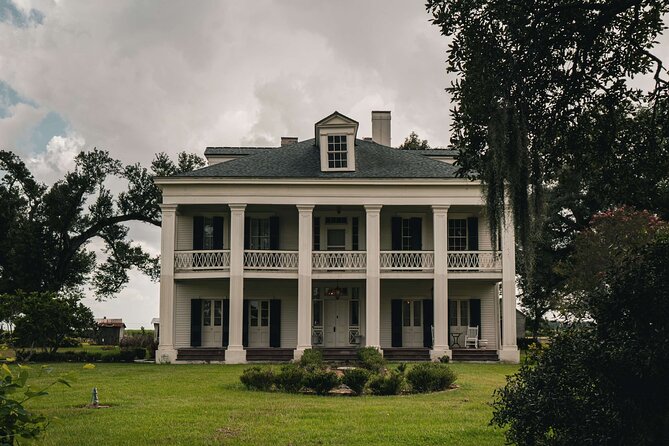
Book it if you want a guided, three-hour look at two working sugarcane plantations, with the houses balanced by cabins, outbuildings, and an agricultural museum. The appeal is not just seeing two properties, but hearing local guides connect the architecture and sugarcane trade to the lives of enslaved people.
If you are choosing between this and a larger, more formal plantation museum, consider what kind of visit you want. St. Joseph and Felicity offer a smaller-scale, more personal feel, and they pair especially well with a visit to nearby Oak Alley. For a thoughtful plantation visit with useful historical context, this combo is a strong choice.
FAQ
How long does the tour take?
The experience takes about three hours in total. Each plantation tour lasts roughly 45 minutes.
What is included in the ticket?
One ticket covers admission to both St. Joseph and Felicity plantations.
Where are the plantations?
Both plantations are in Vacherie, Louisiana.
What language is the tour offered in?
The tour is offered in English.
What can I see during the visit?
You’ll tour preserved plantation houses and grounds, see original outbuildings and cabins once inhabited by enslaved workers, and visit the Louisiana Sugarcane Museum. The museum displays historic tools, photographs, and documents about sugarcane cultivation.
Are service animals allowed?
Yes. Service animals are allowed, and most travelers can participate.
What is the cancellation policy?
You can cancel up to 24 hours before the experience starts for a full refund. Cancellations made less than 24 hours before the start time are not refunded. If poor weather cancels the experience, you’ll be offered a different date or a full refund.
Newest tours in New Orleans
- New Orleans : Garden District Architecture Walking tour★ 4.8 · 5 reviews
- Ultimate Denver Day Out: Red Rocks, City Views & Ice Cream★ 5.0 · 7 reviews
- True Voodoo History of NOLA’s Congo Square with Local Guide★ 4.9 · 16 reviews
- From New Orleans: Whitney and Laura Guided Plantation Tour★ 4.9 · 20 reviews
- Witches Coven Walking Tour in New Orleans★ 5.0 · 49 reviews
- Treme Bar Crawl & Seafood Experience★ 4.2 · 7 reviews
- New Orleans Self-Guided Kayak Bayou Swamp Tour★ 5.0 · 9 reviews
- Whitney Plantation and Soul of New Orleans City Tour Combo★ 5.0 · 13 reviews
New Orleans Plantation Tours, compared.
Swamp Boat Ride and Oak Alley Plantation Tour from New Orleans
Read our review →
Oak Alley Plantation Tour with Transportation from New Orleans
Read our review →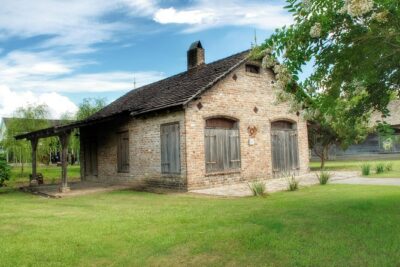
Whitney Plantation Tour with Transportation from New Orleans
Read our review →

Airboat and Plantations Tour with Gourmet Lunch from New Orleans
Read our review →
Bayou Swamp Tour and Oak Alley Plantation Tour
Read our review →
Oak Alley Plantation & Airboat Swamp Combo Tour
Read our review →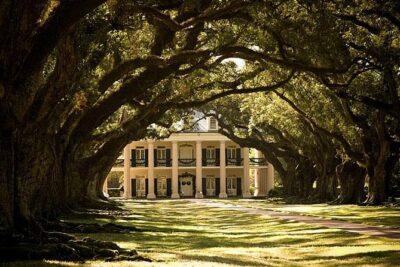
Oak Alley Plantation and Large Airboat Swamp Tour from New Orleans
Read our review →Browse the lists this tour appears in