Reviewed · NEW ORLEANS TOURS
New Orleans: Pestilence and Plagues Guided Tour
New Orleans’ epidemic history gives the French Quarter a different kind of tour: one about the diseases that swept through the city, the conditions that helped them spread, and the people who tried to contain them. Along the way, your guide connects yellow fever, cholera, mosquitoes, and local beliefs to the streets around you.
I like that this walk pairs specific public-health history with stories of resilience, rather than stopping at grim statistics. I also like its compact route: about one mile over two hours, with a guide who can point out other places to see and help you plan what to do next.
The main consideration is the subject matter. Epidemics, contagious illness, and death are central to the tour, and the discussion may feel heavy. The walk also takes place rain or shine and may run longer than two hours, so leave some space in your schedule.
At a glance
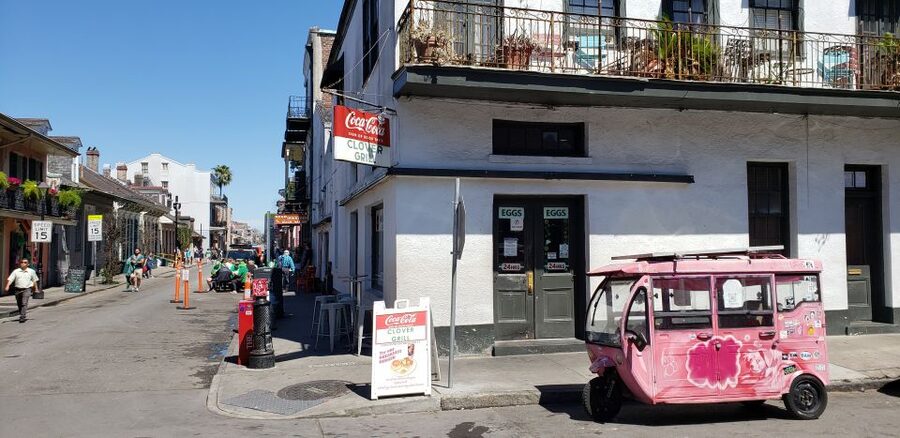
- The route stays in the French Quarter: Meet in front of the activity provider’s store on Toulouse Street, then explore areas tied to the city’s epidemic history.
- Disease is the subject, not a backdrop: Expect stories about yellow fever, cholera, mosquitoes, unsanitary conditions, and how outbreaks affected New Orleans.
- The tour looks at belief as well as medicine: Your guide discusses unconventional medical practices and the roles of voodoo and religion in attempts to manage disease.
- The walk is short in distance, long on explanation: The route covers about one mile in two hours, with the possibility of running over.
- Guide choice can shape the experience: Dane and Delvin are two guides associated with the tour. The guide working on your date may vary.
- Plan for the weather and the subject: Wear comfortable shoes, bring rain protection if needed, and note that video recording is not allowed.
A French Quarter walk with a less familiar focus
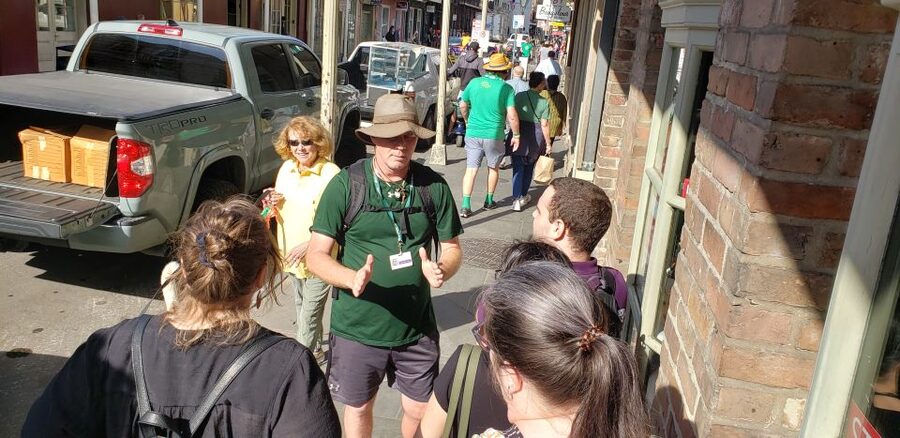
The French Quarter is often introduced through architecture, food, music, and the city’s layered cultural life. This tour shifts the lens to the epidemics that repeatedly threatened its residents. That change matters: familiar streets become a setting for understanding what life was like when contagious disease could spread quickly and medical knowledge was limited.
The walk is led by a professional English-speaking guide, and the format is conversational rather than a museum visit. You move through the Quarter while hearing how outbreaks affected the city, what conditions allowed them to take hold, and how people tried to respond. The tour’s subject gives ordinary urban details a practical purpose: you are not just looking at a historic district, but considering how a city’s living conditions can shape public health.
The tour does not promise a clinical lecture. Its appeal is the combination of history and human response: the spread of illness, the choices people made, and the recovery that followed. If you are curious about the less polished chapters of New Orleans history, that is a useful counterpoint to the city’s more familiar stories.
More guided tours in New Orleans:
- Guided Boat Tour of New Orleans Bayou
★ 4.5 · 1,452 reviews - Laura Creole Plantation Guided Tour
★ 5.0 · 1,279 reviews - Houmas House Estate and Gardens Guided Tour
★ 4.5 · 632 reviews
Starting on Toulouse Street
Your meeting point is in front of the activity provider’s store on Toulouse Street. Arrive ready to walk, with comfortable shoes and any weather gear you need. The tour runs rain or shine, so a wet forecast is not a reason to assume it will be postponed.
From the start, the guide sets the frame: this is a tour about pestilence and plagues in the Crescent City, not a general introduction to every part of New Orleans history. The focus includes yellow fever, cholera, and other diseases, with attention to how infection spread and how the city coped. You can expect the guide to place the stories in the streets around you rather than treating the Quarter as a string of unrelated stops.
The route details are not fixed in the information available for this experience, so do not book expecting a published list of specific buildings or addresses. The value lies in the guide’s interpretation of the area and the links made between city life, outbreaks, and recovery.
Following the story of disease through the Quarter
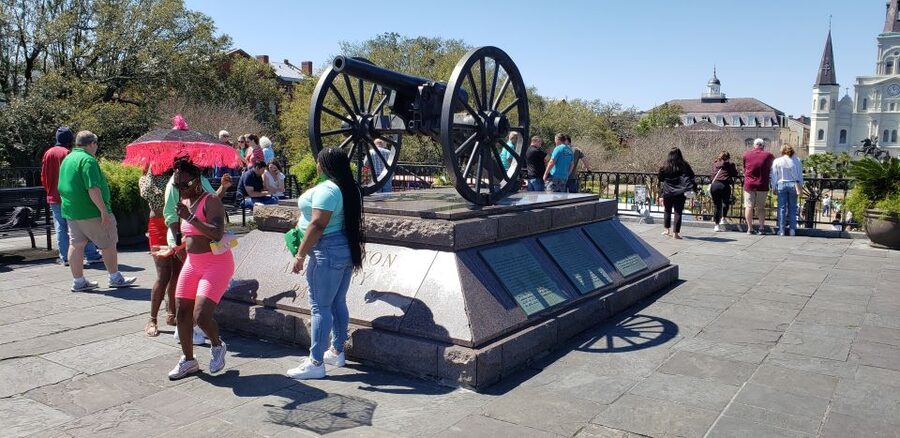
As you walk, the tour explores areas where disease ran rampant and explains the conditions that contributed to outbreaks. The account includes squalid living conditions, infectious mosquitoes, and the ways illnesses such as yellow fever and cholera spread. This is the part that helps turn a broad history lesson into something rooted in place.
A good guide can make a serious subject clear without flattening it into a list of dates and deaths. That seems to be a particular strength of this experience: the tour is meant to be informative, but it also allows room for lively storytelling and occasional fun facts. Guides Dane and Delvin have been associated with engaging presentations, though the guide roster can change. If you are booking because of a particular guide, check who is leading your date rather than assuming you will get the same person.
The pace should suit people who want time to listen and ask questions. One mile in two hours is not a strenuous route, but the tour may take longer than its allotted time. That extra time can be welcome if the discussion is holding your interest; it can be inconvenient if you have a tight dinner reservation or another timed activity immediately afterward.
Medicine, faith, and attempts to cope
The tour does not limit itself to how disease spread. It also covers unconventional medical practices and the role of voodoo and religion in attempts to contain outbreaks. That subject calls for care and context. Rather than treating local beliefs as a curiosity, the useful question is what they meant to people facing danger and uncertainty.
This mix gives the walk more range than a simple account of contagion. You hear about the physical conditions behind outbreaks, but also the ways people sought help, meaning, or protection when reliable medical options were limited. The goal is not to present every historic response as effective by modern standards. It is to understand how New Orleanians confronted crises with the tools and beliefs available to them.
The tone may include dark stories, but the tour also emphasizes resilience and recovery. That balance is important. A two-hour account of epidemics could easily become a catalogue of tragedy; the focus on how the city coped gives the history a human ending and helps explain why these events matter beyond their death tolls.
Same city, a different kind of day:
- New Orleans Premier Ghost, Voodoo and Vampire Walking Tour
★ 4.5 · 12,856 reviews - New Orleans Steamboat Natchez Jazz Cruise with Dinner Option
★ 4.0 · 7,533 reviews - Adults-Only New Orleans Ghost, Crime, Voodoo, and Vampire Tour
★ 5.0 · 6,545 reviews - New Orleans Food Walking Tour of the French Quarter with Small-Group Option
★ 5.0 · 6,118 reviews
Ending in the heart of the French Quarter
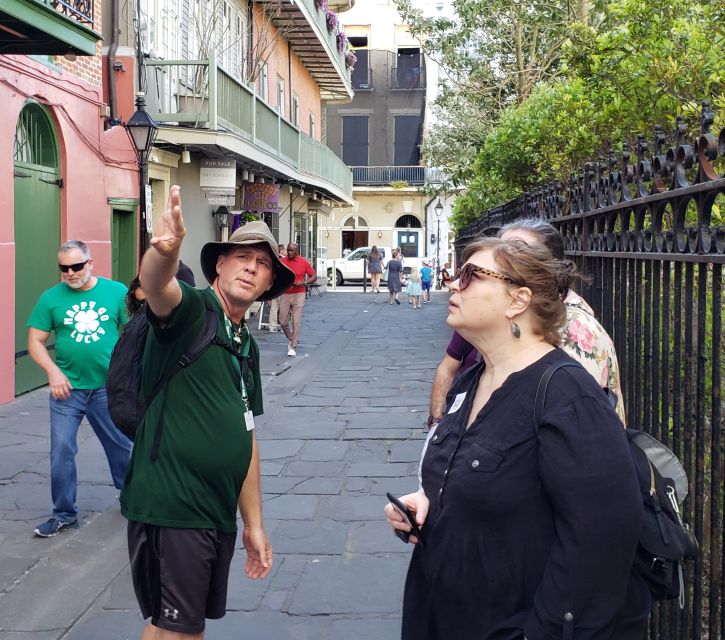
The walk ends in the heart of the French Quarter, leaving you well placed to continue exploring on your own. You can ask your guide for directions or recommendations for what to see next. That is a practical bonus, especially if this is one of your first activities in the city and you want suggestions grounded in the neighborhood you have just walked through.
The guide may also point out other places of interest along the way. Treat those extra tips as useful orientation rather than a promise of a full sightseeing tour. The main purpose remains the epidemic history, but local suggestions can help you connect this walk with the rest of your day.
Because the endpoint is in the Quarter, it makes sense to keep your plans flexible afterward. The tour may run over, and the walking itself is short enough that you may still want to spend more time in the area. If you have a strict schedule, avoid booking a meal or ticketed attraction immediately after the stated finish.
Is $37 good value?
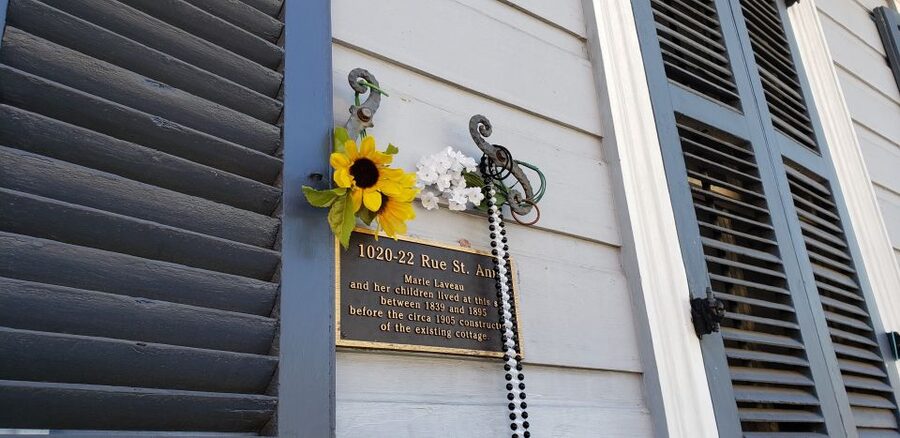
At $37 per person, this is a specialist walking tour, not a broad overview of the city. You are paying for a professional guide and two hours of interpretation about a subject that is easy to miss if you explore the Quarter on your own. For someone interested in public health, local history, or the harder side of urban life, the price can represent good value.
The tour’s short distance is also part of the value calculation. You cover about one mile, so the fee is not for a long hike or a large number of attractions. It is for the stories and context that help make the streets meaningful. If you prefer to move quickly through landmarks or want a general introduction to New Orleans, another kind of tour may better fit your priorities.
The experience has earned high marks for its guides and for making the material engaging. Names associated with the tour include Dane and Delvin, with descriptions of their style emphasizing lively delivery, historical context, and useful local pointers. A strong guide matters more than usual here because the subject depends on clear explanation, sensitivity, and an ability to connect past events with the place you are standing.
Who will appreciate this tour
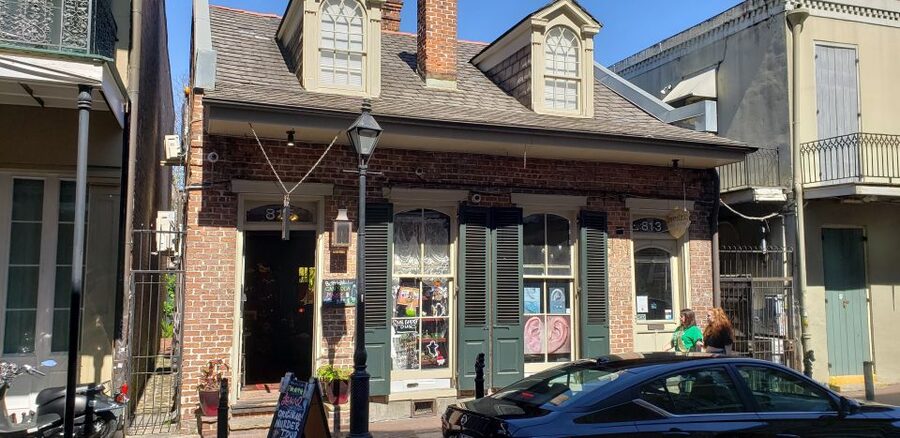
I would choose this tour if you enjoy history that asks how people lived, what went wrong, and how communities responded. It is a good fit for curious adults, history buffs, and anyone who wants a different angle on the French Quarter than food, architecture, or music alone. It can also work well as a compact addition to a day of exploring, provided you are comfortable with serious subject matter.
It may be less suitable if you are looking for a lighthearted stroll or a broad survey of New Orleans. Disease, death, and difficult living conditions are not side notes here. The presentation may include fun facts, but the core topic remains epidemics and their consequences.
The walk is listed as wheelchair accessible, and its total distance is about one mile. If you have specific access needs, it is sensible to confirm that the route and conditions on your date will work for you. Video recording is not allowed, so plan to listen and take written notes if you want to remember details.
Should you book it?
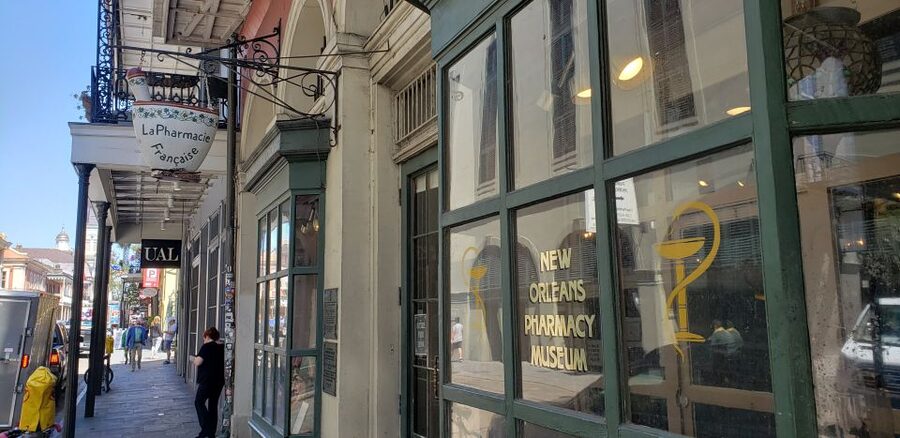
Book the Pestilence and Plagues Guided Tour if you want a focused, human account of how epidemics shaped New Orleans and you are ready for a sobering subject. The combination of disease history, unconventional medicine, faith, and recovery gives the French Quarter a fresh context, while the guide can add useful pointers for the rest of your visit.
Skip it if you want a general city introduction, a light stroll, or a tightly timed activity. At $37, it is most worthwhile when the topic genuinely interests you and you can give the guide two unhurried hours. Bring comfortable shoes, dress for the weather, and leave breathing room in your schedule.
FAQ
How long is the tour?
The tour lasts about two hours, though it may run over the allotted time.
How far will I walk?
The total distance is about one mile.
Where do I meet the guide?
Meet in front of the activity provider’s store on Toulouse Street.
What language is the tour in?
The live tour is in English.
Is the tour wheelchair accessible?
Yes, the tour is listed as wheelchair accessible.
Can I record video during the tour?
No. Video recording is not allowed.
Newest tours in New Orleans
- New Orleans : Garden District Architecture Walking tour★ 4.8 · 5 reviews
- Ultimate Denver Day Out: Red Rocks, City Views & Ice Cream★ 5.0 · 7 reviews
- True Voodoo History of NOLA’s Congo Square with Local Guide★ 4.9 · 16 reviews
- From New Orleans: Whitney and Laura Guided Plantation Tour★ 4.9 · 20 reviews
- Witches Coven Walking Tour in New Orleans★ 5.0 · 49 reviews
- Treme Bar Crawl & Seafood Experience★ 4.2 · 7 reviews
- New Orleans Self-Guided Kayak Bayou Swamp Tour★ 5.0 · 9 reviews
- Whitney Plantation and Soul of New Orleans City Tour Combo★ 5.0 · 13 reviews
New Orleans Tours, compared.
New Orleans Premier Ghost, Voodoo and Vampire Walking Tour
Read our review →
New Orleans Steamboat Natchez Jazz Cruise with Dinner Option
Read our review →
Adults-Only New Orleans Ghost, Crime, Voodoo, and Vampire Tour
Read our review →
New Orleans Food Walking Tour of the French Quarter with Small-Group Option
Read our review →
New Orleans Swamp and Bayou Boat Tour with Transportation
Read our review →
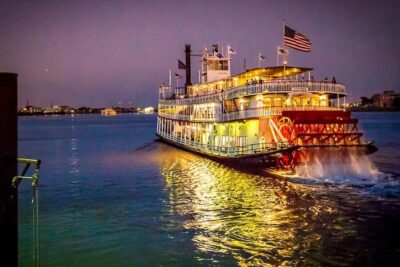
Evening Steamboat Jazz Cruise + Optional Dinner
Read our review →