

Reviewed · NEW ORLEANS PLANTATION TOURS
New Orleans: Whitney Plantation Tour with Transportation
Whitney Plantation does something many plantation visits do not: it puts the history of enslaved people at the center, rather than treating slavery as a footnote to the Big House. The self-paced audio tour moves through memorials, historic buildings, and personal narratives, making this a serious, often emotional visit.
I like two things about this outing: you get round-trip transport from central New Orleans, and the ride itself can be an informal lesson in Louisiana, with drivers pointing out plantations and discussing local history. At Whitney, the audio format lets you pause, listen again, and spend time where you need it.
The main consideration is pace. The Whitney visit is self-guided, and two hours can feel tight if you want to read every panel, hear every stop, and browse the shop. The listed duration is also inconsistent, so check the exact schedule before you book, especially if you choose the swamp add-on.
Key points to know before you go
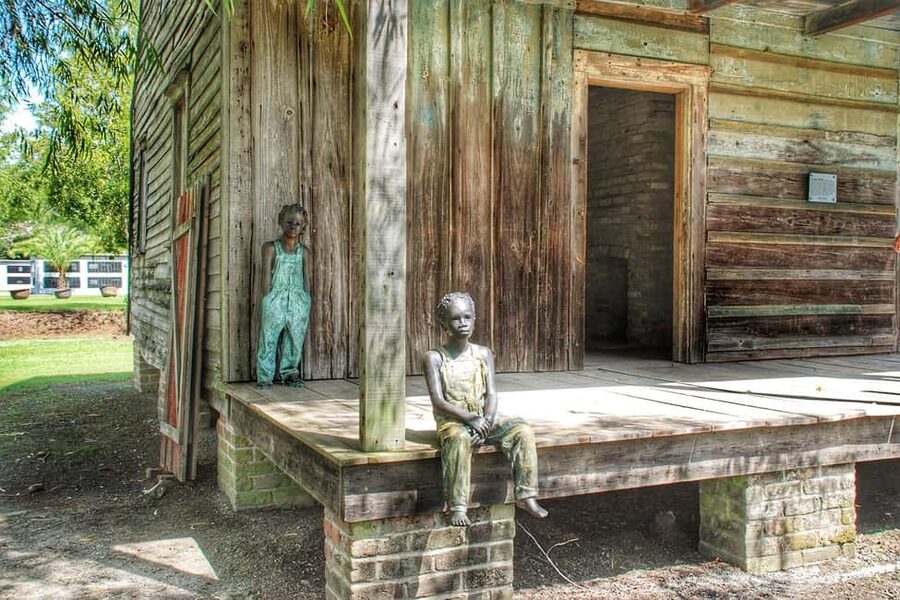
- Whitney tells the story from the enslaved people’s point of view, using first-person narratives, memorial artwork, exhibits, and restored buildings.
- The audio tour is self-paced, with 14 stops described by one recent visitor; bring a charged phone or use the audio device provided on site.
- The drive is part of the outing, passing Laura, Oak Alley, Evergreen, Felicity, and St. Joseph plantations along the Mississippi River.
- The Big House is architecturally notable, but the site’s larger purpose is to remember the people who lived and worked under enslavement.
- The optional Manchac Swamp trip adds a 90-minute boat ride through a privately owned wildlife refuge, with a local captain and the possibility of seeing alligators.
- Plan for an emotional visit and outdoor walking, including uneven gravel paths and limited access for wheelchair users.
The ride from Toulouse Street sets the scene
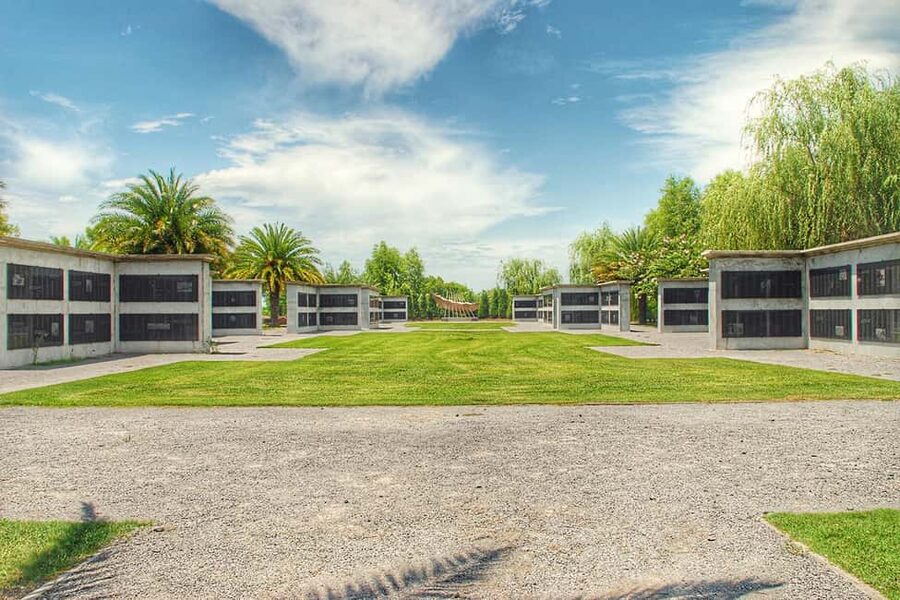
The tour leaves from the Steamboat Natchez dock, behind JAX Brewery, at 400 Toulouse Street. Have your barcoded voucher ready and arrive 15 minutes before departure. The meeting point is close to the Mississippi River, but it is still worth checking the address in advance so you are not searching for the dock at the last minute.
The coach ride to Whitney is commonly described as about an hour each way. That makes the transport more than a way to avoid renting a car. Along the route, you pass Laura, Oak Alley, Evergreen, Felicity, and St. Joseph, reminders that sugar, cotton, and indigo once moved from these riverfront plantations into trade.
The driver often gives the trip a useful local frame. Alton, Melinda, Stacey, Bryan, and other named drivers have been praised for sharing information about New Orleans, the region, and the plantations along the road. The quality of that commentary can make the ride feel like a short introduction to the place, rather than dead time between city and site.
This part of the experience is not guaranteed to be a formal guided tour, and the driver’s style will vary. Some have been described as warm and entertaining, while one visitor found a driver’s quick speech and accent difficult to follow. If the commentary is hard to catch, save your energy for the audio tour at Whitney, where you can listen at your own pace.
The transport itself is a practical plus, but comfort may vary by bus. Many people have found the coach clean and comfortable, with air conditioning; one visitor reported an older-feeling bus with shaky windows and weaker cooling. In Louisiana heat, that difference matters. Bring water, and do not count on food or beverages being included.
More plantation tours in New Orleans:
- Swamp Boat Ride and Oak Alley Plantation Tour from New Orleans
★ 5.0 · 3,303 reviews - Oak Alley Plantation Tour with Transportation from New Orleans
★ 4.5 · 1,747 reviews - Whitney Plantation Tour with Transportation from New Orleans
★ 4.5 · 1,351 reviews
Whitney’s audio tour keeps the focus on people
Whitney Plantation opened to the public in 2014 as Louisiana’s only plantation museum devoted entirely to the history of slavery. Its early owners, the Haydel family, first grew indigo before the operation shifted to sugar in the early 1800s. That agricultural history gives context, but the site is not designed as a celebration of plantation wealth.
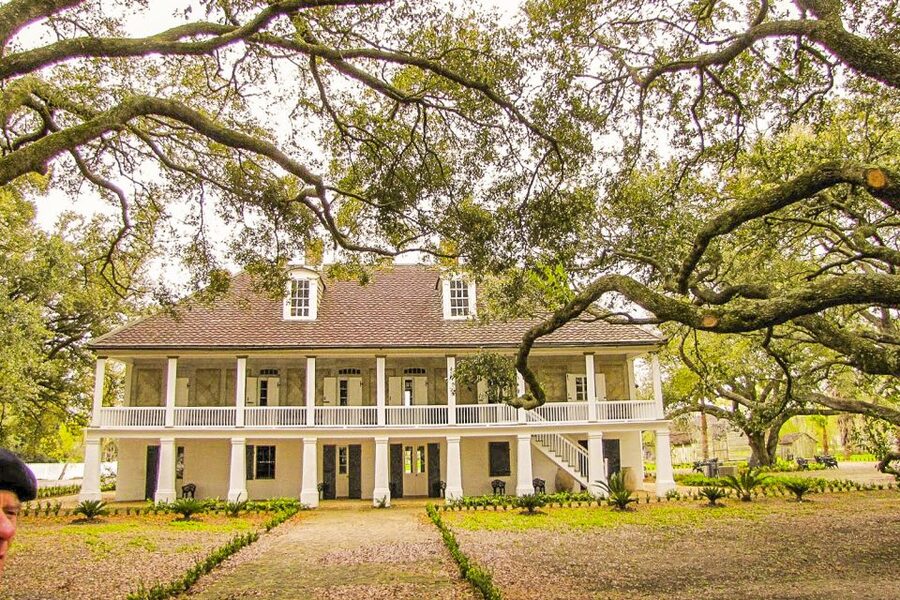
Instead, the tour uses museum exhibits, memorial artwork, restored buildings, and first-person narratives to bring attention to enslaved people who lived and worked there. This approach changes what you notice. The Big House remains an important historic structure, but it sits within a wider account of forced labor, family separation, and the lives of people whose words and experiences are often missing from traditional plantation interpretation.
At arrival, you follow a self-guided route. The audio is available through the Whitney Plantation app, which you should download before you go, or through a handheld device at the site. One visitor described a 14-stop route, with a seat at each stop. That gives you a chance to pause and listen rather than hurry from marker to marker.
Self-guided does not mean unsupported. Staff are available to answer questions, and visitors have singled out site guides such as Dominique for thorough explanations. Still, the core experience is yours to manage. You can replay material or linger at a memorial, but you also need to keep an eye on the return departure time.
I would begin with the outdoor route while you have the energy, then use the indoor museum to read more and cool down. That order has been recommended by people who found the outdoor setting especially affecting. The grounds and memorials can be emotionally demanding, and the interior exhibits offer a place to absorb details at a slower pace.
The buildings tell a different plantation story
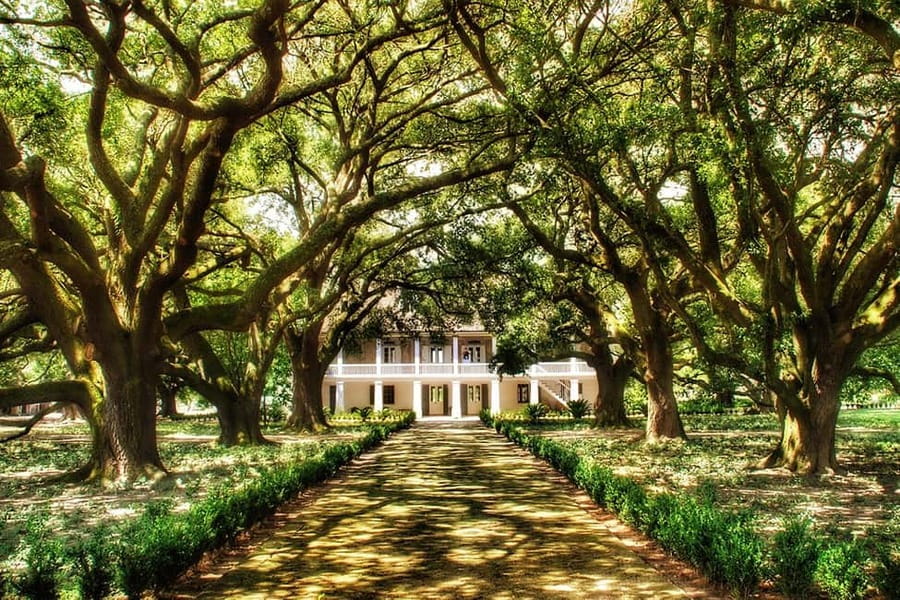
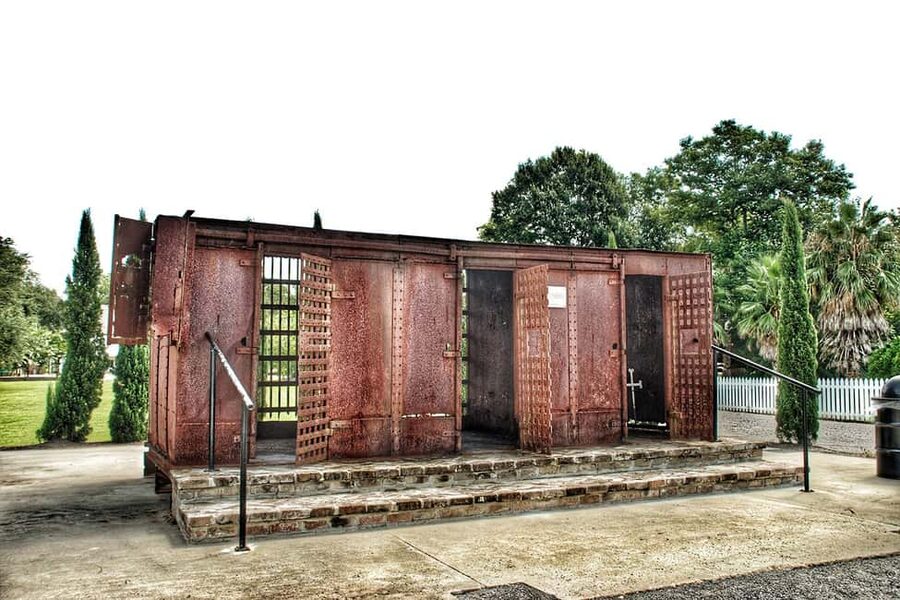
Whitney has a notable collection of historic outbuildings, which helps explain how a Louisiana working plantation changed over time. They are not just architectural curiosities. Read alongside the narratives, they help connect the physical site to the labor system that made plantation production possible.
The Big House is one of the finest surviving examples of Spanish Creole architecture and one of Louisiana’s earliest raised Creole cottages. It is worth looking at for its design and age, but the site’s emphasis is not on the glamour of the owners’ home. The building is part of a broader historical record, not the main attraction in isolation.
That balance is one reason Whitney can feel different from a conventional house tour. The architecture remains visible, yet the stories do not let the visitor settle into a picturesque view of plantation life. The memorials and first-person accounts keep the human cost in view.
Whitney Plantation Historic District is listed on the National Register of Historic Places. More important for your visit, the museum describes itself as a place of memory and consciousness, honoring enslaved people at Whitney and elsewhere in the United States. Give yourself time to read the signs and sit with what you hear. This is not a site to speed through for a few photographs.
Two hours is useful, but not generous
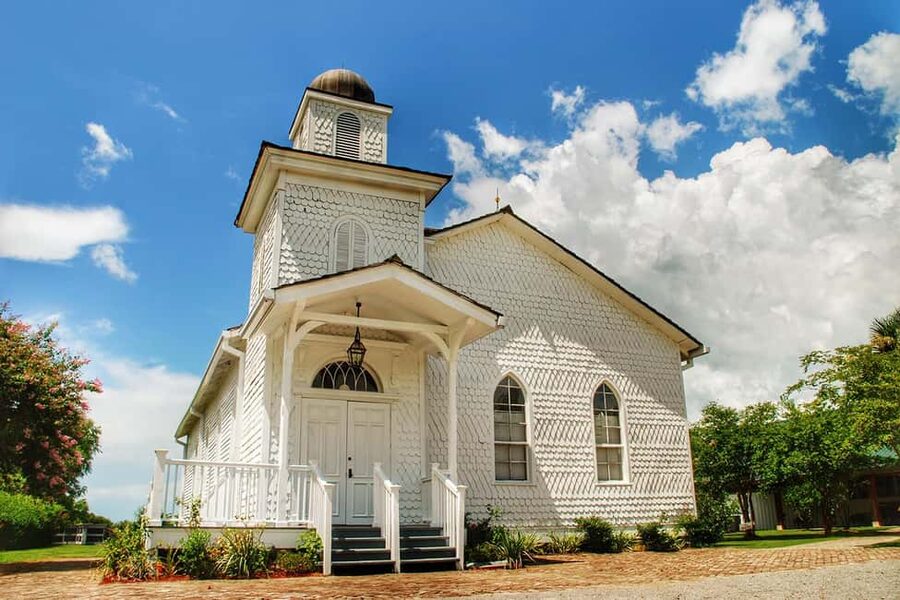
The time at Whitney is often about two hours. That is enough to complete the main audio route and see the exhibits, but it may not be enough to read every wall text, revisit stops, and browse the gift shop without watching the clock. One visitor specifically wished for more time to read the interior displays and shop.
If you tend to read every caption or want quiet time at the memorials, keep your own pace in mind. You may need to choose what matters most to you rather than assume you can take in every detail. The self-guided format helps because you are not tied to a group’s walking speed, but the bus departure still sets the limit.
A few visitors have felt rushed at the end, while others found the allotted time sufficient. That difference likely comes down to how thoroughly you want to explore. I would not plan another fixed activity immediately after the return, particularly if you expect to need time to process the visit.
The trip’s duration needs a little extra attention when booking. The activity information gives both five hours and 465 minutes, which do not match. The swamp option adds a 90-minute cruise, but the total schedule is not clearly consistent in the supplied timing. Check the departure and return details for your chosen date rather than building your day around either duration alone.
Same city, a different kind of day:
- New Orleans Premier Ghost, Voodoo and Vampire Walking Tour
★ 4.5 · 12,856 reviews - New Orleans Steamboat Natchez Jazz Cruise with Dinner Option
★ 4.0 · 7,533 reviews - Adults-Only New Orleans Ghost, Crime, Voodoo, and Vampire Tour
★ 5.0 · 6,545 reviews - New Orleans Food Walking Tour of the French Quarter with Small-Group Option
★ 5.0 · 6,118 reviews
The swamp upgrade changes the tone of the day
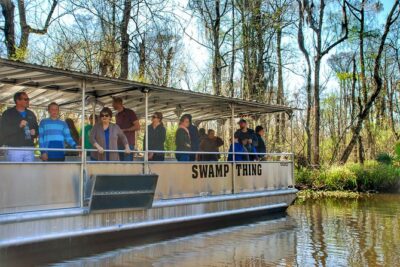
The Whitney and Swamp combo adds a 90-minute cruise in Manchac Swamp after the plantation visit. You ride in a covered pontoon boat through a privately owned wildlife refuge with a local captain. The trip also covers the history of Frenier and Cajun fishing, hunting, and trapping culture.
Alligators may be visible, and the description notes that they can leap for snacks. Wildlife sightings are never something to treat as guaranteed, but the chance to see the swamp from a boat is a clear contrast with the plantation’s memorial and museum setting.
The transition can be helpful. After a difficult visit, the drive toward the swamp gives you time to sit quietly before taking in a different part of Louisiana’s history and environment. If you are choosing the add-on mainly for wildlife, remember that the experience is also about the refuge and local ways of life, not only spotting alligators.
The add-on is an option, not part of the basic Whitney visit. The $89 listed price is for the tour as described, but the upgrade price is not specified here. Check the total cost before choosing the combo, and leave enough room in your schedule for the longer day.
What $89 buys, and who gets the most from it
At $89 per person, the main value is the combination of transportation and access to a distinctive, carefully interpreted site. You do not need to arrange a rental car or navigate the plantations yourself, and the ride can add useful context before you arrive. The audio tour, museum exhibits, memorial artwork, and restored buildings provide a substantial visit rather than a quick stop at a historic house.
The price may feel high if you think of it only as a bus ride and a self-guided walk. It makes more sense if you value the convenience of round-trip transport and the time Whitney devotes to the history of slavery. Food and drinks are not included, and the swamp upgrade costs extra, so budget for those separately.
This outing suits anyone who wants to understand plantation history through the experiences of enslaved people, not just the architecture and fortunes of plantation owners. It is also a practical choice if you do not have a car or prefer a driver to handle the route. Families can take the tour, but the subject matter is harsh and the visit can be emotionally intense.
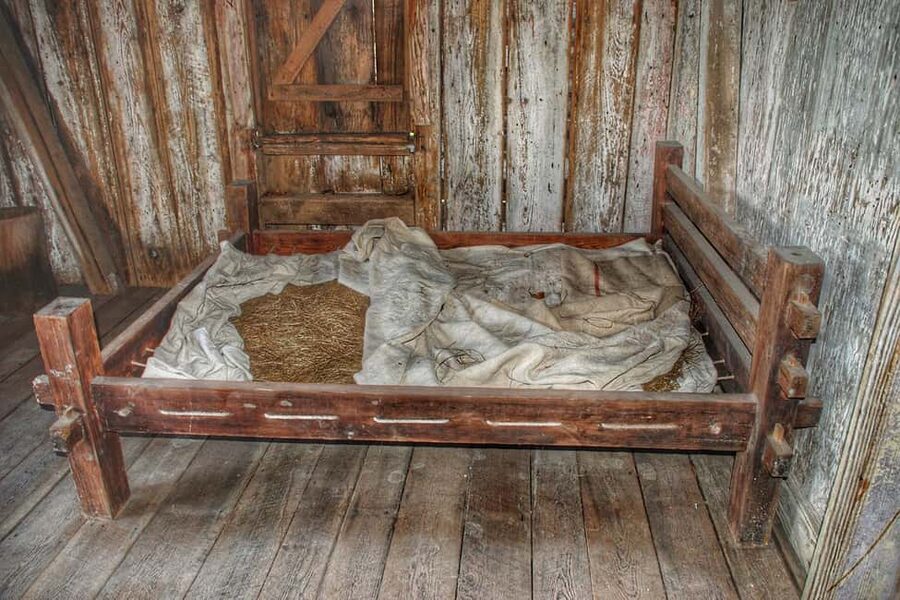
For wheelchair users, the plantation grounds are accessible, but paths are uneven gravel. The gift shop, restrooms, and museum are accessible, and you can view the slave quarters, but you cannot enter them in a wheelchair. If access needs shape your plans, contact the operator or site ahead of time to confirm what will work for you.
Should you book the Whitney Plantation tour?
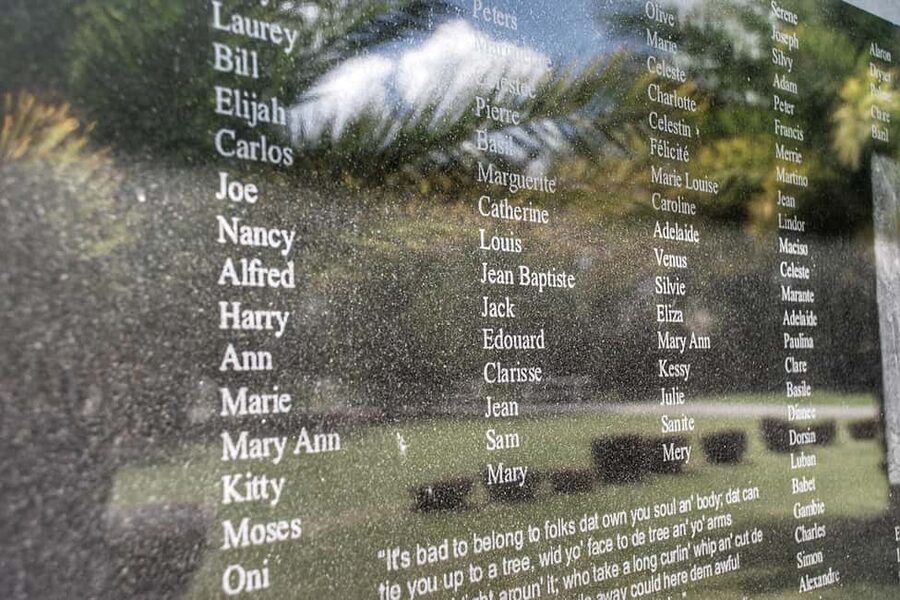
Book this if you want a thoughtful, slavery-centered account of plantation history and value having transport arranged from New Orleans. The strongest parts are the first-person audio narratives, the memorials, and the chance to explore at your own pace. The ride can add helpful local context, though its quality depends on the driver.
Think twice if you want a light outing, a fully guided walk at Whitney, or ample time for every exhibit. The visit can be sobering, the site is largely self-directed, and two hours may feel short if you read slowly. If that pace sounds workable, this is a meaningful half-day trip. Add Manchac Swamp if you want a longer day that pairs difficult history with a boat ride through Louisiana wetlands.
FAQ
How long does the tour take?
The listed duration is given as both five hours and 465 minutes, which are different lengths. The Whitney visit is commonly about two hours, and the swamp upgrade adds a 90-minute boat tour. Check the schedule for your selected departure.
Where does the tour leave from?
It departs from 400 Toulouse Street, at the Steamboat Natchez dock behind JAX Brewery. Show your barcoded voucher at the Lighthouse Ticket Office 15 minutes before departure.
Is the Whitney Plantation tour guided?
The plantation visit is self-guided, using the Whitney Plantation app or an audio device available on site. Staff can answer questions, and the driver may provide commentary during the ride.
What should I bring or prepare for the audio tour?
Download the Whitney Plantation app to your phone, tablet, or iPad before arrival if you plan to use it. You can also use a handheld audio device at the plantation.
Is the swamp tour included?
The 90-minute Manchac Swamp pontoon cruise is included only if you choose the swamp tour upgrade. The boat is covered and operated by a local captain.
Is the tour wheelchair accessible?
The museum, gift shop, and restrooms are accessible, and the plantation grounds can be visited, but paths are uneven gravel. Wheelchair users can view the slave quarters but cannot enter them.
Newest tours in New Orleans
- New Orleans : Garden District Architecture Walking tour★ 4.8 · 5 reviews
- Ultimate Denver Day Out: Red Rocks, City Views & Ice Cream★ 5.0 · 7 reviews
- True Voodoo History of NOLA’s Congo Square with Local Guide★ 4.9 · 16 reviews
- From New Orleans: Whitney and Laura Guided Plantation Tour★ 4.9 · 20 reviews
- Witches Coven Walking Tour in New Orleans★ 5.0 · 49 reviews
- Treme Bar Crawl & Seafood Experience★ 4.2 · 7 reviews
- Whitney Plantation and Soul of New Orleans City Tour Combo★ 5.0 · 13 reviews
- Craft brewery hopping through New Orleans | Uptown★ 5.0 · 31 reviews
New Orleans Plantation Tours, compared.
Swamp Boat Ride and Oak Alley Plantation Tour from New Orleans
Read our review →
Oak Alley Plantation Tour with Transportation from New Orleans
Read our review →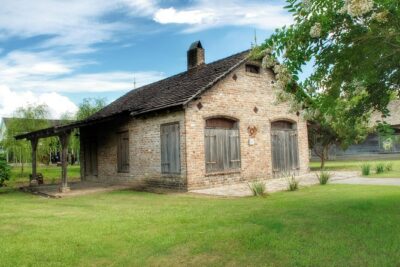
Whitney Plantation Tour with Transportation from New Orleans
Read our review →

Airboat and Plantations Tour with Gourmet Lunch from New Orleans
Read our review →
Bayou Swamp Tour and Oak Alley Plantation Tour
Read our review →
Oak Alley Plantation & Airboat Swamp Combo Tour
Read our review →
Oak Alley Plantation and Large Airboat Swamp Tour from New Orleans
Read our review →Browse the lists this tour appears in