

Reviewed · NEW ORLEANS PLANTATION TOURS
New Orleans: Whitney Plantation Audio Tour with Transfers
Whitney Plantation puts the lives of enslaved people at the center of a visit to Louisiana’s sugar plantation past. Rather than making the owner’s house the main event, this self-guided tour asks you to consider the people who lived and worked under slavery, the conditions they faced, and the legacy that remains.
I like two things in particular: the audio tour lets you move at your own pace, and the route pairs the slave cabins and work buildings with Freedmen’s Church and a memorial. One consideration: the outing takes 390 minutes, including the drive from New Orleans, and the plantation is listed as unsuitable for wheelchair users.
- The focus is on enslaved people, their lives, working conditions, suffering, resilience, and enduring legacy.
- The audio guide is self-paced, giving you time to stop and reflect as you move around the site.
- The 1790 owner’s house provides a stark contrast to the cabins and working spaces.
- Hotel pickup and drop-off are included, along with plantation admission and an audio headset.
- You get 30 minutes after the tour for the shop, restrooms, or a quick snack. Meals and drinks are not included.
A long drive to a difficult history
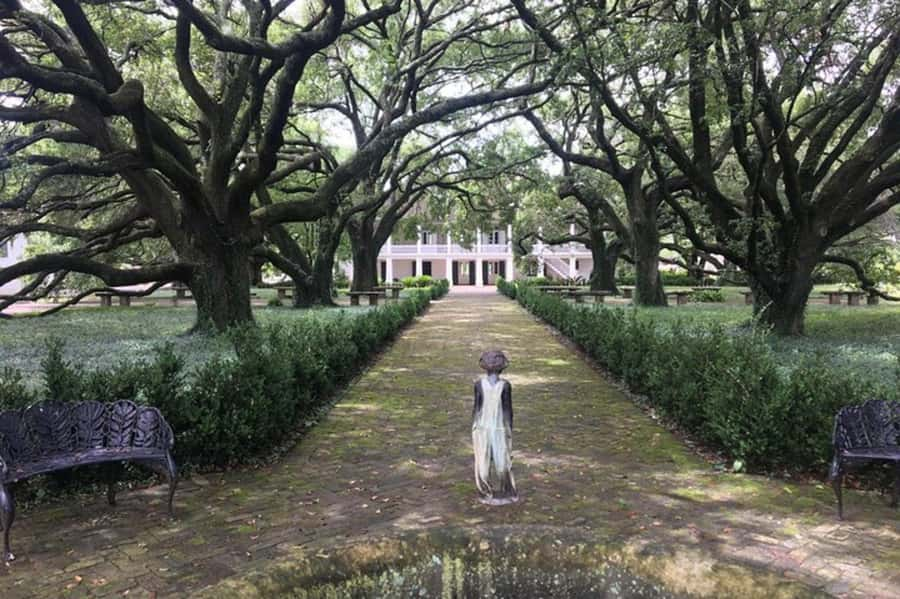
Whitney Plantation is about 70 miles from the French Quarter, so this is not a quick stop you can squeeze between other New Orleans plans. The full outing lasts 390 minutes, or six and a half hours, with hotel transfers included. Set aside most of a day and avoid scheduling a tight dinner or another timed activity right afterward.
The drive gives you time to consider what you are about to see. The subject is painful, and the tour is designed to bring attention to people whose lives and labor shaped plantation history but were often pushed to the margins of plantation storytelling. You do not need to arrive with specialist knowledge, but you should be ready to give the visit your attention.
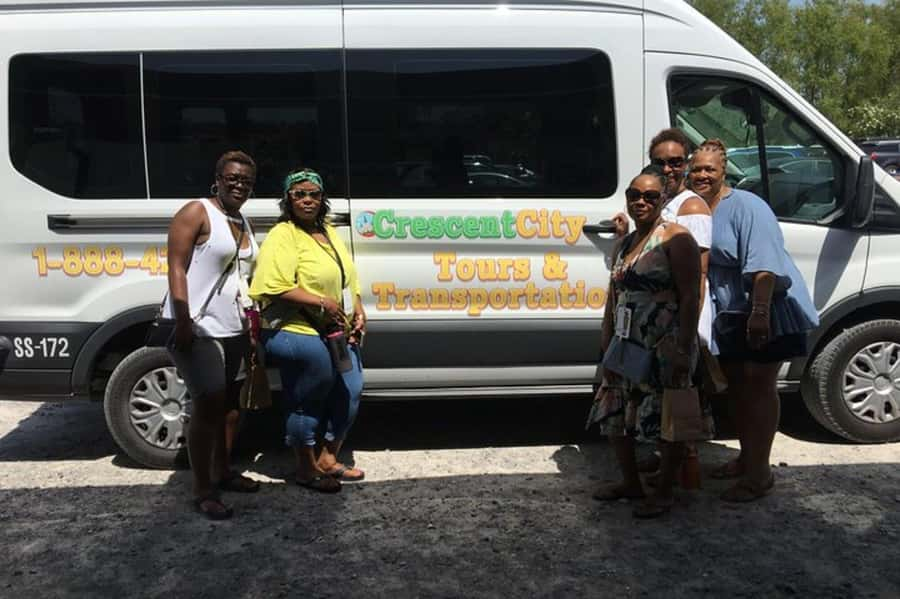
Pickup is available from most New Orleans hotels. If your hotel is not listed, you can choose the nearest pickup point; the listed stops are within three to four blocks of one another. Check that location before booking, especially if you are staying outside the usual hotel pickup area.
Starting with the people who lived in the cabins
At the plantation, you receive an audio headset and tour the site on your own. That format gives you room to set your own pace. You can spend longer with a section that stays with you, or move on when you are ready, rather than having to keep up with a live guide’s schedule.
The route begins at the slave cabins. This is a central part of the visit, not a side note before the owner’s house. The cabins help place daily life and hardship at the center of the story, and the audio guide offers context about the people who lived and worked on the plantation.
The site information does not specify the length of each stop or the audio’s chapter structure, so plan to follow the headset’s instructions when you arrive. Bring a patient frame of mind. This is a place to listen and think, not a checklist to hurry through.
More plantation tours in New Orleans:
- Swamp Boat Ride and Oak Alley Plantation Tour from New Orleans
★ 5.0 · 3,303 reviews - Oak Alley Plantation Tour with Transportation from New Orleans
★ 4.5 · 1,747 reviews - Whitney Plantation Tour with Transportation from New Orleans
★ 4.5 · 1,351 reviews
Freedmen’s Church and the work buildings
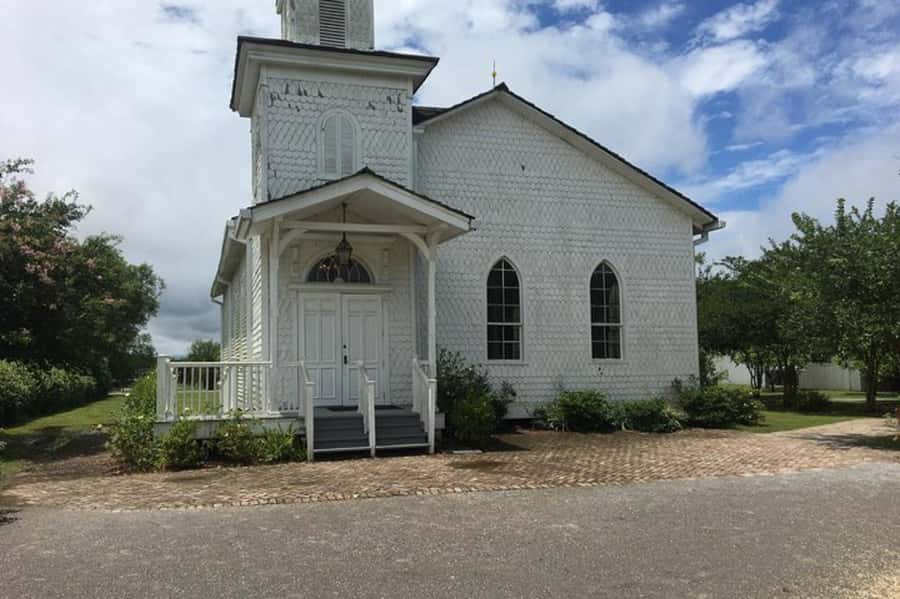
Next, you visit Freedmen’s Church, described as a symbol of hope and resilience for people seeking freedom. Its place in the tour offers a different emphasis from the work buildings and cabins: it points to the efforts and aspirations of people living under an oppressive system.
The detached kitchen and outbuildings shift attention to how the plantation operated. You learn about the work performed by enslaved people and the harsh conditions they endured. Taken together, these stops connect the physical operation of a sugar plantation to the human cost behind it.
The audio format can be useful here because it leaves you free to pause between stops. This is not a subject that needs a brisk pace. If you prefer a guide who can answer questions in person, a self-guided headset may feel less satisfying. The trade-off is independence: you are not tied to a group’s timing.
The 1790 owner’s house, seen in context
The tour also includes the owner’s house, dating to 1790. Its importance lies partly in the contrast it creates with the cabins and work areas. You see the same plantation through sharply different living conditions, a gap that makes the structure of slavery harder to treat as an abstraction.
The house is one part of a larger route, not the sole focus. That distinction matters if you are choosing among plantation visits and want the history of enslaved people to lead the story. A five-star booking described the experience as focusing on what enslaved people endured rather than concentrating on the plantation owner. That emphasis matches the purpose of Whitney Plantation’s museum.
Give the house time, but do not let its architecture crowd out the rest of the visit. The cabins, church, work buildings, and memorial all add necessary context. Together, they make the tour less about a single historic residence and more about the lives shaped by the plantation.
Ending at the memorial
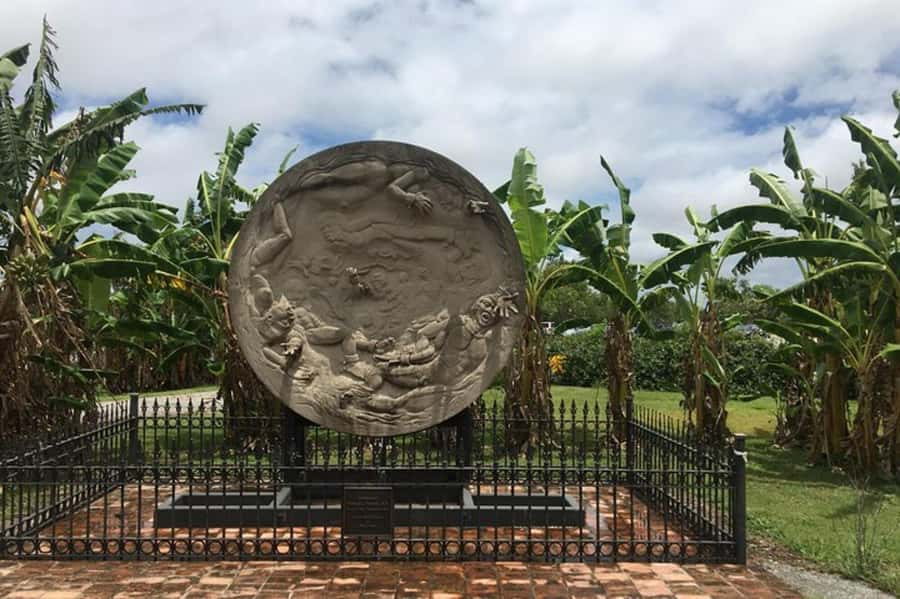
The final stop is a memorial dedicated to the enslaved. Here the visit asks you to pay your respects to people who suffered under slavery and to consider the lasting effects of that history. It is a solemn end to a tour that has moved from living and working spaces to a place of remembrance.
The memorial also gives the route a clear emotional arc. You begin by learning about daily life and labor, then see places connected with hope and stark inequality, and finish by reflecting on loss and legacy. The tour does not turn that subject into easy entertainment, and that is part of its value.
There is no need to rush away the moment the audio portion ends. You have 30 minutes afterward for the gift shop, restrooms, or a quick snack. Since meals and beverages are not included, do not count on a provided meal during the outing.
More self-guided options in New Orleans:
- Avery Island Experience- Tabasco & Jungle Gardens Self-guided tour
★ 4.5 · 297 reviews - Ghosts of New Orleans: Self-Guided Haunted Audio Walking Tour
★ 4.0 · 32 reviews - Walking the Tremé: A Self-guided Audio Tour of New Orleans
★ 4.5 · 24 reviews - Baton Rouge Historic Downtown Self-Guided Audio Walking Tour
★ 4.0 · 19 reviews
What $81 includes, and what it leaves out
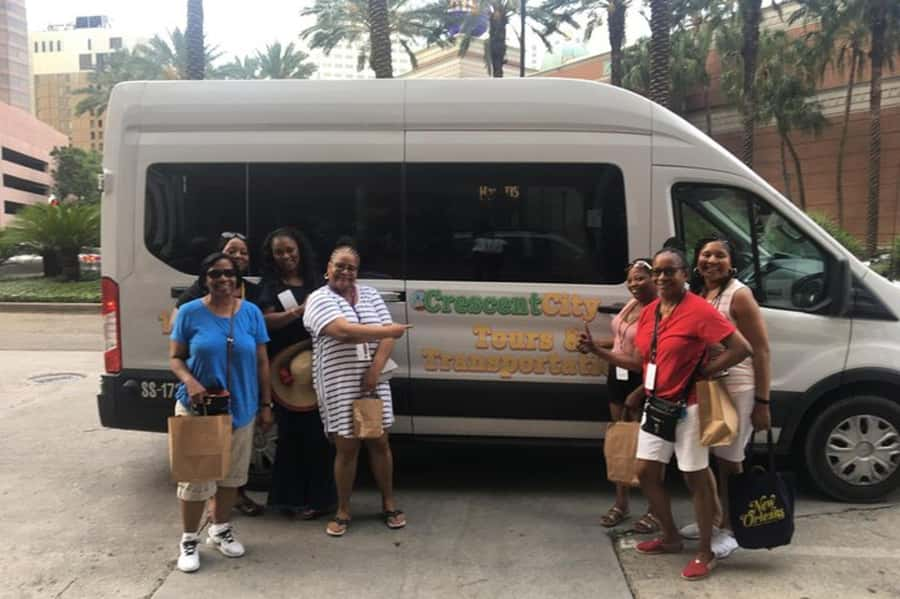
At $81 per person, the price covers hotel pickup and drop-off, plantation admission, and the audio guide. For a site about 70 miles from the French Quarter, having transport arranged is a meaningful part of the value. You avoid organizing your own trip to and from the plantation, and the ticket is bundled with the transfer.
The value depends on what you want from the day. If you are looking for a guided group discussion or a meal, this package does not provide either. The tour uses an audio headset, and food and drinks are excluded. But if you want a focused visit with transport included and time to explore independently, the price brings together the main practical pieces.
The total duration is also part of the calculation. Six and a half hours is a substantial commitment, but the distance makes a shorter visit difficult to plan around New Orleans. Treat this as a dedicated day trip, not a quick excursion.
Who will get the most from this visit
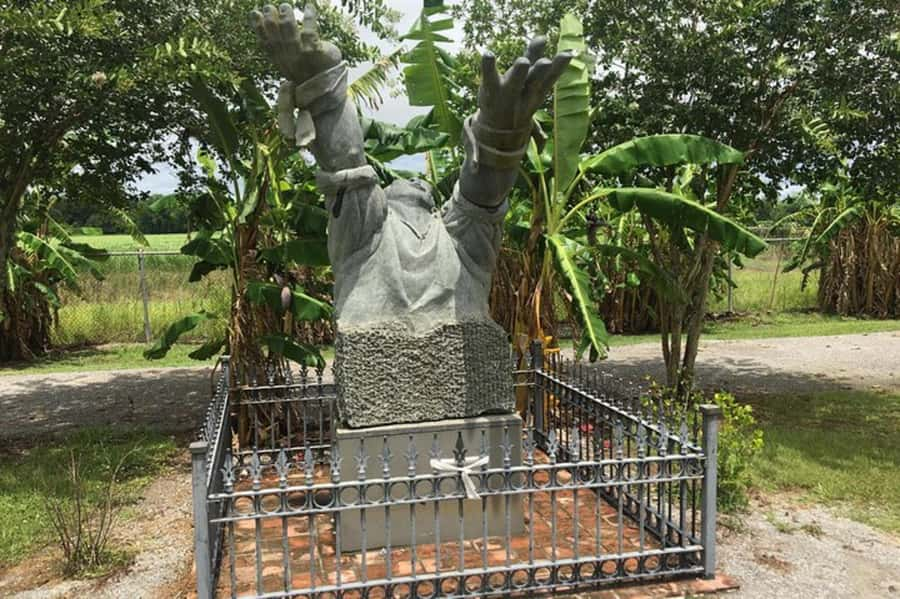
I would choose this tour if you want to learn about plantation history through the experiences of enslaved people, rather than centering the owner’s lifestyle. The cabins, church, work buildings, and memorial support that focus, while the owner’s house provides a sharp point of comparison.
The self-guided format suits you if you like to absorb information at your own speed. It may be less appealing if you want a live guide leading the group or the chance to ask questions along the route. The tour does not specify an audio language, so confirm that detail with the provider if it affects your decision.
This visit also asks for emotional readiness. You will be considering suffering, working conditions, loss, and the long legacy of slavery. It is a serious historical experience, and it may not suit someone seeking a light outing or a leisurely plantation-house tour.
Accessibility is another important factor: the activity is listed as unsuitable for wheelchair users. If you have questions about access or your pickup point, contact Crescent City Tours & Transportation before booking rather than assuming the standard arrangements will work for you.
A thoughtful use of a day outside New Orleans
Whitney Plantation offers a focused way to spend a day beyond the French Quarter. The strongest reason to go is its attention to the lives of enslaved people, supported by stops that show where they lived, worshipped, and worked, and by a memorial that closes the visit with respect.
The main trade-offs are clear: the transfer makes the day long, the tour is self-guided, meals are not included, and wheelchair users are not suited to this activity. If those limits fit your plans, the $81 price covers the essential transport and admission, and the audio format gives you room to take the visit at a personal pace.
FAQ
How long does the Whitney Plantation tour take?
The full activity lasts 390 minutes, or six and a half hours. That includes hotel transfers from New Orleans and time at the plantation.
How far is Whitney Plantation from the French Quarter?
The plantation is about 70 miles from the French Quarter.
Is hotel pickup included?
Yes. Pickup and drop-off are included and available from most New Orleans hotels. If your hotel is not listed, choose the nearest pickup point; the listed stops are within three to four blocks of one another.
Is the tour guided by a person or an audio headset?
You receive an audio headset and explore the plantation on a self-guided, self-paced tour.
What does the $81 price include?
The price includes hotel pickup and drop-off, entry to Whitney Plantation, and an audio guide.
Are meals and drinks included?
No. Meals and beverages are not included. After the tour, you have 30 minutes for the gift shop, restrooms, or a quick snack.
Is the tour suitable for wheelchair users?
No. The activity is listed as unsuitable for wheelchair users.
More audio-guided walks in New Orleans
- Metairie Cemetery Stories: A Self-Guided Audio Tour
★ 4.0 · 12 reviews - A Walk in the Park: City Park New Orleans Audio Tour
★ 4.5 · 12 reviews - Self Guided Audio Ghost Tour in New Orleans in 6 Languages
★ 4.1 · 12 reviews - New Orleans Esplanade Ridge: A Self-Guided Audio Tour
★ 4.0 · 5 reviews
Newest tours in New Orleans
- New Orleans : Garden District Architecture Walking tour★ 4.8 · 5 reviews
- Ultimate Denver Day Out: Red Rocks, City Views & Ice Cream★ 5.0 · 7 reviews
- True Voodoo History of NOLA’s Congo Square with Local Guide★ 4.9 · 16 reviews
- From New Orleans: Whitney and Laura Guided Plantation Tour★ 4.9 · 20 reviews
- Witches Coven Walking Tour in New Orleans★ 5.0 · 49 reviews
- Treme Bar Crawl & Seafood Experience★ 4.2 · 7 reviews
- New Orleans Self-Guided Kayak Bayou Swamp Tour★ 5.0 · 9 reviews
- Whitney Plantation and Soul of New Orleans City Tour Combo★ 5.0 · 13 reviews
New Orleans Plantation Tours, compared.
Swamp Boat Ride and Oak Alley Plantation Tour from New Orleans
Read our review →
Oak Alley Plantation Tour with Transportation from New Orleans
Read our review →
Whitney Plantation Tour with Transportation from New Orleans
Read our review →

Airboat and Plantations Tour with Gourmet Lunch from New Orleans
Read our review →
Bayou Swamp Tour and Oak Alley Plantation Tour
Read our review →
Oak Alley Plantation & Airboat Swamp Combo Tour
Read our review →
Oak Alley Plantation and Large Airboat Swamp Tour from New Orleans
Read our review →Browse the lists this tour appears in