
Reviewed · NEW ORLEANS PLANTATION TOURS
New Orleans: Laura Creole Plantation Guided Tour
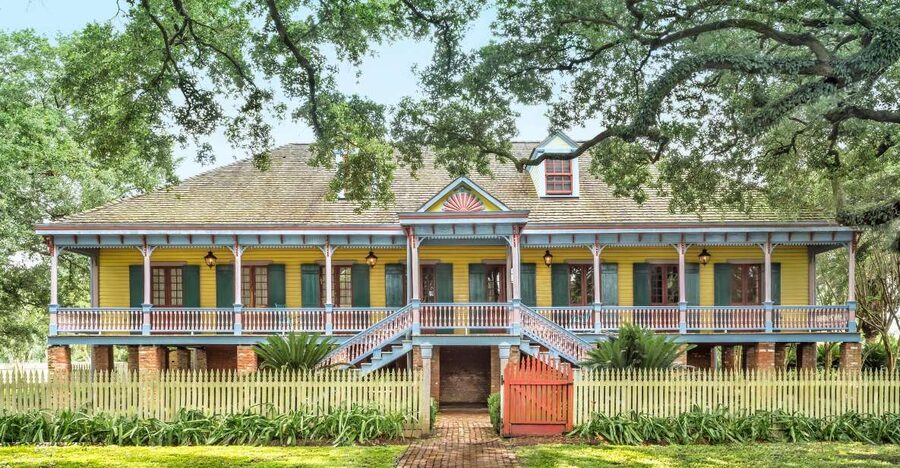
Laura Plantation’s story is told through the lives of four generations of free and enslaved Creole family members, not just through the rooms of its 1805 house. I like that the tour draws on handwritten memoirs and archival documents, and that it visits original 1840s cabins where Compair Lapin stories were recorded.
The guide takes you through the Maison Principale, gardens and grounds, then points you toward an exhibit you can explore at your own pace. The main consideration is getting there: Laura Plantation is outside New Orleans, and transportation is not included.
Key points to know before you go
- The stories come from personal records: The tour uses memoirs and archival documents to tell accounts of people who lived and worked on the sugar farm.
- You enter the 1805 Maison Principale: See its raised basement, galleries, parlors and service rooms, with 15 steps to climb.
- The original cabins are part of the visit: The 1840s buildings connect the plantation’s history to the lives of enslaved people.
- Three gardens add a different pace: The French garden, kitchen potager and BananaLand grove show another side of the historic homestead.
- The slavery exhibit is self-guided: Allow time after the guided tour to visit From the Big House to the Quarters.
- Getting there takes planning: The tour starts at 2247 LA-18. Hotel pickup and transportation are not included.
A plantation tour built around personal accounts
Laura Plantation offers a 75-minute guided visit to its main house, gardens and enslaved quarters. Its focus is not only on the people who owned the property, but also on the enslaved men, women and children whose labor sustained the sugar farm. The stories are drawn from handwritten family memoirs and archival material from the United States and France.
That approach matters. A tour that only describes an old house can leave you with handsome rooms and little sense of the lives shaped by them. Here, the guide connects spaces to people, moving between family quarters, work areas and the cabins where enslaved people lived. The subject is painful, but the emphasis on individual lives gives it human scale.
Laura opened to the public in 1994 as the first historic attraction in Louisiana to include stories of enslaved Africans as part of its tour. The permanent exhibit continues that work. You will hear about both free and enslaved members of the Creole families across four generations, rather than getting a story centered solely on the family home.
Guides are central to the visit. Renee, Lindie, Pam, James and Kristen are among the people who have led tours here. Visitors have singled out guides for clear explanations, patient pacing and the ability to answer questions. Lindie was also noted for speaking French to a member of her group, a useful sign of how a guide can help people feel included.
More plantation tours in New Orleans:
- Swamp Boat Ride and Oak Alley Plantation Tour from New Orleans
★ 5.0 · 3,303 reviews - Oak Alley Plantation Tour with Transportation from New Orleans
★ 4.5 · 1,747 reviews - Whitney Plantation Tour with Transportation from New Orleans
★ 4.5 · 1,351 reviews
Inside the 1805 Maison Principale
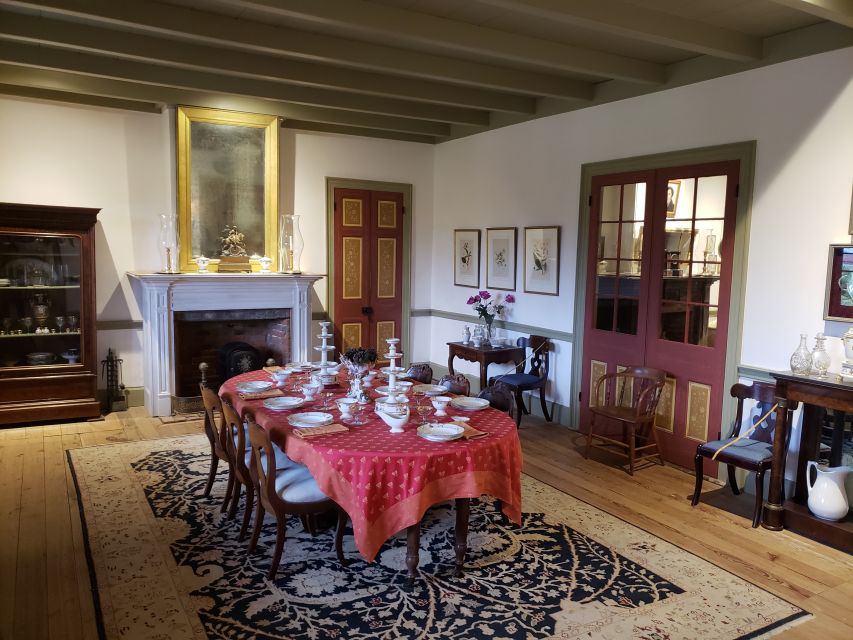
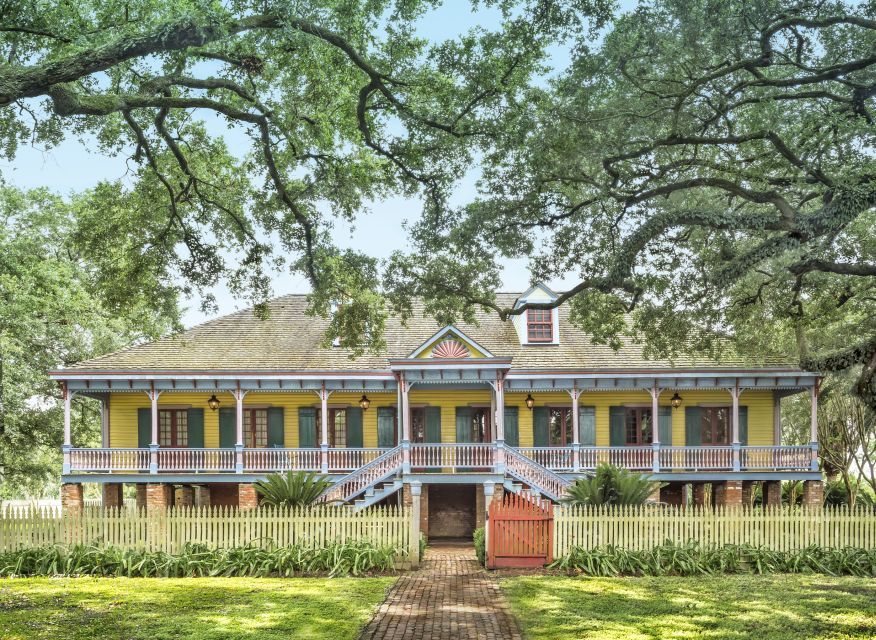
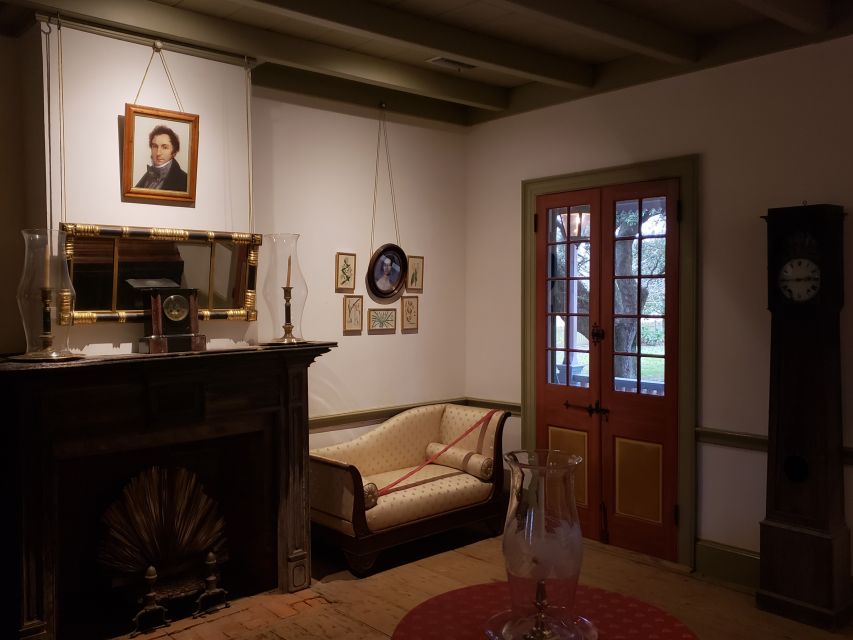
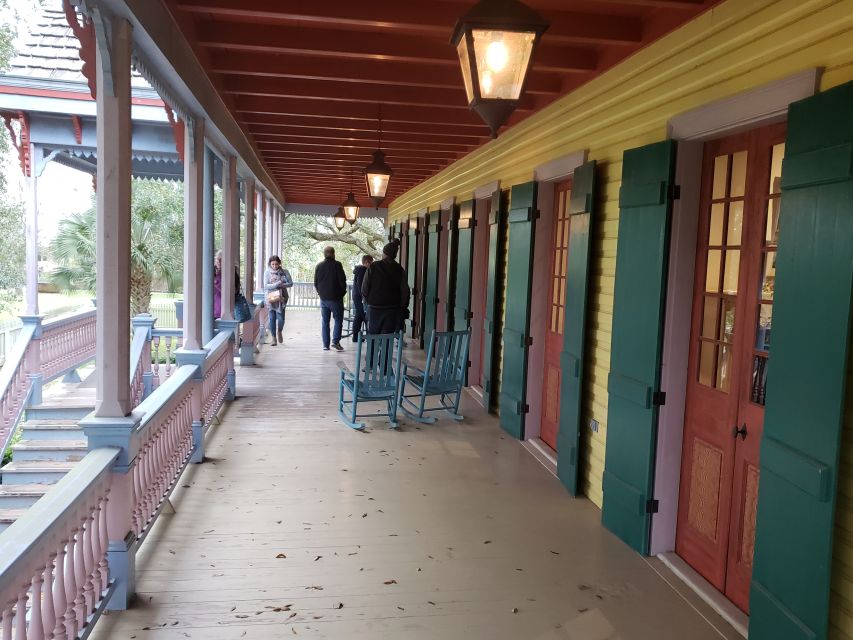
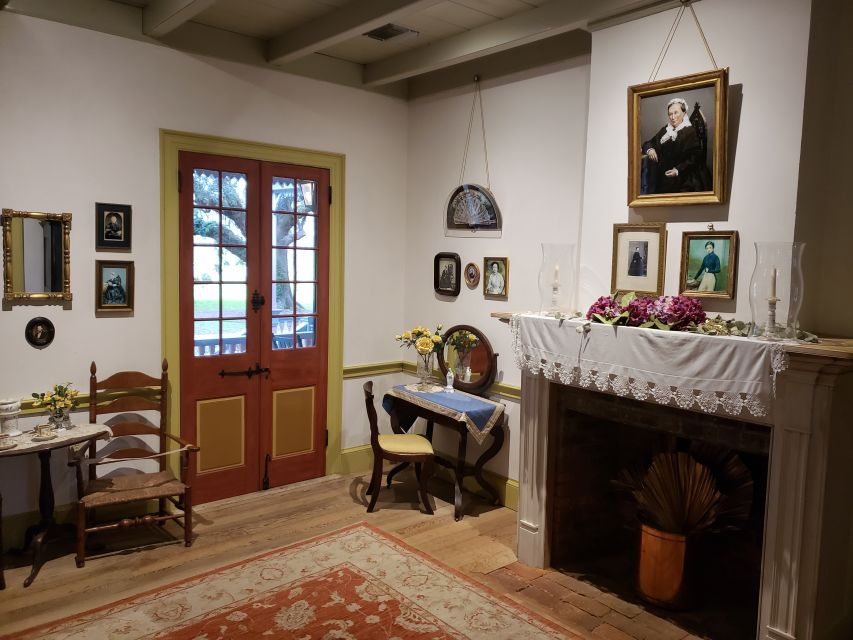
The Maison Principale, or main house, dates to 1805. Restored to the period when it served as both a family home and the plantation office, it gives you a sense of how domestic life and business were joined under one roof. The tour covers its raised basement and galleries, men’s and women’s parlors, service rooms and common rooms.
Pay attention to how the house is arranged, not just to its furnishings. The rooms help explain how a large household worked and how the plantation’s administration sat close to family life. The guide’s accounts give those spaces context, including the experiences of people whose work supported the household but who did not share its comforts or freedom.
Access requires climbing and descending 15 steps, and there is no elevator. The tour also involves walking outdoors, so this is not a visit confined to a cool indoor setting. Wear comfortable shoes, and bring an umbrella: the tour runs rain or shine.
The house is an important part of the experience, but it is not the whole story. You may find that the strongest understanding comes from moving between it and the other buildings. The contrast between the main house and the quarters is precisely why the full route matters.
The cabins, gardens and working grounds
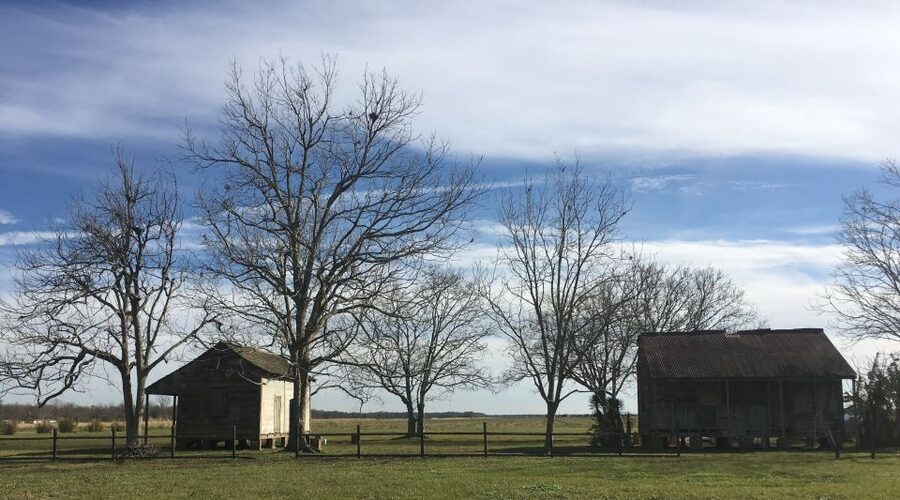
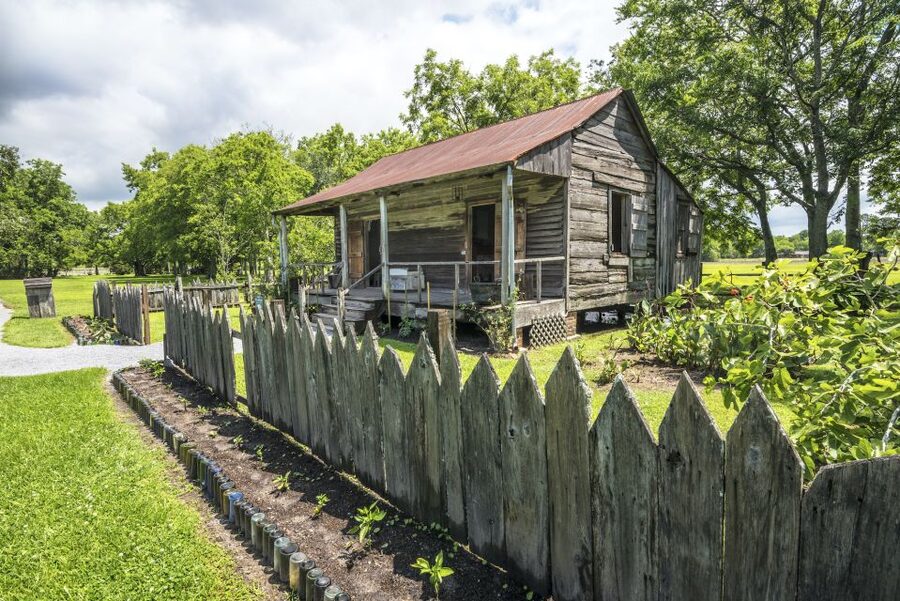
The original 1840s cabins are among the most significant stops. They bring the tour into the spaces where enslaved people lived, rather than leaving their history as something discussed from a distance in the main house. The cabins are also connected to the recording of Louisiana Compair Lapin stories, a detail that gives this part of the site a cultural dimension beyond the buildings themselves.
The grounds include 12 buildings on the National Register, among them animal barns, overseers’ cottages and the 1829 Maison de Reprise. You will not have unlimited time to examine each structure during a short guided visit, but these buildings help show that the plantation was a working complex, not simply a grand residence.
Three gardens offer a change of scene: the Jardin Français, the kitchen potager and the BananaLand grove. The potager, or kitchen garden, points to the practical work of growing food. The French garden and banana grove provide other views of the homestead and its varied uses. In a 75-minute visit, expect a guided overview rather than a long garden walk.
The route is both indoors and outdoors, so the weather can affect your comfort. Sun, rain and uneven walking conditions are worth preparing for. An umbrella is recommended, and a small bag is easier to manage than a backpack, which is not allowed.
The exhibit worth staying for
After the guided portion, you can visit the permanent exhibit From the Big House to the Quarters: Slavery on Laura Plantation on your own. That extra time is valuable. The guide has to keep a group moving, while an exhibit lets you pause and take in the material at a more personal pace.
The exhibit is dedicated to the history of the enslaved community on this Creole farm. It extends the tour’s central purpose: to tell the story of the people who lived and labored here, not to present the house as an isolated architectural attraction. If you are interested in the history of slavery, make room in your schedule to see it rather than leaving as soon as the guided route ends.
The guided tour is offered in English and French. Written translations are available in French, Spanish, Italian and German, which can help if you would rather follow the material in writing or are visiting with someone who prefers another language.
More guided tours in New Orleans:
- Guided Boat Tour of New Orleans Bayou
★ 4.5 · 1,452 reviews - Laura Creole Plantation Guided Tour
★ 5.0 · 1,279 reviews - Houmas House Estate and Gardens Guided Tour
★ 4.5 · 632 reviews - New Orleans: Guided Swamp Cruise by Tour Boat
★ 4.7 · 570 reviews
How much of the visit fits into 75 minutes?

The listed duration is 75 minutes, with the guided walk described in the schedule as about 70 minutes. Treat the full 75 minutes as the time for the guided experience, then add time for the self-guided exhibit and gift shop if you want to see them. The visit moves through a lot: the main house, gardens, cabins and other buildings all contribute to the story.
A good guide makes that pace work. James, for example, has been praised for taking time to explain the people and relationships in the story while keeping the group together. Renee has been noted for patience with a slower-moving group and for allowing time for photographs. Those details suggest a tour that can accommodate questions and a measured pace, though a group visit still has a schedule to keep.
If you want to photograph the grounds, personal photography is allowed. Video recording, tripods and selfie sticks are not. Keep your camera use considerate of the group, especially in the cabins and indoor rooms where space is more limited.
Children under 12 are listed as not suitable for this activity. Some families have nevertheless brought younger children, including children aged seven and eight who were engaged by the tour. That is not a promise that every child will enjoy it: the subject includes slavery, and the visit involves a substantial amount of walking and listening. Use your judgment about your child’s readiness.
Is $32 a fair price?
At $32 per person, the price includes the guided tour of the buildings and gardens, the self-guided slavery exhibit, and free parking. You are paying for more than entry to a historic house: the guide provides the context that connects the buildings to the people who lived and worked here.
The value is strongest if you stay for the exhibit and pay attention to the guided stories. If you only want a quick look at an old house, this may feel like more history than you came for. But if you want a grounded account of Creole plantation life that includes enslaved people’s experiences, the combination of a live guide, historic structures and permanent exhibit makes the fee reasonable.
Transportation is not included, and the plantation is on the West Bank of the Mississippi in Louisiana’s Plantation Country. A visitor has specifically noted that the trip from New Orleans involves extra traffic, so allow time for the drive. Do not take a taxi unless the driver agrees to wait in the parking lot. Otherwise, you risk having no ride back when the tour ends.
There is no food or drink included. Plan those separately, and do not bring food onto the tour. Backpacks are also prohibited, so arrive with only what you need.
Who will appreciate this visit most?
I would recommend Laura Plantation to anyone who wants to understand the human history behind a historic plantation, not just see a restored home. The use of personal accounts, the original cabins and the exhibit make the visit especially useful for people interested in Creole Louisiana and the history of slavery.
It also suits visitors who value a guide-led explanation. Names such as Renee, Lindie, Pam and James are associated with thoughtful, engaging tours, but the guide on your date may differ. The bilingual tours in English and French and written translations in four languages offer helpful options for mixed-language groups.
This may be less suitable if you have limited mobility, since there are 15 steps and no elevator, or if outdoor walking in uncertain weather is a problem. It also requires a separate transportation plan from New Orleans. Make sure the drive and the serious subject matter fit your day, rather than treating the plantation as a quick stop between other plans.
FAQ
How long is the Laura Plantation tour?
The experience is listed as 75 minutes. The guided portion is also described as about 70 minutes, so allow at least 75 minutes for the tour itself, plus extra time if you plan to see the exhibit afterward.
What does the $32 ticket include?
It includes a guided tour of the buildings and gardens, a self-guided visit to the permanent exhibit From the Big House to the Quarters, and free parking.
Is the tour available in English and French?
Yes. Live guided tours are offered in English and French. Written translations of the guided tour are available in French, Spanish, Italian and German.
Where do I meet the guide?
Check in at the admissions window inside the Laura Plantation Gift Store at 2247 LA-18.
Is transportation from New Orleans included?
No. Hotel pickup, drop-off and transportation are not included. If you take a taxi, make sure the driver will wait in the parking lot for you.
Is the tour accessible without stairs?
No. You must climb and descend 15 steps to enter the Maison Principale, and there is no elevator.
What should I bring?
Wear comfortable shoes and bring an umbrella. The tour takes place rain or shine and includes both indoor and outdoor walking.
Are children under 12 suitable for the tour?
Children under 12 are listed as not suitable for this activity. Some families have attended with younger children, but the tour covers serious history and involves walking and listening, so consider your child’s interests and readiness.
Newest tours in New Orleans
- New Orleans : Garden District Architecture Walking tour★ 4.8 · 5 reviews
- Ultimate Denver Day Out: Red Rocks, City Views & Ice Cream★ 5.0 · 7 reviews
- True Voodoo History of NOLA’s Congo Square with Local Guide★ 4.9 · 16 reviews
- From New Orleans: Whitney and Laura Guided Plantation Tour★ 4.9 · 20 reviews
- Witches Coven Walking Tour in New Orleans★ 5.0 · 49 reviews
- Treme Bar Crawl & Seafood Experience★ 4.2 · 7 reviews
- New Orleans Self-Guided Kayak Bayou Swamp Tour★ 5.0 · 9 reviews
- Whitney Plantation and Soul of New Orleans City Tour Combo★ 5.0 · 13 reviews
New Orleans Plantation Tours, compared.
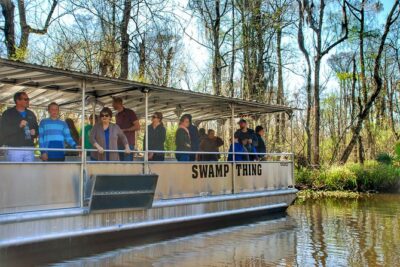
Swamp Boat Ride and Oak Alley Plantation Tour from New Orleans
Read our review →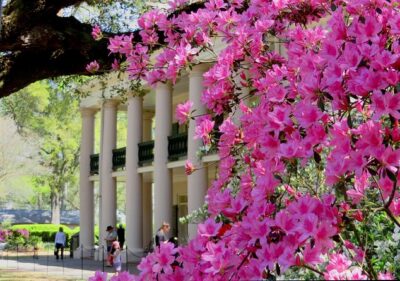
Oak Alley Plantation Tour with Transportation from New Orleans
Read our review →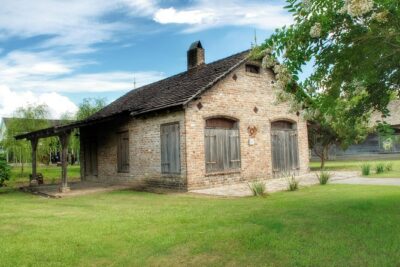
Whitney Plantation Tour with Transportation from New Orleans
Read our review →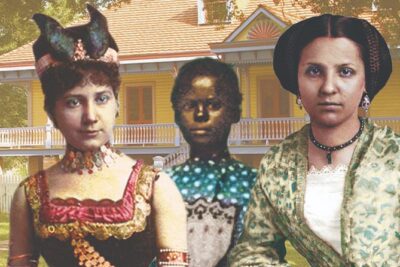

Airboat and Plantations Tour with Gourmet Lunch from New Orleans
Read our review →
Bayou Swamp Tour and Oak Alley Plantation Tour
Read our review →
Oak Alley Plantation & Airboat Swamp Combo Tour
Read our review →
Oak Alley Plantation and Large Airboat Swamp Tour from New Orleans
Read our review →Browse the lists this tour appears in