Reviewed · NEW ORLEANS TOURS
Urban Enslavement Tour at Hermann Grima House
At Hermann-Grima House, the story of urban enslavement takes shape inside a home built in 1831. Its open-hearth kitchen, courtyard, and former slave quarters help connect the daily work of enslaved people to the comforts of an affluent New Orleans household.
I like two things here: the setting puts the history inside an actual home, not just in a gallery, and the tour asks how city slavery differed from plantation slavery. I also like that guides such as Robert and Kelsy have been praised for making room for questions and for connecting the past to family experience.
One consideration: the house’s owners and family history are part of the story, and the balance between that context and enslaved people’s lives may vary by guide. If you want a tour centered almost entirely on named individuals and their personal stories, you may find the available record less detailed than you hope.
Key points
- A French Quarter home from 1831: See a Federalist-style façade, original furnishings, an expansive courtyard, and an operating open-hearth kitchen.
- A city-focused account of enslavement: The tour explores how urban slavery differed from rural enslavement and how enslaved people shaped New Orleans.
- About an hour, for $17: A compact history stop that can fit into a day of exploring the French Quarter.
- Guides help shape the visit: Robert and Kelsy are among the guides associated with especially engaging tours, but the guide and emphasis can vary.
- A carriage house with another story: The property’s carriage house is home to The Exchange Shop, founded by the Woman’s Exchange in 1881.
Inside an 1831 French Quarter home
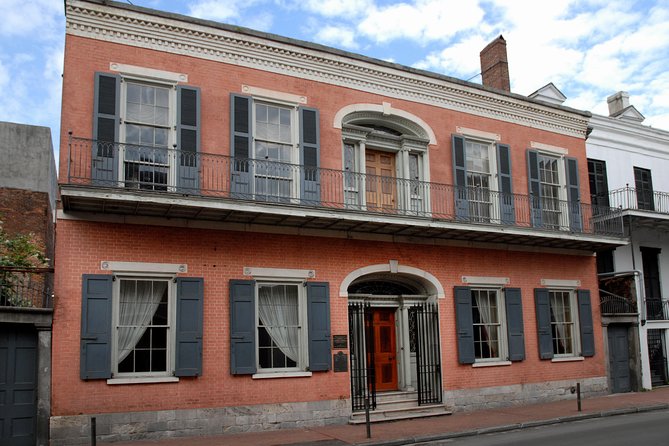
Hermann-Grima House gives the tour a valuable setting: a home where you can see the physical spaces that framed daily life in the 19th century. The Federalist façade, original furnishings, and large courtyard offer more than a pretty backdrop. They help you picture the household’s layout and the sharp divide between the lives of the family and the enslaved people who worked there.
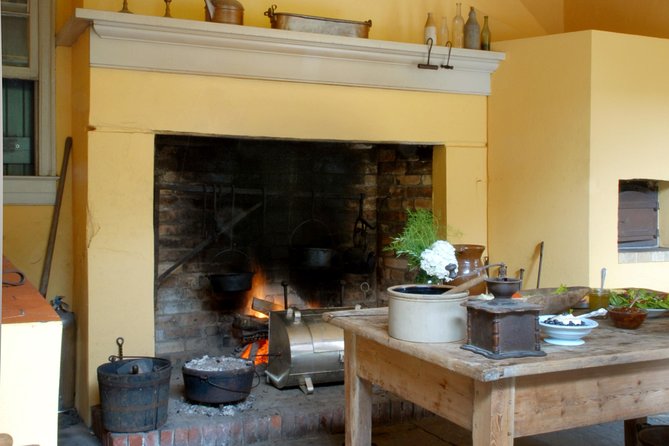
The house was built in 1831, and its open-hearth kitchen remains in working order. That detail gives the discussion of domestic labor a concrete anchor. Cooking was skilled, demanding work, and some accounts shared on the tour describe kitchen labor lasting 12 to 16 hours a day. Rather than treating food as a decorative part of a historic house, the tour can use the kitchen to explain the labor behind it.
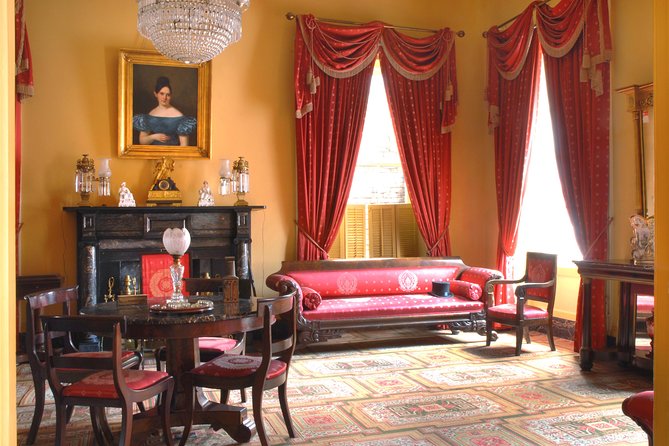
You may also see rooms with original furnishings and learn about the house’s owners and later occupants. That household history matters: it helps explain who held power, how wealth and property changed hands, and how slavery was tied to family fortunes. But it can also take up more of the tour than some people expect, so keep in mind that the house’s owners are part of the framework, not necessarily the only focus.
The urban setting changes the picture
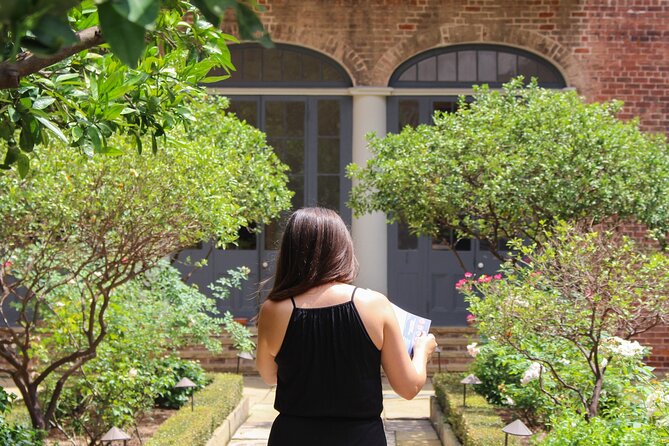
A plantation tour and an urban slavery tour are not interchangeable. This experience asks you to consider how enslavement worked in a city, where domestic labor, child care, cooking, sewing, and household service shaped daily life. The tour also sets those experiences against the rural system, giving you a more complete view of slavery in Louisiana.
The difference is not a claim that city slavery was gentler. The tour’s subject is the variety of work and conditions within an institution built on coercion. Enslaved people could be responsible for household tasks and for caring for children, including the owners’ children, while separated from their own families. One account described enslaved children being sold by around age ten, a stark reminder that proximity to a household did not mean protection.
The city setting also complicates familiar assumptions about freedom and status. The tour may cover cases in which people gained freedom, endured enslavement for decades, or were sold to pay debts and later bought back. These details can make the history feel less like a single story and more like a system that reached into every part of life.
Other tours people book in New Orleans:
- New Orleans Premier Ghost, Voodoo and Vampire Walking Tour
★ 4.5 · 12,856 reviews - New Orleans Steamboat Natchez Jazz Cruise with Dinner Option
★ 4.0 · 7,533 reviews - Adults-Only New Orleans Ghost, Crime, Voodoo, and Vampire Tour
★ 5.0 · 6,545 reviews
Reading the house through its spaces
The house’s rooms, porches, veranda, and large water cistern help make the social divisions of the home easier to understand. A tour can point out which areas were reserved for the family and which spaces enslaved people used or were kept from. The arrangement is not just architectural trivia. It shows how status was enforced through daily movement, access, and labor.
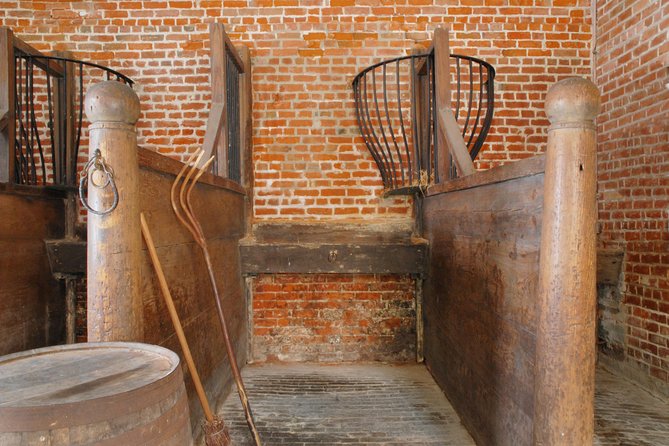
The property includes urban slave quarters, an important part of the site’s story. However, do not assume that every visit includes access inside those quarters. The precise route and rooms shown can depend on the tour and its guide. If seeing the quarters themselves is essential to your decision, ask the house directly before booking.
That distinction matters because the building is both a preserved home and a place where the history of enslaved people is interpreted. The material evidence can make the past more immediate, but no room can tell the whole story on its own. Guides have to draw on historical records and explain what is known, what can be inferred, and where the evidence leaves gaps.
The people behind the household labor
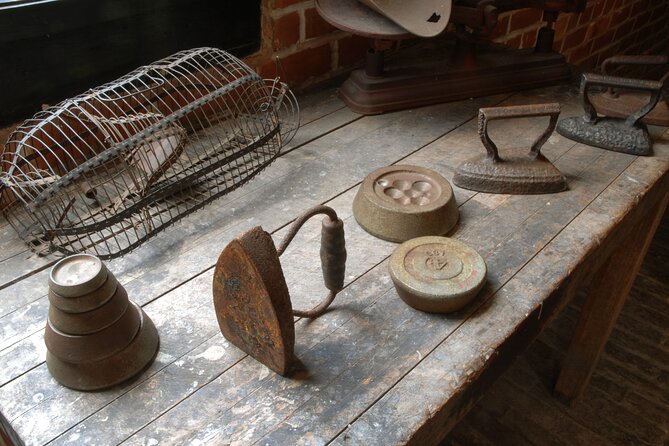
The strongest version of this tour keeps enslaved people in view as workers, parents, caregivers, and individuals, rather than treating them only as an economic asset. Accounts of ironing and resewing sleeves, preparing meals, and caring for children give a sense of the constant work required to maintain an affluent household. The point is not simply that the house was beautiful. It is to ask whose labor made that life possible.
You may hear about the contributions of people of African descent to New Orleans and how those contributions shaped life in the city. That wider lens is useful because it moves beyond the household and helps place the site within the culture and development of the city. It also reminds you that enslaved people’s work involved skill, judgment, and knowledge, even when the law and the household denied them freedom.
A few guides have been especially effective at bringing a personal dimension to this history. Robert has been praised for connecting the subject to his own family experience, and Kelsy has been described as telling the story in a way that makes the past vivid. Those names are worth knowing, but they are not a promise that either person will lead your tour. The strongest practical advice is to bring questions and take advantage of the guide’s knowledge of the site.
There is a real archival limit to keep in mind. The owners and their relatives may be easier to trace in surviving records than the enslaved people who worked in their home. Some visitors want more names, family histories, or first-person accounts than the available sources can provide. That is a fair expectation to bring, but the lack of detail is part of the historical problem, not evidence that enslaved people had unimportant lives.
A focused hour, with room for questions
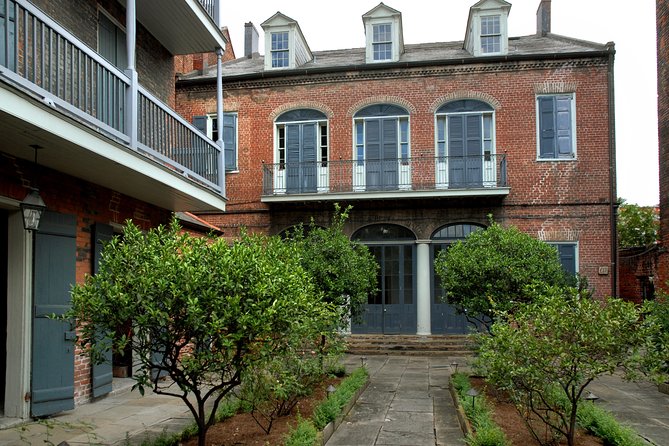
The tour lasts about an hour, which makes it a manageable stop in a day around the French Quarter. It is long enough to cover the home, household labor, and the urban setting without demanding half a day. The trade-off is that a complicated subject must be handled at a brisk pace. If you like to ask questions, use the time well and follow up on the topics that matter most to you.
The experience is offered in English, with a mobile ticket. Most people can participate, and service animals are allowed. The house is near public transportation, which makes it practical to reach without planning your day around a long trip across town.
A small group can make questions easier, though group size is not specified and may vary. The guide’s pace and approach also matter: some tours may give more time to the physical house, while others may place greater emphasis on the enslaved people’s experiences. If you have a particular interest, say so at the start rather than waiting until the final minutes.
Same city, a different kind of day:
- New Orleans Food Walking Tour of the French Quarter with Small-Group Option
★ 5.0 · 6,118 reviews - New Orleans Swamp and Bayou Boat Tour with Transportation
★ 5.0 · 5,399 reviews - New Orleans Steamboat Natchez Jazz Cruise
★ 4.5 · 5,334 reviews - New Orleans City Sightseeing Hop-On Hop-Off Bus Tour
★ 4.5 · 4,943 reviews
Is $17 a fair price?
At $17 per person for roughly an hour, the tour offers good value if you want a focused history experience in a preserved home. Admission is included, and you are paying not just to enter an old building but to have its rooms interpreted through the lives and labor connected to it. That guided context is the main reason to choose the tour over simply looking at the façade from the street.
The value is strongest for visitors who are building a broader understanding of New Orleans history. It can pair well with a plantation visit because the urban setting offers a different view of slavery and household life. The short duration also makes it easier to add to a full day, while the subject is substantial enough to merit your attention afterward.
There is another detail on the property worth knowing about. The 19th-century carriage house is home to The Exchange Shop, which began with the Woman’s Exchange in 1881 and is one of the oldest women-led nonprofits in the South. Its connection to women’s history is separate from the main tour’s focus, but you may want to look around if you have time. Do not assume a shop visit is included in the hour.
Who should book this tour?
I would recommend Hermann-Grima House if you want to understand slavery beyond plantation settings and are willing to consider the difficult history inside an ordinary domestic space. It is a particularly useful stop if you are interested in how cooking, sewing, child care, and household routines depended on enslaved labor. Families and younger visitors with an interest in history may find the direct setting helpful, though the subject is serious and calls for thoughtful discussion.
It may be less satisfying if you expect a long, detailed account of each enslaved person who lived or worked in the house. The home’s owners and family history form part of the tour, and the surviving record may not preserve as much about enslaved individuals as you would want. The guide can make a major difference, so bring questions and be ready to ask for more focus on the people whose labor sustained the household.
The experience is popular, with an average booking lead time of 13 days. That is a useful planning signal if your New Orleans dates are fixed, though it is not a guarantee that every date sells out. Free cancellation is available up to 24 hours before the start time; changes or cancellations inside that window are not accepted for a refund. If poor weather cancels the tour, you are offered another date or a full refund.
FAQ
How long is the Urban Enslavement Tour?
The tour lasts about one hour.
How much does the tour cost?
The stated price is $17 per person, with admission included.
What language is the tour offered in?
The tour is offered in English.
What does the tour cover?
It explores the experiences of enslaved people in an urban setting, how city slavery differed from rural slavery, and the contributions of people of African descent to New Orleans.
Is Hermann-Grima House near public transportation?
Yes. The house is near public transportation.
Are service animals allowed?
Yes, service animals are allowed.
What happens if bad weather cancels the tour?
You are offered a different date or a full refund if the experience is canceled due to poor weather.
Newest tours in New Orleans
- New Orleans : Garden District Architecture Walking tour★ 4.8 · 5 reviews
- Ultimate Denver Day Out: Red Rocks, City Views & Ice Cream★ 5.0 · 7 reviews
- True Voodoo History of NOLA’s Congo Square with Local Guide★ 4.9 · 16 reviews
- From New Orleans: Whitney and Laura Guided Plantation Tour★ 4.9 · 20 reviews
- Witches Coven Walking Tour in New Orleans★ 5.0 · 49 reviews
- Treme Bar Crawl & Seafood Experience★ 4.2 · 7 reviews
- New Orleans Self-Guided Kayak Bayou Swamp Tour★ 5.0 · 9 reviews
- Whitney Plantation and Soul of New Orleans City Tour Combo★ 5.0 · 13 reviews
New Orleans Tours, compared.
New Orleans Premier Ghost, Voodoo and Vampire Walking Tour
Read our review →
New Orleans Steamboat Natchez Jazz Cruise with Dinner Option
Read our review →
Adults-Only New Orleans Ghost, Crime, Voodoo, and Vampire Tour
Read our review →
New Orleans Food Walking Tour of the French Quarter with Small-Group Option
Read our review →
New Orleans Swamp and Bayou Boat Tour with Transportation
Read our review →

Evening Steamboat Jazz Cruise + Optional Dinner
Read our review →