
Reviewed · NEW ORLEANS JAZZ TOURS
New Orleans Music Walking Tour
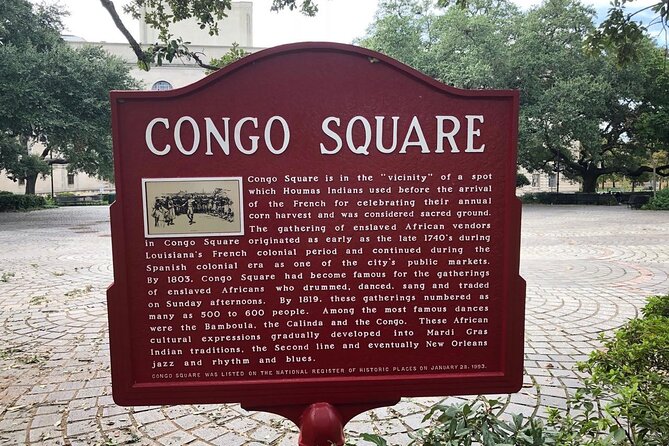
Congo Square is the right place to begin a New Orleans music walk: here, you can trace how West African traditions, including the Bamboula, helped shape the city’s sound. From there, the route links opera, early jazz, Storyville, and the second line, ending at Preservation Hall.
I like two things in particular: the route joins musical landmarks to the neighborhoods that produced them, and guides such as David have used short audio and video clips to make the stories easier to picture. With a maximum of 14 people, there is room for questions and a guide may tailor the conversation to your musical interests.
One caution: some advertised highlights, including J&M Studios and the New Orleans Musicians Tomb, are not named as stops in the timed route. There have also been reports of guides not showing up, so confirm your departure before setting off.
At a glance
- Start at Congo Square: Learn how West African musical traditions, including the Bamboula, influenced New Orleans music.
- Follow a musical timeline: The walk moves from Congo Square through Louis Armstrong Park, Storyville, Bourbon Street, and Preservation Hall.
- Expect a small group: The tour has a maximum of 14 people, and it runs for about two hours.
- Listen as well as look: The Storyville stop includes recorded music, and guide David has used audio and video clips on an iPad.
- Check the advertised extras: J&M Studios and the musicians’ tomb appear among the highlights, but not as named stops in the timed route.
- Weigh the reliability risk: The tour has a listed rating of 4 out of 5 from 17 reviews, alongside several reports of no-shows.
From Congo Square to the sound of the city
This tour is less about collecting famous music addresses than understanding how New Orleans sounds came together. Its central thread begins with African musical traditions and moves through opera, early jazz, rhythm and blues, and the communal energy of the second line.
That approach gives the walk more purpose than a quick pass by buildings with famous names. You get a sense of how music belongs to public spaces and neighborhood life, not just concert halls and recording studios. For a first visit, the route can help you make better sense of the music you hear elsewhere in the city.
The tour starts at Rampart Treehouse, 740 North Rampart Street, at 2:00 p.m. It ends at Preservation Hall, 726 St. Peter Street. The listed stops add up to about two hours, with short visits of 15 to 25 minutes. That pacing keeps the walk moving, but it also means each stop is an introduction rather than an extended visit.
More jazz and music tours in New Orleans:
- New Orleans Steamboat Natchez Jazz Cruise with Dinner Option
★ 4.0 · 7,533 reviews - New Orleans Steamboat Natchez Jazz Cruise
★ 4.5 · 5,334 reviews - New Orleans: Evening Steamboat Jazz Cruise + Optional Dinner
★ 4.3 · 4,548 reviews
Congo Square and Louis Armstrong Park
Congo Square is the most important stop for understanding the tour’s musical argument. Your guide explains the influence of West African traditions and the Bamboula, helping you connect those roots to later New Orleans styles. The scheduled stop is 20 minutes, enough for a focused explanation and questions, but not a long lecture.
The value here is context. Instead of treating jazz as a sound that appeared fully formed, you begin with the traditions and community practices that shaped the city’s music over time. If you are new to New Orleans, this is a useful starting point. If you already know the music, you can ask the guide to spend more time on the details that interest you.
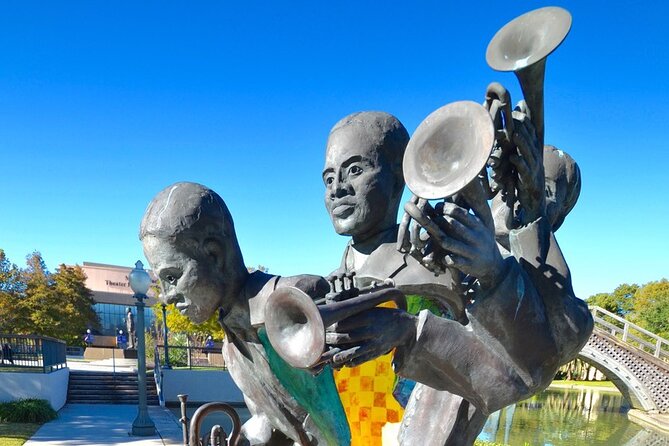
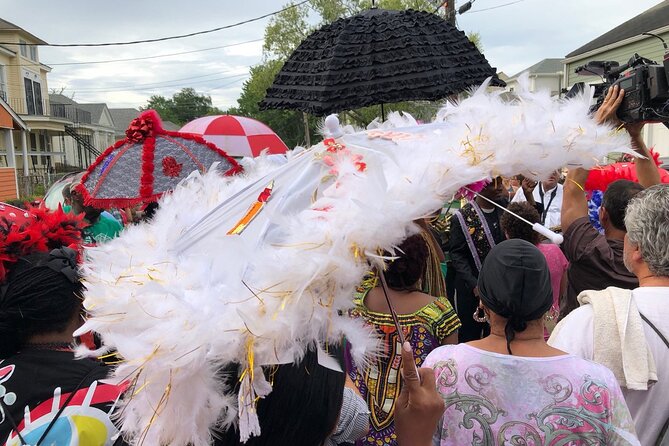
The next stop, Louis Armstrong Park, gets 25 minutes. The tour covers a broad range of local styles, from opera to second-line traditions. That range is a reminder that New Orleans music cannot be reduced to jazz alone. The city’s musical life includes formal and street traditions, and the walk uses the park as a place to connect those strands.
A guide’s skill matters here. David, who has led some tours, has been described as energetic and engaging, and has used sound bites and video snippets on an iPad. He has also asked participants about their musical interests and adjusted the conversation accordingly. That can make a short stop feel personal, though you should not assume David will lead your departure.
Basin Street and the Storyville years
At Basin St. Station, the guide discusses musical elements associated with the city and the origins of Basin Street Blues. The stop lasts 15 minutes. You are getting a compact story, not a full musical history, but the setting gives the song’s name a real place on the map.
From there, the route turns to Storyville, the former red-light district. The 15-minute stop focuses on early jazz and includes recorded music from that period. Hearing music alongside the neighborhood’s story helps make the past less abstract. It also places jazz within the social world in which it developed, rather than presenting it as a string of dates and famous names.
The tour then visits May Baily’s Place, where you enter a replica of a Storyville parlour. This stop is also 15 minutes. The replica offers a visual aid for the district’s history, but keep expectations measured: it is a reproduction, not a surviving original parlour. Its value is in helping you imagine the setting while the guide fills in the context.
If you are drawn mainly to live performances, this portion may feel more explanatory than musical. The route uses recordings and storytelling rather than a concert. That is a useful distinction when deciding whether this is the right activity for your afternoon.
Bourbon Street and the finish at Preservation Hall
Bourbon Street is the tour’s stop for the French Opera and rhythm-and-blues traditions associated with the city’s best-known street. The 15-minute visit offers a useful counterpoint to the Storyville section: New Orleans music developed across different settings and audiences, not in one district or one era.
The tour’s highlights also include the Tango Belt and the French Opera House, but those places are not listed as timed itinerary stops. The same goes for J&M Studios, described in the tour’s highlights as the birthplace of rock and roll, and the New Orleans Musicians Tomb. If one of these is a must-see for you, ask the operator whether it is included on your date. The timed route gives no clear indication that you will enter or stop at them.
The walk ends at Preservation Hall, the legendary traditional jazz venue on St. Peter Street. The visit is listed as 15 minutes, and admission is not included. That means the tour finishes outside the venue rather than bundling a performance or entry into its $25 price. You can treat the stop as a fitting final chapter, then decide separately whether to attend a show.
Ending here works well as a musical full stop. You have moved from African musical roots through early jazz and later styles to a venue devoted to traditional jazz today. The tour’s strongest idea is this connection between past and present, even if the short stop does not replace hearing the music live.
More walking tours in New Orleans:
- New Orleans Premier Ghost, Voodoo and Vampire Walking Tour
★ 4.5 · 12,856 reviews - New Orleans Food Walking Tour of the French Quarter with Small-Group Option
★ 5.0 · 6,118 reviews - St. Louis Cemetery No. 1 Official Walking Tour
★ 4.5 · 3,941 reviews - New Orleans French Quarter, Voodoo and Culture Walking Tour
★ 4.5 · 2,961 reviews
What the guide can add
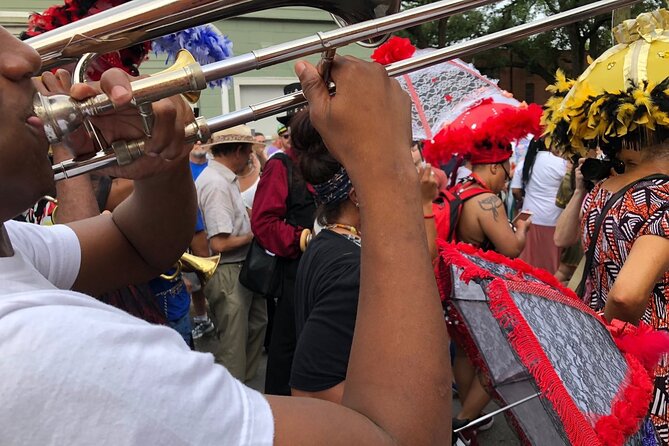
A good guide is the difference between a list of addresses and a coherent walk. David has led tours with strong energy and a clear interest in music history. He has brought an iPad for audio and video snippets, asked about participants’ tastes, and adapted the route’s discussion to those interests. One especially personal account described a stop at an art gallery where the guide and participant played piano together. That is an unusual touch, not something to count on, but it suggests the walk can become conversational rather than scripted.
Small groups help. With no more than 14 people, it should be easier to hear the guide and ask questions than on a large bus tour. If you have a particular interest, say so early: opera, second lines, early jazz, or recording history are all relevant threads in the route.
There is a less cheerful side to the guide question. Several people have reported arriving for a scheduled tour only to find no guide, including accounts of delayed notice or a cancellation after the meeting time. That is a serious practical drawback, especially if you have planned your afternoon around the walk. Contact NOLA Historic Tours before leaving for the meeting point and ask them to confirm that the 2:00 p.m. departure is going ahead.
Is $25 a fair price?
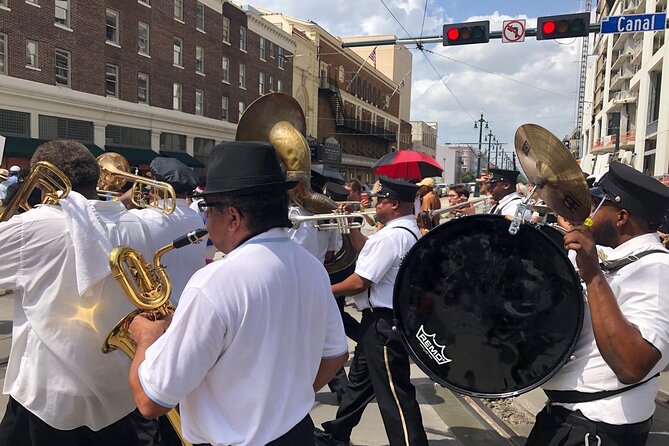
At $25 per person, the tour is reasonably priced for a two-hour guided walk with a small group and a route spanning several music-related neighborhoods and landmarks. The value rests mainly on the guide’s interpretation. You are paying for explanations, historical connections, and recorded examples, not entry to a series of attractions or a live performance.
That can be a good deal if you want a clear introduction to New Orleans music and enjoy walking while you learn. It is less compelling if your priority is getting inside studios or attending a concert, since the itinerary does not list a studio visit and Preservation Hall admission is not included.
The group cap of 14 is a useful part of the value. A smaller group gives you a better chance to ask questions, and the tour’s reported flexibility can make the experience more relevant to your interests. Still, the no-show reports temper the calculation. A low price does not compensate for a missed tour, so confirm the departure rather than treating the meeting time as guaranteed.
Practical details before you book
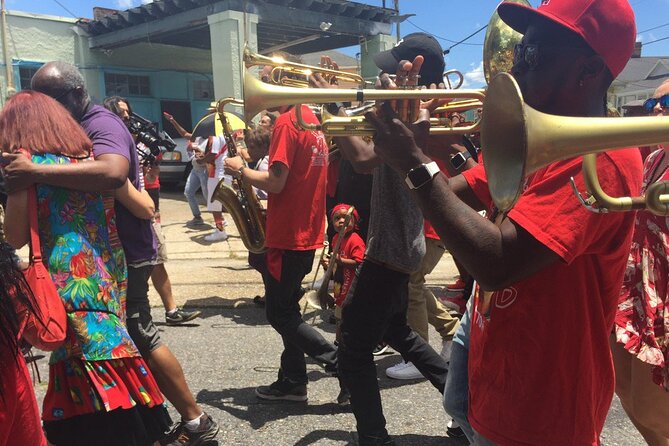
The walk is offered in English, uses a mobile ticket, and starts at 2:00 p.m. at Rampart Treehouse, 740 N. Rampart St. It ends at Preservation Hall, 726 St. Peter Street. The tour lasts about two hours, and the stated maximum group size is 14.
You should be comfortable walking for the duration. The activity calls for a moderate level of physical fitness, and it requires good weather. If poor weather leads to a cancellation, you will be offered another date or a full refund. You can cancel for a full refund up to 24 hours before the start time; cancellations or changes made inside that window are not accepted.
The route is near public transportation, and service animals are allowed. Those details may help with planning, but they do not resolve the main uncertainty: whether a particular departure will run. Confirming with the operator is the sensible step, especially if you have a tight schedule.
Who should take this walk?
I would choose this tour if you want a guided introduction to the many strands of New Orleans music, not just a jazz-themed stroll. Its sequence gives you a useful framework: African musical influence, opera and second lines, early jazz, Storyville, rhythm and blues, and a final stop at Preservation Hall.
It also suits curious listeners who like stories and short audio examples more than a formal lecture. Ask questions, tell the guide what you listen to, and you may get a more focused conversation. If you are travelling with someone whose musical interests differ from yours, the range of styles gives the guide several ways into the subject.
I would hesitate if you need dependable timing above all else, want guaranteed entry to J&M Studios, or expect a performance to be included. The tour has worthwhile substance, but the named highlights and actual timed route do not fully match, and missed departures have been reported.
Book it if the musical story appeals and you can confirm the tour is running. If the studio or musicians’ tomb is the main reason you are interested, get a clear answer about those stops before paying. The best use of this walk is as a thoughtful orientation to New Orleans music, with Preservation Hall as a final landmark rather than the whole show.
FAQ
How long is the New Orleans Music Walking Tour?
It lasts about two hours. The listed stop times add up to approximately 120 minutes.
Where does the tour start and end?
It starts at Rampart Treehouse, 740 N. Rampart St., and ends at Preservation Hall, 726 St. Peter Street.
What time does the tour begin?
The scheduled start time is 2:00 p.m.
How much does the tour cost?
The listed price is $25 per person.
What is the maximum group size?
The tour is limited to 14 people.
What language is the tour offered in?
The tour is offered in English.
Is admission to Preservation Hall included?
No. The stop at Preservation Hall is listed with admission not included.
What is the cancellation policy?
You can cancel at least 24 hours before the start for a full refund. Cancellations or changes made less than 24 hours before the start are not accepted. If poor weather cancels the tour, you will be offered another date or a full refund.
Newest tours in New Orleans
- New Orleans : Garden District Architecture Walking tour★ 4.8 · 5 reviews
- True Voodoo History of NOLA’s Congo Square with Local Guide★ 4.9 · 16 reviews
- From New Orleans: Whitney and Laura Guided Plantation Tour★ 4.9 · 20 reviews
- Ultimate Denver Day Out: Red Rocks, City Views & Ice Cream★ 5.0 · 7 reviews
- Witches Coven Walking Tour in New Orleans★ 5.0 · 49 reviews
- Treme Bar Crawl & Seafood Experience★ 4.2 · 7 reviews
- New Orleans Self-Guided Kayak Bayou Swamp Tour★ 5.0 · 9 reviews
- Whitney Plantation and Soul of New Orleans City Tour Combo★ 5.0 · 13 reviews
New Orleans Jazz Tours, compared.
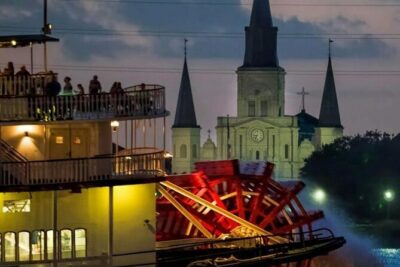
New Orleans Steamboat Natchez Jazz Cruise with Dinner Option
Read our review →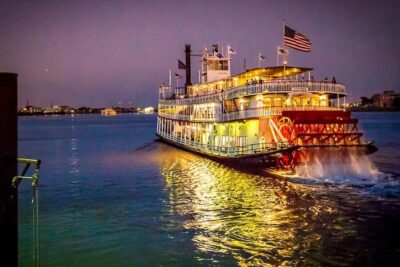
Evening Steamboat Jazz Cruise + Optional Dinner
Read our review →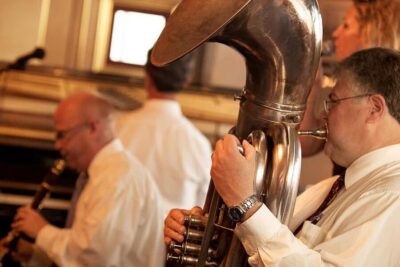
Daytime Steamboat Jazz Cruise + Optional Lunch
Read our review →
Paddlewheeler Creole Queen Jazz Dinner Cruise in New Orleans
Read our review →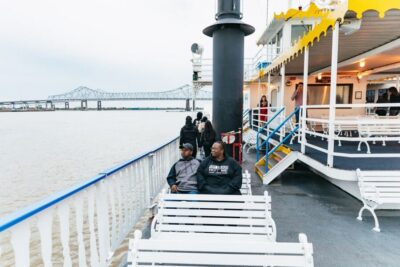
Evening Jazz Boat Cruise with Optional Dinner
Read our review →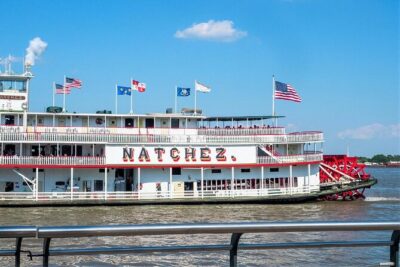
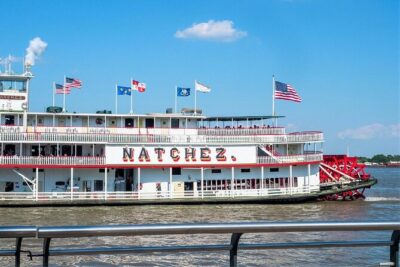
VIP Jazz Dinner Cruise with Private Tour and Open Bar Option
Read our review →
Frenchmen Street VIP Live Music Pub Crawl in New Orleans
Read our review →Browse the lists this tour appears in