
Reviewed · NEW ORLEANS FRENCH QUARTER TOURS
New Orleans: French Quarter Walking Tour
The most revealing French Quarter stories are often attached to ordinary-looking buildings. On this two-hour walk, you’ll hear how a careless act sparked the Great Fire of 1788, where enslaved Africans were sold, and how jazz musician Danny Barker helped keep traditional jazz alive.
I like the mix of big history and street-level detail, from the Ursuline Convent to a former macaroni factory. I also like that guides such as Regine have been praised for answering questions and offering useful tips for the rest of your stay. One consideration: it’s a walking tour that goes rain or shine, and the $50 price does not include food or drink.
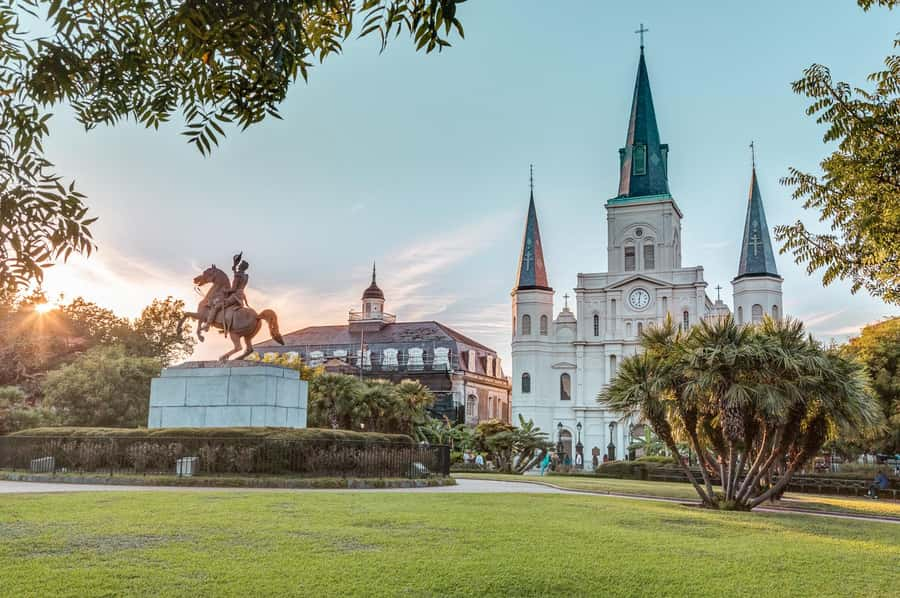
- Jackson Square sets the scene: Meet near the square, once a parade ground and now a gathering place for musicians, tarot readers, and street performers.
- The Great Fire has a specific address: See the Chartres Street house connected to the 1788 fire that destroyed about 80 percent of the city.
- Slavery is part of the route: Learn about former slave markets and the powerful Creole trader Jean Francois Merieult.
- Jazz history gets personal: Pass Danny Barker’s house and stop at Preservation Hall, a center of traditional jazz.
- Come ready for the weather: Wear solid shoes and suitable clothing. The two-hour walk runs rain or shine.
A French Quarter walk with more than pretty balconies
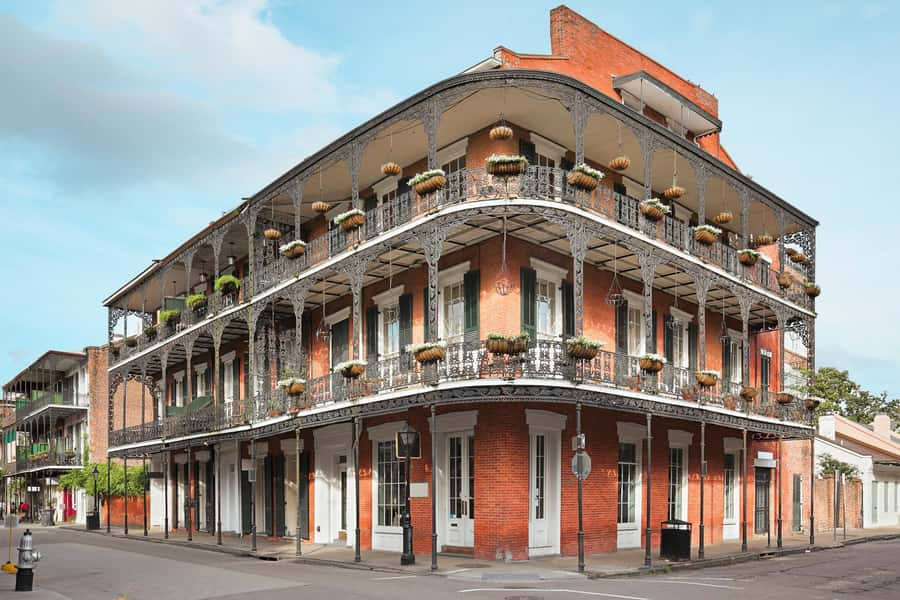
The French Quarter is easy to admire at a glance: iron balconies, old courtyards, and streets that seem made for wandering. But its buildings also hold harder stories, including the sale of enslaved people and fires that reshaped the city. This tour gives you a guide to those layers, with stops that connect the Quarter’s architecture to the people who lived and worked there.
The route starts near Jackson Square and loops through the lower French Quarter before ending back at the square. In two hours, you’ll cover colonial-era buildings, immigrant history, jazz, slavery, and the city’s exposure to hurricanes. That is a lot to take in, so I’d treat this as a strong introduction rather than a final word on New Orleans history.
The tour costs $50 per person and lasts two hours. That is reasonable if you value a guide who can explain why a building matters, rather than simply pointing out its age or appearance. If you prefer to explore at your own pace, or want a long visit inside museums and historic sites, this may feel too brisk.
Find the guide on St. Ann Street
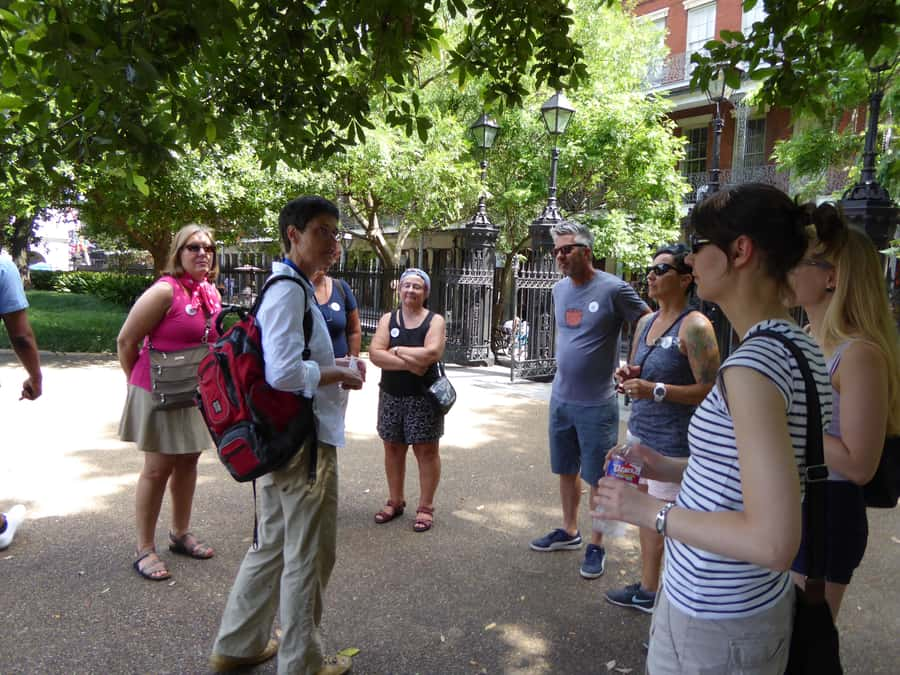
The meeting point is in front of the former Louisiana Welcome Center at 529 St. Ann Street, in the lower Pontalba Rowhouse beside Jackson Square. The storefront is now occupied by the oyster restaurant Fives Bar. Look for a licensed 504Tours guide on the pedestrian-only stretch of St. Ann, about half a block from Chartres Street.
The location can be easy to misread if you only search for the old welcome center name. As you face the river from Jackson Square, the meeting point is to the left of the square. Arrive with enough time to spot your guide rather than rushing in at the start.
Regine is a guide whose tours have drawn particular praise for personal attention, historical context, and practical suggestions for the rest of a New Orleans visit. That is useful on an introductory walk: you can ask questions as you go and get ideas for what to see after the tour. The experience is offered in English and German, though you should check which language is available at your chosen time.
More French Quarter tours in New Orleans:
- New Orleans Food Walking Tour of the French Quarter with Small-Group Option
★ 5.0 · 6,118 reviews - New Orleans French Quarter, Voodoo and Culture Walking Tour
★ 4.5 · 2,961 reviews - French Quarter Historical Sights and Stories Walking Tour
★ 5.0 · 2,724 reviews
Start at Jackson Square, once a parade ground
Jackson Square gives the tour a fitting opening. It was historically used as a parade ground; today, musicians, tarot card readers, and street performers fill the space. That contrast gives you a quick sense of how the square has changed while remaining a public stage for city life.
The guide begins the walk here, then leads you downriver along the old French Market. This first stretch helps orient you to the Quarter before the route turns toward its older buildings and more specific stories. If you are new to New Orleans, pay attention to the route and landmarks. You’ll return to Jackson Square at the end, with a better sense of how this part of the neighborhood fits together.
The Ursuline Convent and the city’s early years
The route reaches the Ursuline Convent, described as the oldest building in the Mississippi Delta from the colonial period. The convent’s nuns arrived in the early 1700s and are remembered as adventurous and courageous. Their story adds a human scale to the early history of the city: New Orleans was not just a port or a trading post, but a place where people took great risks to build a life.
The stop is especially valuable if you enjoy seeing how institutions shaped a city over time. You’ll hear about the building and the women connected to it, rather than treating it as a picturesque landmark. The tour is a walking visit, so do not assume you’ll have time for a full interior visit. The emphasis is on the story told along the route.
Danny Barker, jazz, and a former macaroni factory
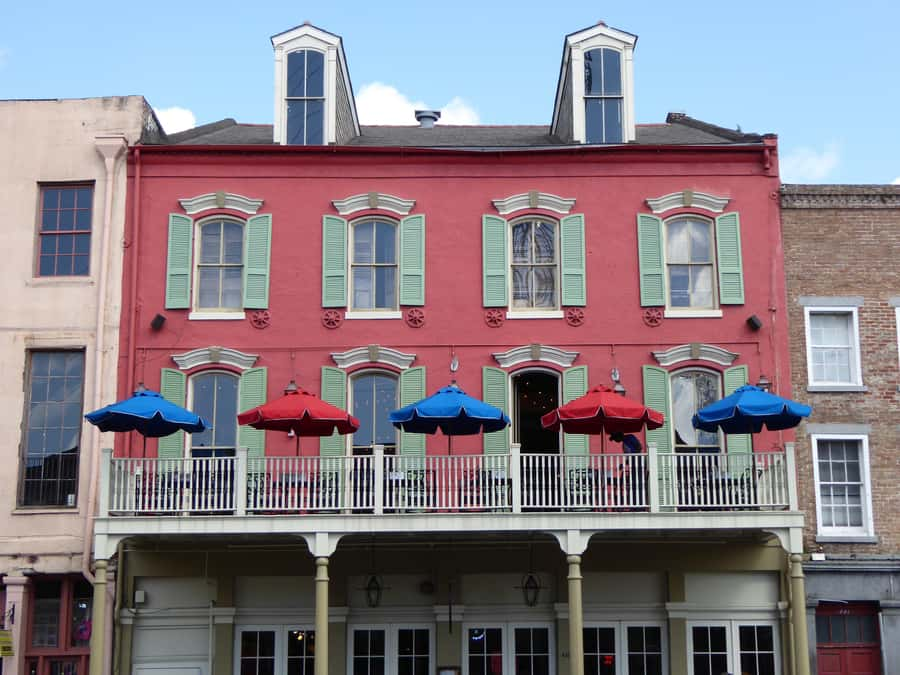
The walk passes the house of Danny Barker, a banjo player whose influence on traditional jazz reached well beyond his own performances. The tour explains his role in preserving the music, connecting a particular home to a larger cultural legacy. That is one of the route’s better examples of how New Orleans history lives in everyday places, not only in formal museums.
You’ll also pass one of the lower French Quarter’s former macaroni factories. It points to the major role Sicilian immigrants played in the city’s history. This is a useful reminder that the Quarter’s story did not end with its colonial period. The neighborhood changed as new communities arrived, opened businesses, and helped shape local life.
These stops offer a welcome change of scale. A grand building can make history feel remote; a home or a factory can bring it closer. If you’re particularly interested in music, food, or immigration, you’ll likely appreciate how the guide connects each subject to a real address.
More walking tours in New Orleans:
- New Orleans Premier Ghost, Voodoo and Vampire Walking Tour
★ 4.5 · 12,856 reviews - St. Louis Cemetery No. 1 Official Walking Tour
★ 4.5 · 3,941 reviews - New Orleans Garden District History Walking Tour
★ 5.0 · 2,879 reviews - New Orleans Haunted Ghost, Voodoo & Vampire Walking Tour
★ 4.5 · 2,731 reviews
A house linked to the Great Fire of 1788
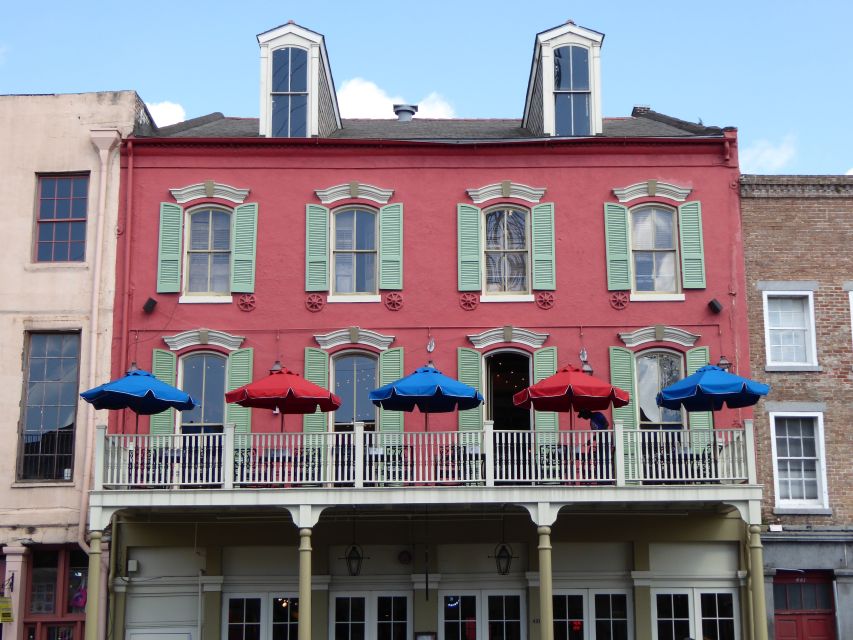
On Chartres Street, you’ll see the house of Vincente Nunez, a Spaniard whose carelessness caused the Great Fire of 1788. The fire destroyed about 80 percent of the city, making this one of the tour’s starkest stories. A small domestic mistake had consequences on a scale that changed New Orleans.
The stop makes the Quarter’s architecture easier to read. These buildings are not just old facades; they sit in a city shaped by disaster and rebuilding. The tour also connects the story of the fire to the broader question of how New Orleans has tried to protect itself from hurricanes, including the deadly storm Katrina. That context matters because the city’s relationship with water and severe weather is not an abstract subject. It is part of its history and its ongoing life.
You should expect serious material here. The tour covers both a historic fire and Katrina, so it is not simply a light stroll through pretty streets. If you want a walking tour that sticks to architecture and entertaining anecdotes, this one takes a wider and more difficult view.
Former slave markets and a difficult history
The route passes several former slave markets and the site of the former St. Louis Hotel and Exchange, where thousands of Africans were sold into slavery. You’ll also hear about Jean Francois Merieult, an influential Creole businessman and slave trader. These are among the most important stops because they confront the role slavery played in the city’s economy and daily life.
Expect the guide to discuss places that may look unremarkable today but were once sites of profound human suffering. The value of this part of the tour is not that it makes the past comfortable. It gives you a clearer understanding of how power and wealth were built, and where those systems operated in the Quarter.
The subject matter may be heavy, especially alongside the fire and hurricane stories. I think that weight is appropriate to the city’s history, but you should choose this tour knowing it offers more than cheerful tales of food and music.
Beignets at Cafe du Monde, without a meal included
One highlight is a look at how Cafe du Monde’s famous beignets are made. It offers a glimpse into the work behind a well-known New Orleans treat, rather than simply sending you off to eat one. Food and drink are not included in the tour price, so budget separately if you want to stop for refreshments.
The route follows the old French Market, and the Cafe du Monde stop brings a familiar food tradition into the wider story of the Quarter. It is a lighter moment in an itinerary that also covers slavery, disaster, and storms. Still, keep expectations practical: the experience is a two-hour guided walk, not a food tour with tastings.
Preservation Hall and a return to Jackson Square
Near the end of the walk, you’ll stop at Preservation Hall, a revered home of traditional jazz. It complements the story of Danny Barker by showing that the music’s history is tied to places as well as performers. You’ll then return to Jackson Square, where the guide closes with the story of Madame de Pontalba, a French baroness and businesswoman with a keen interest in architecture.
Ending at the square gives the route a tidy shape and leaves you near the tour’s starting point. It also gives you a final way to look again at the buildings around you: not just as scenery, but as the work of people with money, influence, and strong ideas about how a city should look.
The sequence moves between very different themes, which keeps the walk from becoming a single-topic lesson. At the same time, two hours is short for this much history. If a particular stop catches your interest, make a note to return later or ask your guide for a suggestion.
Is $50 good value for two hours?
At $50 per person, you are paying for the guide’s interpretation and the route’s range, not for entry to attractions or included food. The tour links a number of specific places to bigger stories, including colonial New Orleans, Sicilian immigration, jazz, slavery, fire, and hurricanes. That can help you make sense of the French Quarter far more quickly than wandering without context.
The strongest value is likely for first-time visitors who want a focused orientation and enjoy asking questions. Several people who took tours with Regine have particularly valued her personal approach, detailed background, and tips for later in their stay. Those qualities can make a short walk useful beyond its scheduled two hours.
The less compelling value is for anyone seeking an unhurried, self-directed visit or a food-focused outing. You will not get a meal, and the route is packed with topics. Think of the price as paying for a guided introduction, not an all-inclusive experience.
The tour is wheelchair accessible, lasts two hours, and runs rain or shine. Wear solid shoes and clothing suited to the weather. Free cancellation is available up to 24 hours in advance, and you can reserve now and pay later.
Should you book this French Quarter tour?
Book it if you want a compact, guided introduction to the Quarter that balances its beauty with its difficult history. The route is especially suited to first-time visitors, people interested in jazz and architecture, and anyone who wants context for familiar landmarks before exploring more on their own. If you can join Regine, the personal attention and practical local tips may be an added benefit.
Skip it if you want a slow-paced food tour, a long visit inside historic buildings, or a walk focused only on lighthearted stories. For most curious visitors, though, this is a useful way to spend two hours: you’ll leave with specific addresses, names, and stories that make the French Quarter easier to understand.
FAQ
How long is the French Quarter walking tour?
The guided walk lasts two hours.
Where does the tour meet?
It meets at 529 St. Ann Street, in front of the former Louisiana Welcome Center. Fives Bar now occupies that storefront. Look for a licensed 504Tours guide.
Which languages are available?
The tour is offered in English and German. Check the available starting times for your preferred language.
Is the tour wheelchair accessible?
Yes, the activity is listed as wheelchair accessible.
Does the tour run in bad weather?
Yes. The walk takes place rain or shine, so wear appropriate clothing and solid shoes.
Are food and drinks included?
No. Food and drink are not included in the $50 price.
Can I cancel for a refund?
You can cancel up to 24 hours in advance for a full refund.
What are some of the main stops and stories?
The walk includes Jackson Square, the Ursuline Convent, Danny Barker’s house, a former macaroni factory, the Chartres Street house linked to the Great Fire of 1788, former slave-market sites, Preservation Hall, and a look at beignet-making at Cafe du Monde.
Newest tours in New Orleans
- New Orleans : Garden District Architecture Walking tour★ 4.8 · 5 reviews
- Ultimate Denver Day Out: Red Rocks, City Views & Ice Cream★ 5.0 · 7 reviews
- True Voodoo History of NOLA’s Congo Square with Local Guide★ 4.9 · 16 reviews
- From New Orleans: Whitney and Laura Guided Plantation Tour★ 4.9 · 20 reviews
- Witches Coven Walking Tour in New Orleans★ 5.0 · 49 reviews
- Treme Bar Crawl & Seafood Experience★ 4.2 · 7 reviews
- Craft brewery hopping through New Orleans | Uptown★ 5.0 · 31 reviews
- New Orleans Self-Guided Kayak Bayou Swamp Tour★ 5.0 · 9 reviews
New Orleans French Quarter Tours, compared.

New Orleans Food Walking Tour of the French Quarter with Small-Group Option
Read our review →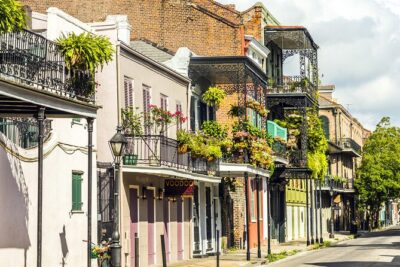
New Orleans French Quarter, Voodoo and Culture Walking Tour
Read our review →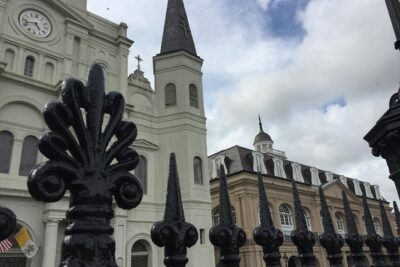
French Quarter Historical Sights and Stories Walking Tour
Read our review →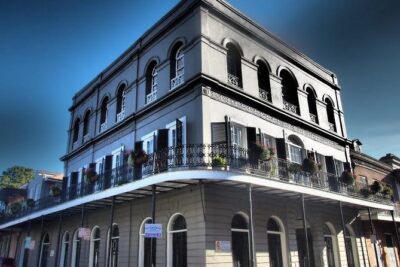
Ghost and Vampire Walking Tour Of The French Quarter
Read our review →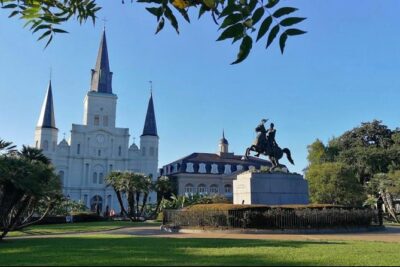
New Orleans City Tour: French Quarter, Garden District & Cemetery
Read our review →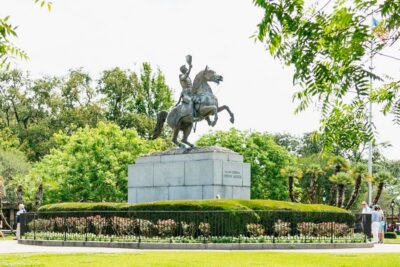

New Orleans French Quarter Food Tour: Cajun, Creole and Culture
Read our review →
New Orleans French Quarter and More Carriage Ride
Read our review →Browse the lists this tour appears in