
Reviewed · NEW ORLEANS BIKE TOURS
New Orleans Creole Odyssey Small-Group Bike Tour
New Orleans is more than the French Quarter, and this three-hour bike ride gives you a practical way to see how the city changes as you pedal toward Mid-City, City Park, and Bayou St. John. Along the way, you get a closer look at Creole culture, burial traditions, and the waterway that helped shape the city.
I like two things in particular: the route reaches places that are easy to miss on a short city break, and the small group size, capped at 10, leaves room to ask questions. Guides Eric and Gomez have been praised for their warmth and lively storytelling, though your guide may vary.
The route is described as flat and leisurely, but the tour information also calls for a strong fitness level. You’ll be on a bike for much of the outing, so consider your stamina, shoes, and comfort riding before booking.
- A route beyond the Quarter: Ride through Faubourg Marigny and Mid-City, then reach City Park and Bayou St. John.
- Creole stories along the way: Hear about the city’s beginnings, burial customs, and the roots of jazz at Congo Square.
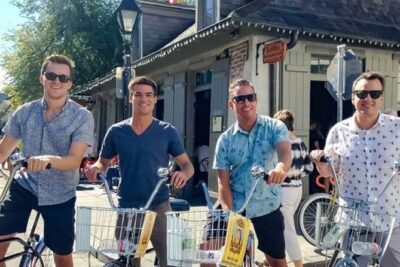
- A small group: No more than 10 people ride with the guide, making conversation and questions easier.
- A cemetery stop: St. Louis Cemetery No. 3 offers a closer look at local burial practices.
- A simple price: At $55 per person, bike, helmet, bottled water, and a professional guide are included.
- Useful limits to know: Riders must be at least 13 and taller than 4 feet 11 inches. Closed-toed shoes are preferred, and flip-flops are not allowed.
A ride from the Quarter into everyday New Orleans
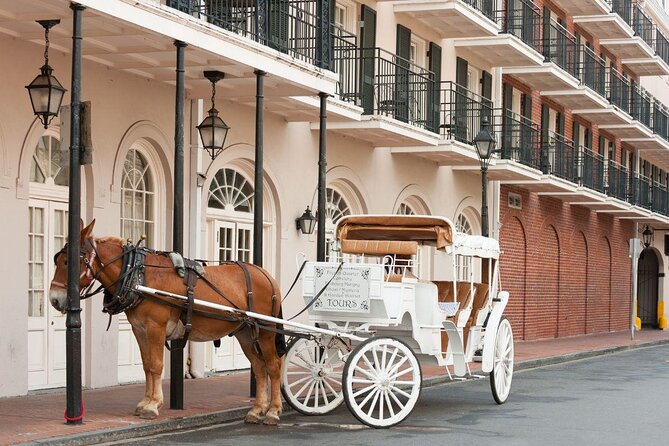
The tour starts at Flambeaux Bicycle Tours, at 626 N Rampart Street, near the French Quarter. From there, the route moves away from the best-known streets and toward neighborhoods and green spaces that can be harder to fit into a walking visit.
That change of scene is the main reason to choose this tour. The French Quarter is a fine place to begin a New Orleans trip, but it does not tell the whole story. On a bike, you cover more ground than you would on foot, and the shift from old streets to leafy avenues and open parkland helps make the city’s variety clear.
The ride lasts about three hours and has a relaxed character, with stops for short talks and a break at City Park. It is not a race, but you should still expect sustained time in the saddle. The group is limited to 10, which helps keep the ride from feeling like a bicycle parade.
French Quarter and Faubourg Marigny: history with a local beat
The first stop is in the French Quarter, where the guide points out the city’s oldest building. It’s a compact introduction to New Orleans’ beginnings before the group heads toward Mid-City. The stop is brief, so think of it as a starting point for the larger story rather than a full architectural tour.
Next comes Faubourg Marigny, with a stop near Frenchmen Street. The area is tied to the city’s music and cultural life, and the guide connects its history to the character of New Orleans today. This is a useful contrast with the Quarter: the focus shifts from the city’s most familiar streets to another neighborhood with its own identity.
The tour description highlights music and cultural history here, not a long stop inside venues. You’ll be riding, listening, and taking in the area rather than settling in for a concert. If Frenchmen Street is on your personal wish list, you can return later at your own pace.
More bike tours in New Orleans:
- New Orleans French Quarter and Garden District Bike Tour
★ 5.0 · 410 reviews - Creole New Orleans Electric Bike Tour (ages 16 & up)
★ 5.0 · 230 reviews - New Orleans History and Sightseeing Small-Group Bike Tour
★ 5.0 · 215 reviews
Mid-City by bike: the long stretch of the ride
Mid-City takes up much of the tour, with roughly two hours allotted to riding and stops in this part of the route. That makes the trip more than a quick loop around the French Quarter. You have time to see how the streets, parks, and neighborhoods change as you travel away from the historic core.
A bicycle is particularly useful here. Walking between the Quarter, the cemetery, and City Park would take far longer, while a car would make it harder to appreciate the route at street level. The bike offers a middle ground: enough range to reach distant sights, with room to pause for the guide’s explanations.
The path is described as flat and easy, but the provider asks participants to have a strong fitness level. Those details are worth weighing together. Flat terrain means you avoid steep climbs, but you’ll still be riding for a substantial portion of the outing. If you’re unsure, consider your usual comfort on a bicycle rather than relying on the word easy alone.
Guests who have taken other city bike tours have described the bicycles as one-speed, with an old-fashioned seat. That setup may feel basic if you expect a modern geared bike, but it suits a straightforward route without hills. The included bicycle and helmet mean you don’t need to arrange your own equipment.
St. Louis Cemetery No. 3: burial customs up close
At St. Louis Cemetery No. 3, the guide explains local burial practices. Cemeteries are part of the New Orleans story, and this stop adds a cultural detail that can be hard to understand from a drive-by view.
You’ll have about 20 minutes here, enough for an introduction and a look around with the group. The focus is on how the district handles burials, not simply on the cemetery’s age or appearance. If cemeteries are a central interest for you, keep in mind that this is one stop in a wider ride, not an extended cemetery visit.
The cemetery also gives the tour a quieter pause between neighborhood riding and the open space of City Park. That variety is part of the appeal: you’re not spending three hours looking at one kind of sight.
City Park and a café break
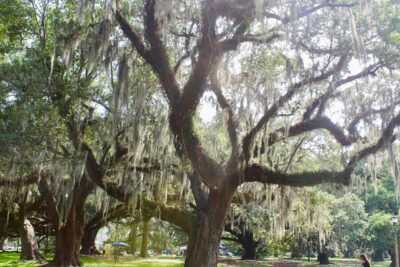
City Park is the largest urban park in New Orleans and a major change of pace from the city streets. The route includes a ride through the park, with a short break at its Café du Monde location. You’ll have about 10 minutes for the break, so it’s a chance to catch your breath and enjoy a quick stop, not a long meal.
Food and drinks are not included in the tour price, so budget separately if you plan to buy something. Bottled water is included, which is helpful on a warm day, but bring what you need for the weather and your own comfort.
The park’s size makes it a good place to appreciate how far the group has traveled from the Quarter. You get greenery and space along with the city history, without needing to plan a separate visit to reach it. If City Park is high on your list, you can always return later for a longer look.
Same city, a different kind of day:
- New Orleans Premier Ghost, Voodoo and Vampire Walking Tour
★ 4.5 · 12,856 reviews - New Orleans Steamboat Natchez Jazz Cruise with Dinner Option
★ 4.0 · 7,533 reviews - Adults-Only New Orleans Ghost, Crime, Voodoo, and Vampire Tour
★ 5.0 · 6,545 reviews - New Orleans Food Walking Tour of the French Quarter with Small-Group Option
★ 5.0 · 6,118 reviews
Bayou St. John: the route’s watery edge
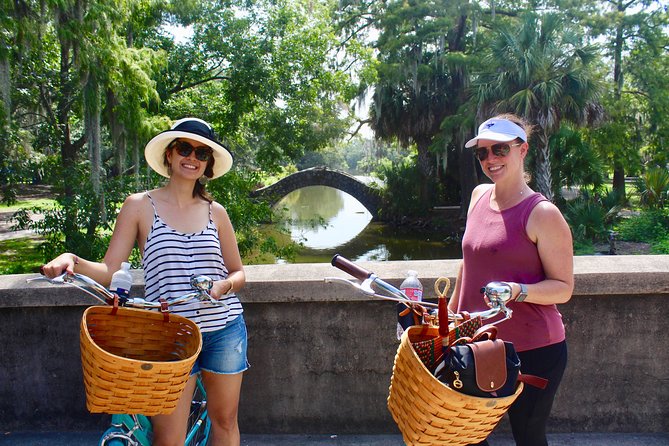
The ride continues to Bayou St. John, a natural and historic waterway once traversed by Native Americans and early French settlers. This is one of the tour’s most distinctive stops because it connects the city’s growth to the waterways around it.
The stop lasts about 15 minutes, so expect a short visit and an explanation rather than a long stay by the water. Even so, reaching the bayou helps put New Orleans’ geography into context. The city is not only streets, squares, and buildings; its waterways have long shaped movement and settlement.
For many people, this is the point where the tour feels furthest from the standard French Quarter visit. You’re seeing a different side of the city without needing to organize transport or map a route on your own.
Congo Square and the story of jazz
On the way back, the tour stops at Congo Square in Louis Armstrong Park. The guide talks about the site’s importance to the origins of jazz, giving you a cultural thread to carry back into the city’s music scene.
The stop is brief, around 15 minutes, but it sits within a route that has already connected neighborhoods, burial traditions, and the bayou. That context matters. Rather than treating music as an isolated attraction, the guide can place Congo Square within a broader account of New Orleans’ history and culture.
The tour then returns to the Flambeaux shop, ending where it began. You can carry on exploring from the French Quarter afterward, or use the ride as a first-day overview to help decide where you want to spend more time.
Guides, group size, and what the ride feels like
The guide can make a big difference on a tour built around local stories. Eric and Gomez are names associated with particularly warm, engaging tours. Eric has been praised for his knowledge of the city and personal delivery, while Gomez has been described as a strong storyteller who answers questions and speaks Spanish and English. Guide assignments can vary, so treat those names as examples, not a promise.
A group limit of 10 is a practical advantage. It is easier to hear the guide and ask a question than it would be in a large pack. You also avoid the stop-and-start feel that can come with a much bigger group, though you’ll still need to ride at the group’s pace.
The tour includes a professional guide, bicycle, helmet, and bottled water. Food and other drinks are extra, and gratuities are not included. There’s a coffee shop next door to the meeting point if you want a coffee or pastry beforehand. The provider recommends dressing for the weather and wearing closed-toed shoes. Sandals with heel straps are an option; flip-flops and slippers are prohibited for safety.
Is $55 good value for this New Orleans ride?
At $55 per person, this tour bundles a guide, bike, helmet, and bottled water into a roughly three-hour outing. The value is strongest if you want to cover several neighborhoods and landmarks without planning the route yourself. You’re paying for transport and interpretation as much as for the bicycle.
It also offers a compact introduction to places beyond the Quarter. City Park, St. Louis Cemetery No. 3, Bayou St. John, and Congo Square would take more effort to visit independently, especially if you have limited time. The guide’s stories help connect those stops instead of leaving you to piece together their significance on your own.
It is less compelling if you want a slow, in-depth visit at every stop, or if riding for much of three hours does not suit you. The City Park café break is short, and the cemetery and bayou visits are also limited. This is an overview by bike, not a full day at any one landmark.
Who should book this tour?
I’d choose this ride if you’ve already made time for the French Quarter and want a broader sense of New Orleans. It suits curious first-time visitors, families with teens who meet the age and height rules, and people who enjoy learning while moving through a city. The supplied feedback from families included teenagers aged 13, 16, and 18, all of whom enjoyed the ride.
It can also suit repeat visitors who want to see a different set of neighborhoods. The route’s appeal is not speed or athletic challenge. It’s the chance to cover ground, stop for context, and reach places you might otherwise skip.
Think twice if you dislike cycling, need a highly adjustable pace, or are counting on a guide with a particular name. The minimum age is 13, and all riders must be taller than 4 feet 11 inches. The provider describes the activity as requiring good physical fitness, so take that seriously even though the route is flat.
Book it if you want a lively, useful overview of the city beyond the Quarter and are comfortable on a bicycle. If you’d rather explore slowly on foot or spend longer at each sight, plan a different kind of day.
FAQ
How long is the New Orleans Creole Odyssey bike tour?
The tour lasts about three hours. Much of the route is spent riding through Mid-City, with stops at places including the cemetery, City Park, Bayou St. John, and Congo Square.
What is included in the $55 price?
The price includes a professional guide, use of a bicycle and helmet, and bottled water. Food, other drinks, and gratuities are not included.
Where does the tour start?
The meeting point is Flambeaux Bicycle Tours at 626 N Rampart Street, New Orleans, LA 70116. The tour ends back at the shop.
Are there age or height requirements?
Participants must be at least 13 years old and taller than 4 feet 11 inches.
What should I wear?
Dress for the weather and wear closed-toed shoes if possible. Flip-flops and slippers are not allowed while riding; sandals with heel straps are suggested as an alternative.
What happens if bad weather cancels the tour?
If poor weather leads to cancellation, you’ll be offered another date or a full refund.
Newest tours in New Orleans
- New Orleans : Garden District Architecture Walking tour★ 4.8 · 5 reviews
- From New Orleans: Whitney and Laura Guided Plantation Tour★ 4.9 · 20 reviews
- Ultimate Denver Day Out: Red Rocks, City Views & Ice Cream★ 5.0 · 7 reviews
- True Voodoo History of NOLA’s Congo Square with Local Guide★ 4.9 · 16 reviews
- Witches Coven Walking Tour in New Orleans★ 5.0 · 49 reviews
- Treme Bar Crawl & Seafood Experience★ 4.2 · 7 reviews
- New Orleans Self-Guided Kayak Bayou Swamp Tour★ 5.0 · 9 reviews
- Whitney Plantation and Soul of New Orleans City Tour Combo★ 5.0 · 13 reviews
New Orleans Bike Tours, compared.
New Orleans French Quarter and Garden District Bike Tour
Read our review →
Creole New Orleans Electric Bike Tour (ages 16 & up)
Read our review →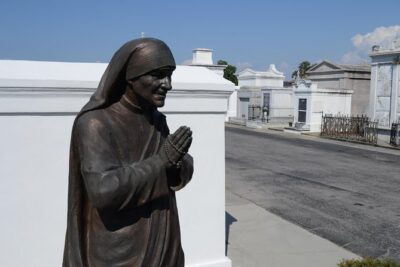
New Orleans History and Sightseeing Small-Group Bike Tour
Read our review →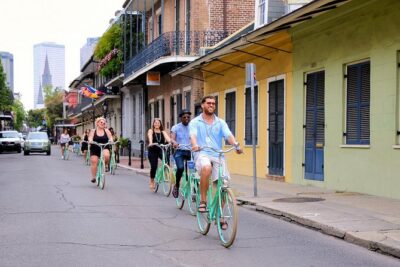
New Orleans Garden District and Cemetery Bike Tour
Read our review →
Browse the lists this tour appears in