
Reviewed · NEW ORLEANS ARCHITECTURE TOURS
Creole Architecture of the Marigny Tour
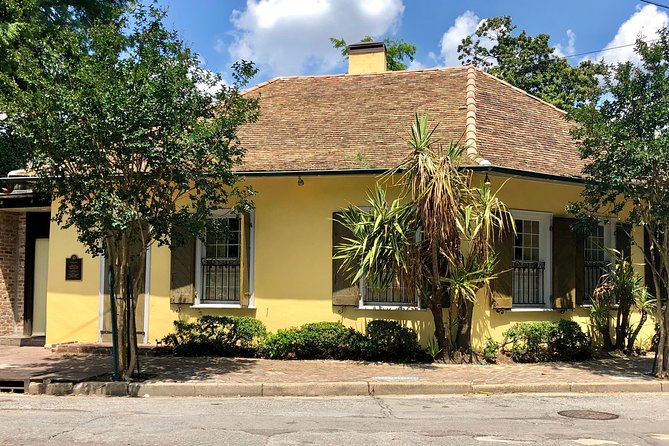
The Marigny’s appeal is written across its streets: stately Esplanade Avenue mansions give way to a mix of home styles shaped by Creole, Irish, German, and Haitian communities. This two-hour walk offers a useful way to see a side of New Orleans that can be easy to miss if you stay in the French Quarter.
I like the tour’s architecture focus, which gives you more to notice than pretty façades, and its local stories, which connect buildings to the people who shaped the neighborhood. Guides have included Kelsey, Karen, and Guy, with visual aids and personal anecdotes among the details that have made the walk especially engaging.
One consideration: this is a walking tour, and the Marigny portion takes about 80 minutes. You’ll get the most from it if you’re comfortable being on your feet and are more interested in streetside architecture and history than in entering museums or historic homes.
At a glance
- A gradual shift in architecture: Start at the Greek Revival Old Mint, then walk past Esplanade Avenue mansions and into the varied Marigny streets.
- A neighborhood shaped by many communities: Learn about the Creoles, Irish, Germans, and Haitians connected with the area.
- An 80-minute Marigny walk: Most of the tour time is spent exploring the neighborhood rather than making quick photo stops.
- Frenchmen Street at the finish: Get a brief look at the clubs, dance halls, and restaurants along this entertainment corridor.
- A small group, with a clear price: The $40 tour lasts about two hours and is limited to 14 people.
From the Old Mint to the Marigny
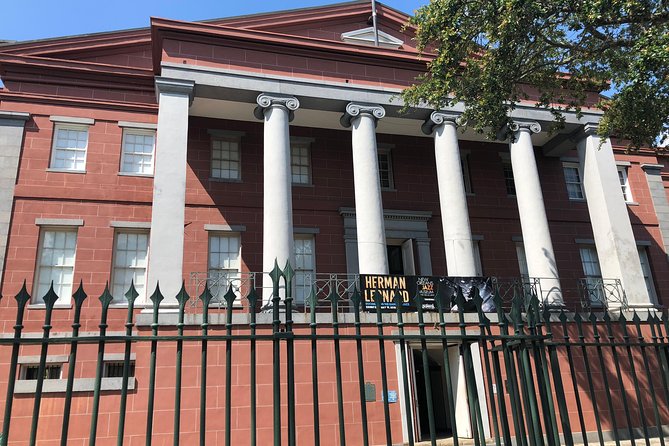
The tour begins in the French Quarter and heads to the New Orleans Jazz Museum, housed in the Old Mint. The building is a notable example of Greek Revival architecture, and the first stop uses it to set up both an architectural conversation and a short history of the downriver part of New Orleans.
You’ll spend about 10 minutes here. It’s a brisk introduction, not a museum visit: admission is listed as free, but the stop is about the building and its place in the neighborhood. If you want to explore the Jazz Museum itself, plan separate time rather than expecting this short stop to cover its exhibits.
That distinction helps you set the right expectations. This is a guided street walk, with the guide’s explanations doing much of the work. The building is an effective starting point because it gives you a clear example of one architectural style before the tour moves on to the more varied homes of the Marigny.
More architecture tours in New Orleans:
- New Orleans Garden District Architecture Tour
★ 5.0 · 369 reviews - New Orleans French Quarter Architecture Walking Tour
★ 5.0 · 290 reviews - New Orleans: History, Culture & Architecture Guided Tour
★ 4.6 · 38 reviews
Esplanade Avenue’s grand houses
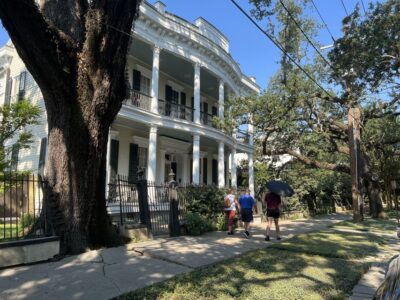
The next stop is a 20-minute stroll along Esplanade Avenue, where you’ll see mansions built in the early to mid-19th century. The guide discusses the people who built homes on this ridge, adding a social frame to the architectural details.
This part of the walk gives you time to slow down and look. Instead of treating the houses as a row of handsome façades, you can consider what their scale and location say about the families who chose to live here. The tour’s emphasis on who built these homes helps turn architecture into a record of the city’s growth and social changes.
A strong guide can make this section especially rewarding. Karen, one of the guides who has led the tour, has used visual aids to explain architectural styles and periods. Those tools can be useful if you don’t already know how to distinguish one style from another. You needn’t arrive with an architecture vocabulary; the point is to learn what to notice as you walk.
The Marigny’s mix of homes and histories
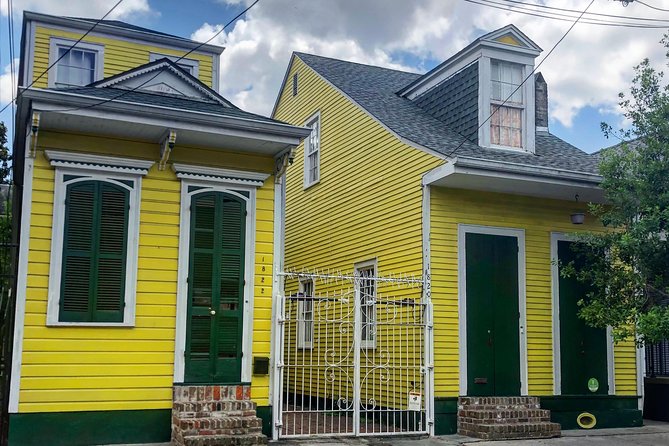
The longest part of the tour, about 80 minutes, takes place in Faubourg Marigny. Here the focus broadens from individual buildings to the neighborhood’s mix of cultures, including Creole, Irish, German, and Haitian communities. Local architects and builders created a variety of house types and styles, making this the heart of the experience for anyone curious about how New Orleans looks beyond its best-known quarter.
The time allocation matters. You’re not simply passing through the Marigny on the way to Frenchmen Street. Most of the tour is devoted to this neighborhood, giving your guide room to link building styles with migration, local history, and the people who lived here. That context is the real value of a guided walk: you can see the houses on your own, but a good explanation helps you understand why the variety matters.
Guides have brought different strengths to the walk. Kelsey has been praised for combining detailed information with an easygoing manner, and Guy has used personal anecdotes and visual aids to explain the area’s geography, migration, and architecture. These names are useful clues about the style of the tour, not a promise that you’ll have a particular guide on your date.
The subject is broad, so expect an overview rather than an exhaustive history of every building. That is a sensible trade-off for a two-hour walk. You come away with a way to read the neighborhood and a better sense of the communities that shaped it, rather than a long list of dates to memorize.
The Marigny is also where the tour’s off-the-beaten-path appeal becomes most apparent. Its value lies in helping you look beyond familiar French Quarter scenes and notice another part of the city at street level. If you’ve already spent time in New Orleans, this is a good way to add a different neighborhood to your understanding of the city. If it’s your first visit, it offers a useful counterpoint to the Quarter.
A short finish on Frenchmen Street
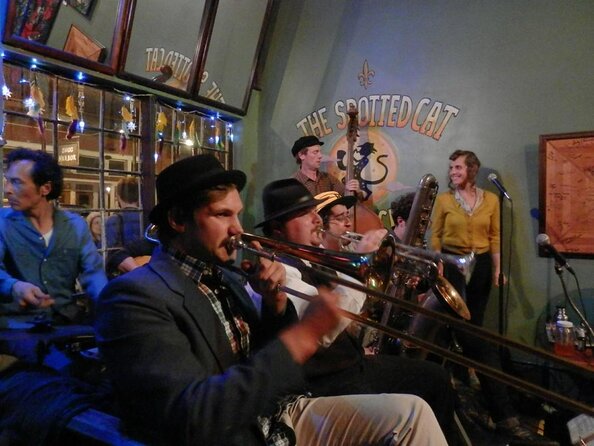
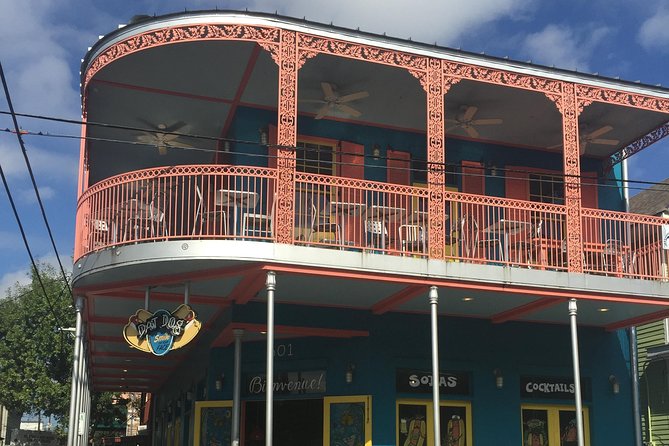
The final stop is a 10-minute stroll along Frenchmen Street. Clubs, dance halls, and restaurants line the street, which the tour presents as a newer entertainment corridor in New Orleans. It’s a quick look, not a full evening of music or dining.
Still, it’s a practical ending. You can get a feel for the street and decide if you’d like to return later. The tour recommends planning an evening here, but it does not include a club visit or a meal. Keep that distinction in mind when comparing this walk with tours that promise live entertainment.
The route ends back at the meeting point in the French Quarter. That makes it easy to continue your day from where you began, though you’ll want to allow time for the tour’s return walk when making other plans.
Same city, a different kind of day:
- New Orleans Premier Ghost, Voodoo and Vampire Walking Tour
★ 4.5 · 12,856 reviews - New Orleans Steamboat Natchez Jazz Cruise with Dinner Option
★ 4.0 · 7,533 reviews - Adults-Only New Orleans Ghost, Crime, Voodoo, and Vampire Tour
★ 5.0 · 6,545 reviews - New Orleans Food Walking Tour of the French Quarter with Small-Group Option
★ 5.0 · 6,118 reviews
What the $40 price gets you
At $40 per person for about two hours, the price is reasonable if you value a guide who can explain architecture and local history as you go. The group is capped at 14, which is small enough to make questions and conversation more practical than on a large coach tour. Admission is free at the listed stops, so the main thing you’re paying for is the guided walk and the interpretation.
The tour is also a good value if you like connecting visible details to a wider story. A guide can point out differences in house styles, explain the neighborhood’s cultural influences, and supply visual aids or personal anecdotes. Without that context, you might still enjoy the buildings, but you could miss the reasons this stretch of New Orleans is distinct.
It is less compelling if your priority is indoor attractions, long visits at a museum, or live music during the tour itself. The Jazz Museum stop lasts only 10 minutes, and Frenchmen Street gets a brief look at the end. Think of this as an outdoor history and architecture walk, not a package of admissions and performances.
The experience has a 5.0 rating from 46 reviews, with 100% recommending it. The strongest recurring points are the guides’ engaging explanations, detailed stories, and the less-crowded locations. Those are meaningful strengths for a walking tour, though the quality of the experience naturally depends in part on the guide leading your date.
Practical details before you go
The tour is offered in English, lasts approximately two hours, and uses a mobile ticket. Comfortable walking shoes are recommended. Since the weather needs to be favorable, bring clothing suited to the forecast and remember that a poor-weather cancellation comes with the choice of another date or a full refund.
The meeting point is in the French Quarter, New Orleans, LA 70116, and the tour returns there. It is near public transportation, service animals are allowed, and most people can participate. The group limit is 14, so the experience should feel more personal than a large group walk, while still being a shared tour rather than a private one.
It is booked an average of 10 days in advance. That is a useful planning guide, not a guarantee that every date will sell out or remain open. If the tour is central to your plans, booking ahead is sensible.
You can cancel for a full refund up to 24 hours before the start time. Changes or cancellations made less than 24 hours before the experience are not accepted for a refund. Cut-off times use local time, so check the time zone when arranging plans from elsewhere.
Is this Marigny walk right for you?
I’d choose this tour if you want a grounded introduction to New Orleans architecture and a neighborhood beyond the French Quarter. Its strongest feature is the way it connects buildings with the people and cultures that shaped them, especially during the long walk through Faubourg Marigny. The small group limit and the guides’ reported use of stories and visual aids add practical value.
I’d skip it if you’re looking for a low-walking activity, substantial time inside the Jazz Museum, or an evening of music included in the price. For curious walkers, though, the $40 cost buys a focused two-hour look at a part of New Orleans that can reward a slower pace. Book it early enough to get your preferred date, wear comfortable shoes, and consider saving Frenchmen Street for a return visit after dark.
FAQ
How long is the Creole Architecture of the Marigny Tour?
The tour lasts approximately two hours. The longest portion, about 80 minutes, is spent in Faubourg Marigny.
How much does the tour cost?
The price is $40 per person.
Where does the tour start and end?
It starts in the French Quarter, New Orleans, LA 70116, and ends back at the meeting point.
What stops are included?
The walk includes the New Orleans Jazz Museum at the Old Mint, Esplanade Avenue, Faubourg Marigny, and Frenchmen Street.
Is admission included at the stops?
Admission tickets are listed as free at the stops. The experience is a guided walking tour.
What language is the tour offered in?
The tour is offered in English.
How large is the group?
The tour has a maximum of 14 people.
What happens if bad weather cancels the tour?
If poor weather causes a cancellation, you’ll be offered an alternative date or a full refund.
Newest tours in New Orleans
- New Orleans : Garden District Architecture Walking tour★ 4.8 · 5 reviews
- Ultimate Denver Day Out: Red Rocks, City Views & Ice Cream★ 5.0 · 7 reviews
- True Voodoo History of NOLA’s Congo Square with Local Guide★ 4.9 · 16 reviews
- From New Orleans: Whitney and Laura Guided Plantation Tour★ 4.9 · 20 reviews
- Witches Coven Walking Tour in New Orleans★ 5.0 · 49 reviews
- Treme Bar Crawl & Seafood Experience★ 4.2 · 7 reviews
- New Orleans Self-Guided Kayak Bayou Swamp Tour★ 5.0 · 9 reviews
- Whitney Plantation and Soul of New Orleans City Tour Combo★ 5.0 · 13 reviews
New Orleans Architecture Tours, compared.
New Orleans French Quarter Architecture Walking Tour
Read our review →
Browse the lists this tour appears in