
Reviewed · NEW ORLEANS HISTORY TOURS
New Orleans: 9th Ward Hurricane Katrina History Tour
Hurricane Katrina’s story is not confined to a museum display here. On this one-hour van tour, you travel through neighborhoods shaped by the storm and its aftermath, with local guide Hollis explaining what happened and what recovery has looked like for the people who call the area home.
I like two things especially: Hollis brings a personal connection to the places you see, and the small group of up to seven makes it easier to ask questions and pause at some sites. You may leave with a clearer sense of the Ninth Ward as a community, not just a name in a news report.
One consideration: an hour is a short time for such a large subject. The route is flexible, so weather, construction, or local events can change which sites you visit, and you should call the day before to confirm the meeting location.
- Local perspective: Hollis was born and raised in New Orleans neighborhoods affected by Katrina, and shares personal as well as historical context.
- Levee sites: See locations associated with major breaches along the Mississippi River and Lake Pontchartrain.
- Ninth Ward memorial: Visit the Katrina memorial at the Old St. Claude Hospital when route conditions allow.
- Rebuilding projects: The route may include Make It Right homes and Musicians’ Village.
- Music history: Fats Domino’s home connects the storm’s story with New Orleans’ cultural life.
- Small group, short ride: The tour lasts about one hour, with a maximum of seven participants.
A short ride into a long recovery
This tour takes you into parts of New Orleans that are easy to miss if your plans focus on the French Quarter, music clubs, and restaurants. The Ninth Ward is not presented as a backdrop for a quick photo stop. Its streets, empty lots, surviving homes, and recovery projects give the story a physical scale that is hard to grasp from a distance.
Hollis’s strongest contribution is the connection between place and lived experience. He has deep ties to the neighborhoods and can explain how Katrina affected the people and communities around him, alongside the broader story of flooding and recovery. That distinction matters: a map can show where water went, but a local account can help you understand what was lost and what rebuilding means.
The group is capped at seven, which can make conversation more natural than it would be on a full-size bus. People have been able to ask detailed questions, and at some stops the guide has allowed time to get out, look around, and take photos. Those pauses are valuable, but the route and stops can change, so treat them as possibilities rather than promises.
Reading the levee breach sites
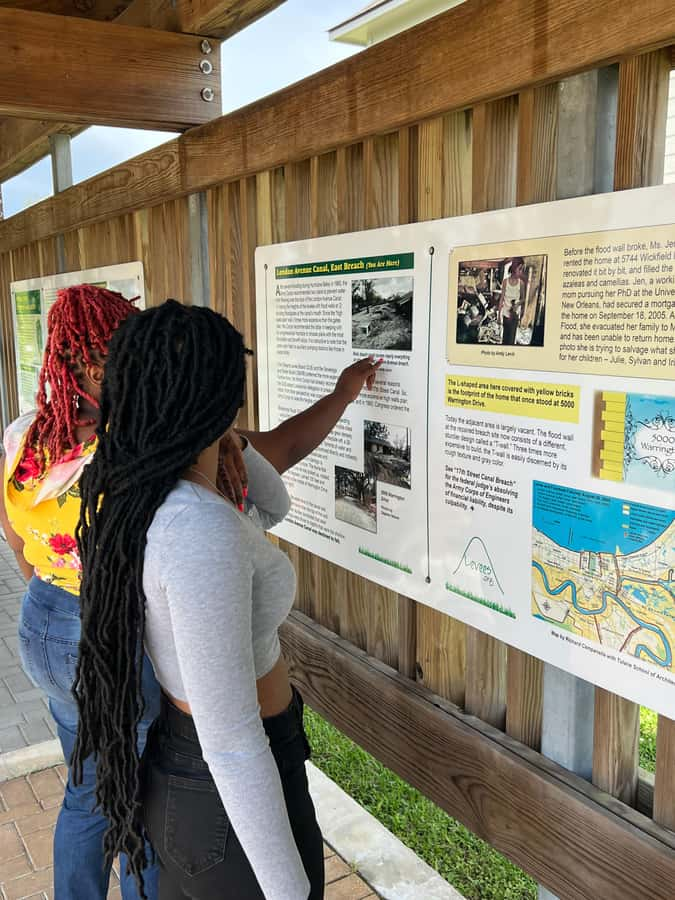
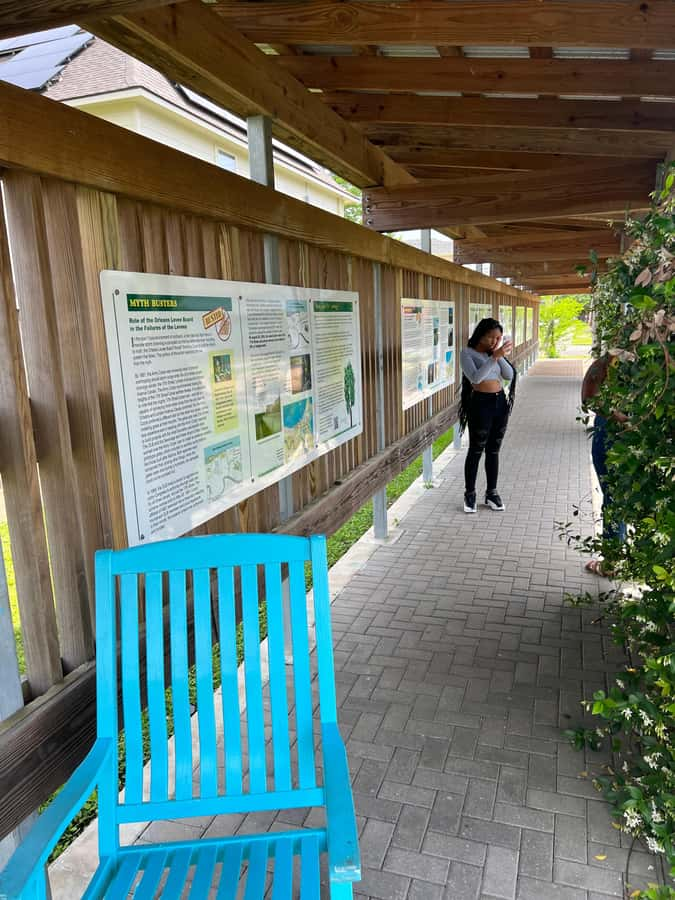
A key part of the ride is seeing locations associated with the most catastrophic levee breaches along the Mississippi River and Lake Pontchartrain. These sites help place Katrina’s flooding in the geography of the city. Instead of hearing about levees as an abstract piece of infrastructure, you can see where the failures occurred and consider how water reached nearby neighborhoods.
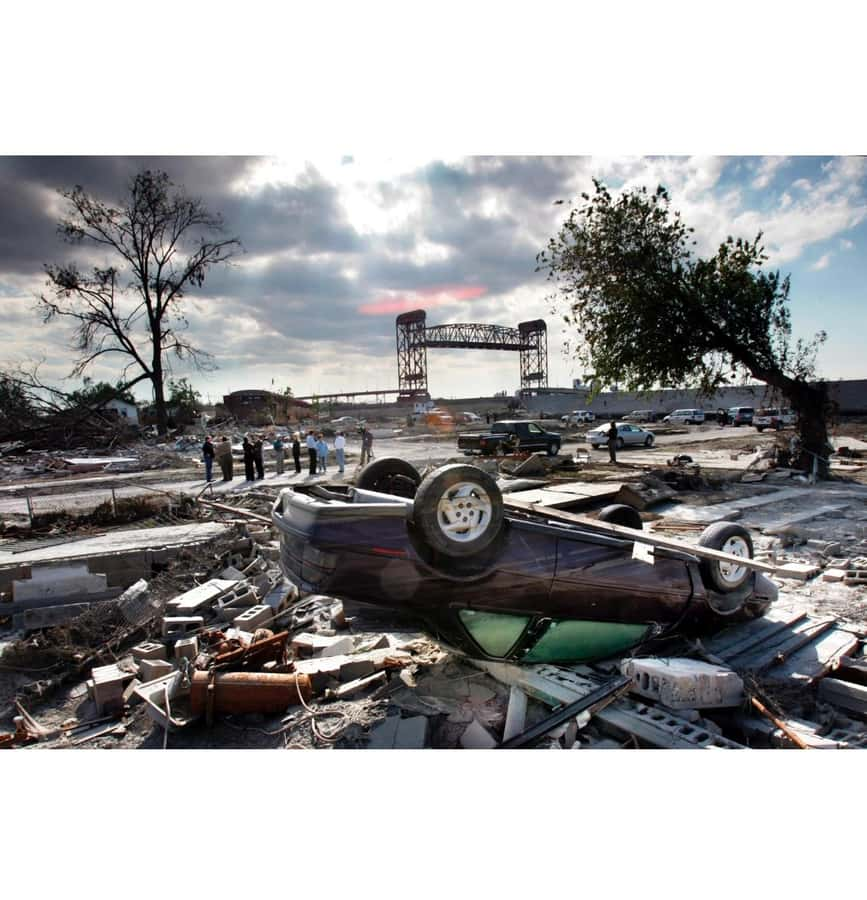
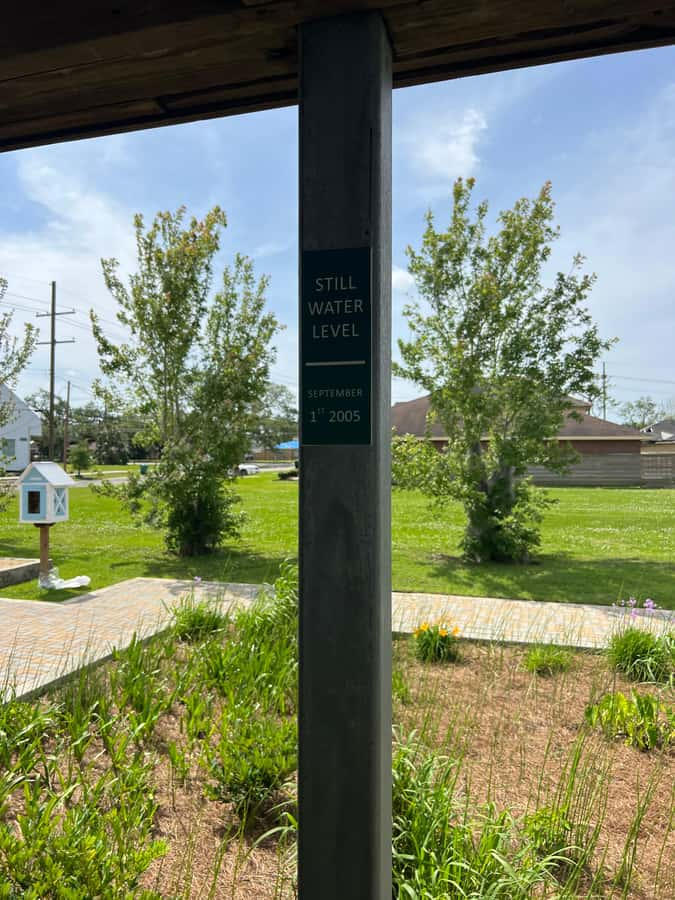
The guide may use photographs to show the scale of damage and explain how high floodwater reached in particular areas. In some places, you may see foundations where houses once stood, or other visible traces of the storm and the years that followed. The point is not to turn devastation into spectacle. It is to help you connect the events of 2005 with the streets and people you are seeing now.
If the group is able to stop near a levee, you may have a chance to get out and look more closely. One small-group visit included the chance to walk near a levee and touch it, but this depends on the route and conditions. Wear shoes you are comfortable walking in, and follow the guide’s directions at each stop.
More history tours in New Orleans:
- New Orleans Garden District History Walking Tour
★ 5.0 · 2,879 reviews - French Quarter Historical Sights and Stories Walking Tour
★ 5.0 · 2,724 reviews - New Orleans Small-Group Haunted History Carriage Tour
★ 4.5 · 2,289 reviews
The Ninth Ward, beyond the headlines
The tour’s focus on the Ninth Ward gives you a chance to see more than the storm’s immediate damage. You hear about the area before Katrina, the disruption it caused, and the uneven work of recovery. Hollis’s perspective helps give these changes a human scale, rather than reducing the neighborhood to a disaster map.
Expect to see a mix of conditions. Some properties have been rebuilt, while others may show empty lots or lasting signs of destruction. That contrast can be sobering, and it is a reminder that recovery does not happen at the same pace for every household or block. The guide’s explanations can help you read what you see without assuming that one street tells the whole story.
This is a respectful visit to a lived-in community, not a theme-park version of a tragedy. Listen, ask thoughtful questions, and take photos with care. If you are looking for a light sightseeing ride, this may not be the right hour of your day. If you want to understand another part of New Orleans, it can be one of the most useful.
Memorial, hospital, and the work of remembering
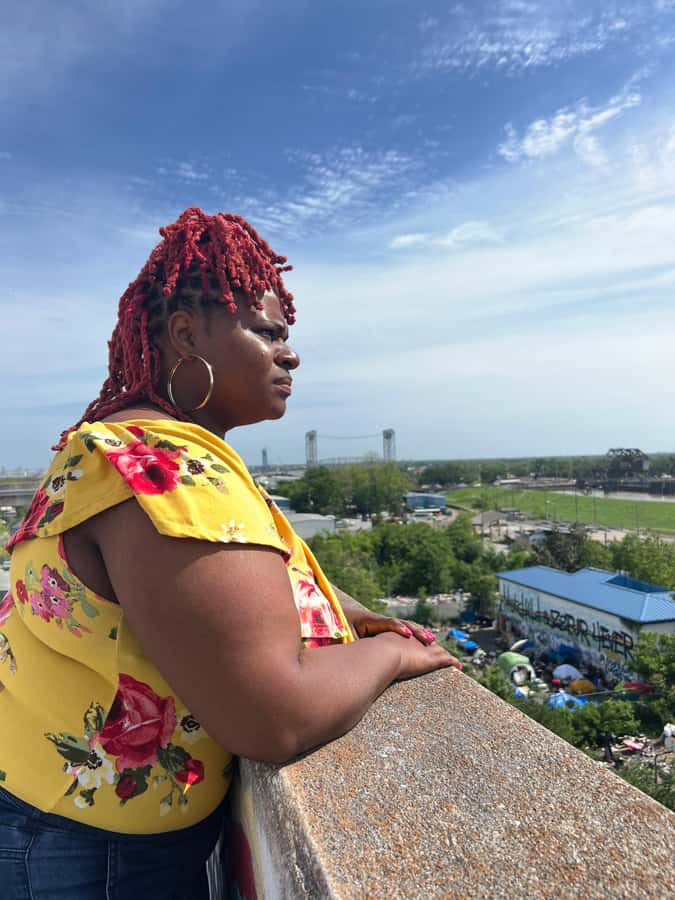
The route includes the Hurricane Katrina Memorial at the Old St. Claude Hospital in the Ninth Ward. A memorial stop offers a moment to pause amid the drive and consider the people behind the statistics. It is one of the places where the tour’s mix of history and community memory can feel especially immediate.
The stop is subject to change, as are other parts of the route. Weather, construction, and local events can affect access, and an alternative site may take its place. That flexibility is practical, though it means you should not book expecting every named location to be a guaranteed stop.
The guide’s explanations also help put the memorial into context. You can ask questions about the neighborhood and the storm’s effects, rather than simply passing through, taking a picture, and moving on. With a group this small, there is room for discussion, though the hour still sets a firm limit on how far the conversation can go.
Rebuilding through homes and community projects
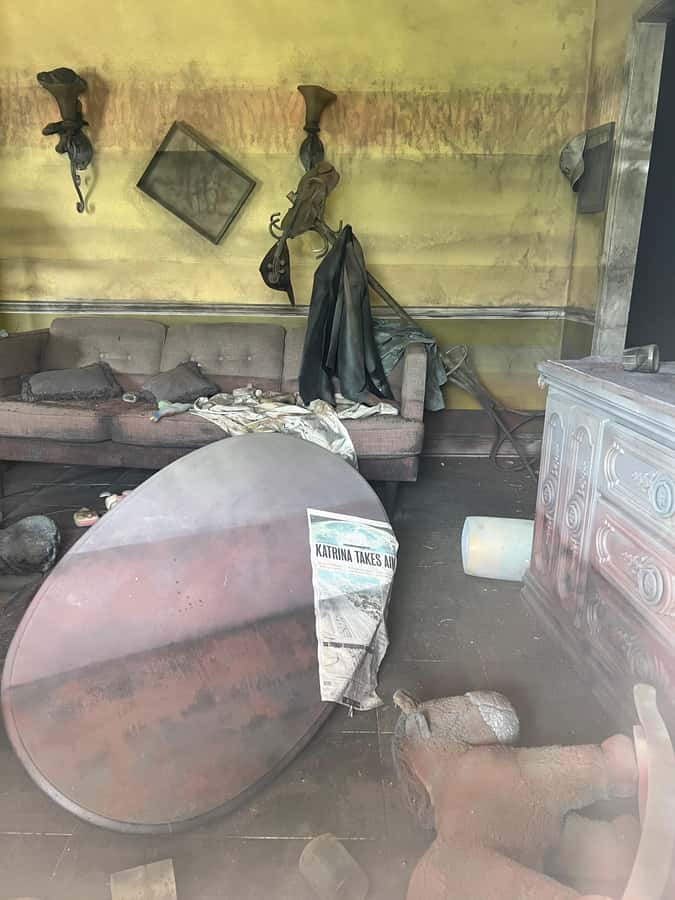
Make It Right homes and Musicians’ Village are among the rebuilding projects included in the tour’s planned highlights. They show how recovery has involved more than clearing debris. Homes and community initiatives represent attempts to restore everyday life and support the people and culture that make a neighborhood a home.
These projects are also a useful counterpoint to the visible damage. You see evidence of effort and renewal alongside reminders of what remains unfinished. The guide can explain what these sites mean in the larger recovery story, though the route may not include every project on every departure.
The tour is not a technical inspection of architecture or a detailed account of every rebuilding program. Think of these stops as reference points in a broader conversation about what came after the flood, and how rebuilding looks on the ground. If a particular project is especially important to you, call ahead and ask whether it is likely to be included, while understanding that no exact route is guaranteed.
Same city, a different kind of day:
- New Orleans Premier Ghost, Voodoo and Vampire Walking Tour
★ 4.5 · 12,856 reviews - New Orleans Steamboat Natchez Jazz Cruise with Dinner Option
★ 4.0 · 7,533 reviews - Adults-Only New Orleans Ghost, Crime, Voodoo, and Vampire Tour
★ 5.0 · 6,545 reviews - New Orleans Food Walking Tour of the French Quarter with Small-Group Option
★ 5.0 · 6,118 reviews
Fats Domino’s home and New Orleans music
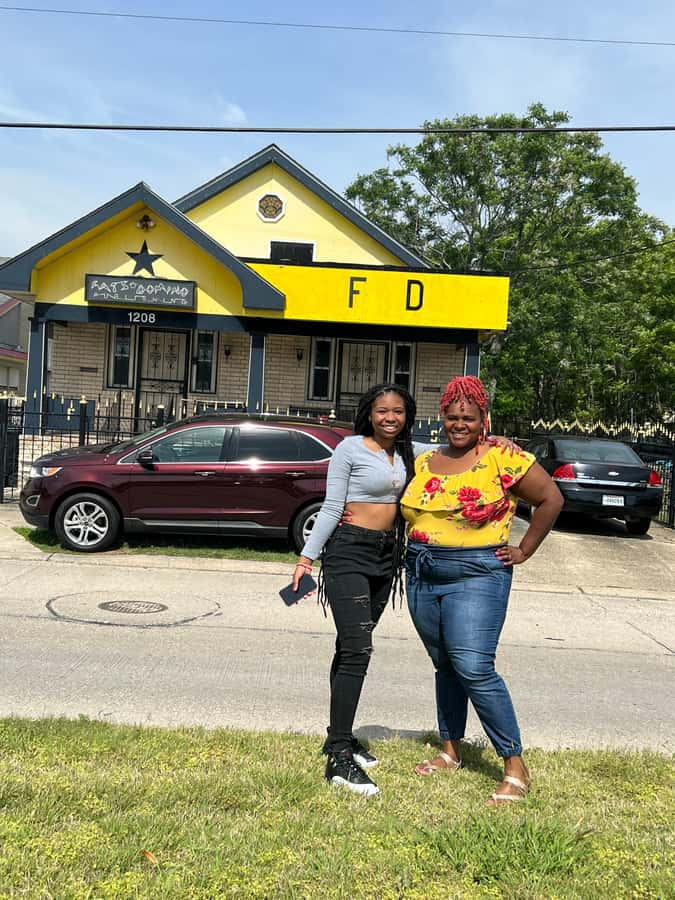
Fats Domino’s home is a striking stop because it connects the Katrina story with the city’s musical identity. The house is not simply a celebrity address. It represents a cultural figure whose name belongs to New Orleans, and its presence brings music into a tour centered on loss, recovery, and neighborhood change.
This connection is one of the tour’s most distinctive touches. New Orleans is often introduced through its music and food, but those traditions are tied to communities and places. Seeing a musician’s home during a Katrina-focused ride can help connect the city’s public image with the neighborhoods that endured the storm.
As with the other named stops, the house may be substituted if conditions require a route change. The tour’s value does not depend on checking off each address. The larger benefit is hearing how the guide links places, local culture, and the continuing effects of Katrina.
What an hour and $25 can deliver
At $25 per person, the price is modest for a guided ride with a local host and a small group. You are paying for more than transport between sites: the guide’s context is the main reason to take this tour. A map or independent drive may show you some of the same streets, but it will not necessarily explain how the storm affected the people who lived there.
The one-hour format keeps the commitment manageable, especially if you are fitting the tour into a busy New Orleans visit. It also limits how much ground the guide can cover. You should expect a focused introduction rather than a full account of Katrina, every neighborhood, and two decades of recovery.
If the subject matters to you, the value comes from the conversation and the chance to see key places in context. If you want a long, slow visit with extensive time at each stop, an hour may feel rushed. The small group helps make the time more personal, but it cannot make the clock disappear.
Meeting up and making the most of the visit
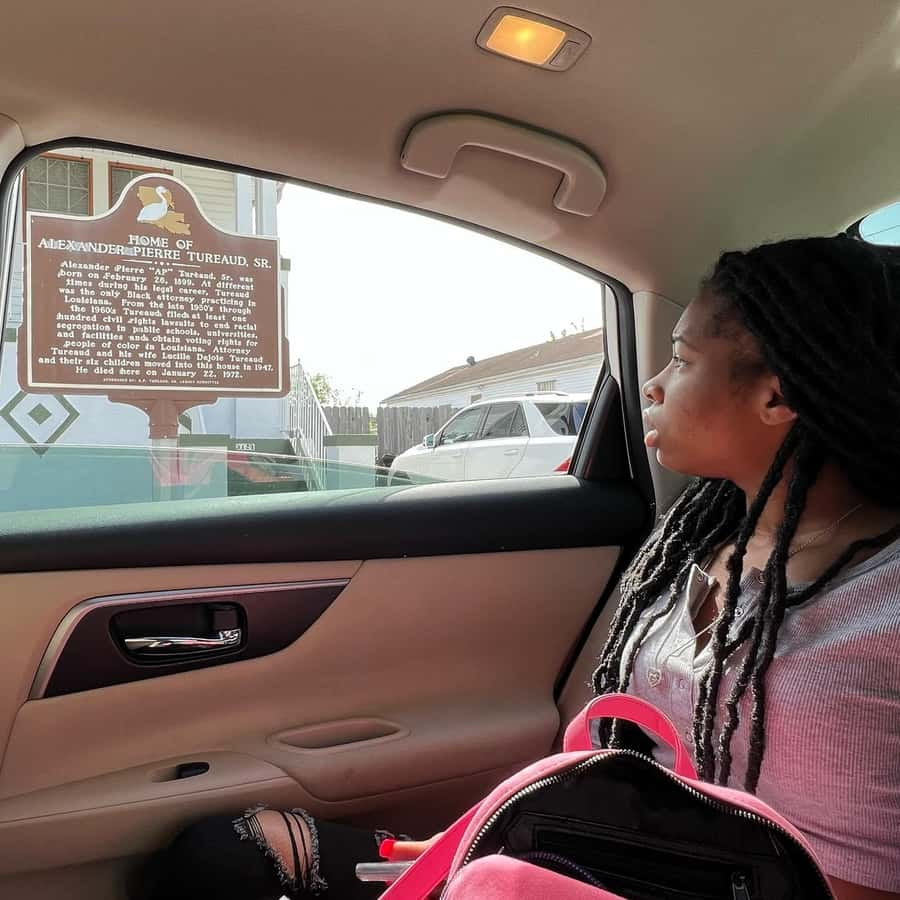
Call to confirm the meeting location the day before. This is worth doing: the pickup information can be unclear, especially if the address is a restaurant with both front and back entrances. Confirming the exact spot can save you from circling the building while the van waits.
The tour ends back at its meeting point. Starting times vary, so check availability when booking. The guide speaks English, and the group is limited to seven participants. If you have a question about a specific stop or the day’s route, ask when you call, while remembering that local conditions can still change the plan.
Bring a question or two, but leave room for the guide’s account to shape the conversation. Some of the most useful moments may come from asking what a place was like before Katrina, how it changed, or what recovery looks like now. This is a history tour, but it is also a chance to listen to someone with ties to the community.
The tour offers free cancellation up to 24 hours in advance, and you can reserve now and pay later. Those terms make it easier to fit the outing into a flexible schedule, though the key practical step remains confirming the pickup details the day before.
Who should book this tour?
I would put this tour high on the list if you want to understand New Orleans beyond its familiar visitor districts. It suits people interested in American history, public infrastructure, community recovery, and the ways a disaster continues to affect neighborhoods long after the headlines fade. It is also a good choice if you value a guide’s personal connection to the places you visit.
The subject can be emotional. You are looking at sites tied to widespread loss and lasting change, so this is not simply a scenic drive. The guide’s personal perspective can make the experience moving, but the tour is not a substitute for a longer study of Katrina or a chance to visit every affected area.
Book it if you want a concise, locally guided introduction to the Ninth Ward and Katrina’s aftermath. Skip it if you want a light, purely entertaining ride, or if you need a guaranteed stop at every named site. For most curious visitors, the combination of small group, local context, and visible places makes $25 a sound use of an hour.
FAQ
How long is the tour?
The tour lasts about one hour. Check availability for the starting times offered on your date.
How much does it cost?
The listed price is $25 per person.
Who leads the tour?
The tour is led in English by a local guide. Hollis is the guide named in accounts of the experience and has personal ties to New Orleans neighborhoods affected by Katrina.
How many people are in the group?
The small group is limited to seven participants.
Which sites may the tour visit?
Possible highlights include levee breach locations along the Mississippi River and Lake Pontchartrain, the Katrina Memorial at the Old St. Claude Hospital, Make It Right homes, Musicians’ Village, and Fats Domino’s home.
Is every stop guaranteed?
No. The route may change because of weather, construction, or local events, and some sites may be replaced with alternatives.
Where does the tour start and end?
You need to call to confirm the meeting location the day before. The tour ends back at that meeting point.
Newest tours in New Orleans
- New Orleans : Garden District Architecture Walking tour★ 4.8 · 5 reviews
- Ultimate Denver Day Out: Red Rocks, City Views & Ice Cream★ 5.0 · 7 reviews
- True Voodoo History of NOLA’s Congo Square with Local Guide★ 4.9 · 16 reviews
- From New Orleans: Whitney and Laura Guided Plantation Tour★ 4.9 · 20 reviews
- Witches Coven Walking Tour in New Orleans★ 5.0 · 49 reviews
- Treme Bar Crawl & Seafood Experience★ 4.2 · 7 reviews
- New Orleans Self-Guided Kayak Bayou Swamp Tour★ 5.0 · 9 reviews
- Whitney Plantation and Soul of New Orleans City Tour Combo★ 5.0 · 13 reviews
New Orleans History Tours, compared.
New Orleans Garden District History Walking Tour
Read our review →
French Quarter Historical Sights and Stories Walking Tour
Read our review →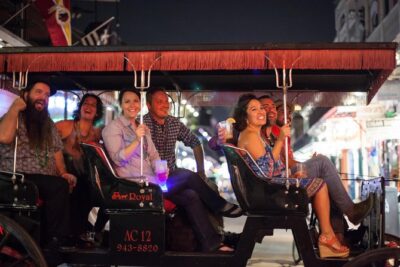
New Orleans Small-Group Haunted History Carriage Tour
Read our review →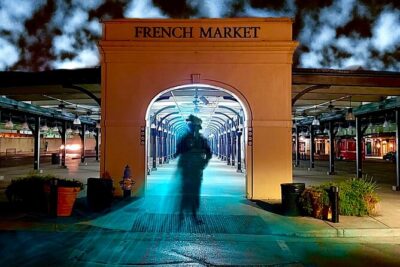
Paddlewheeler Creole Queen Historic Mississippi River Cruise
Read our review →
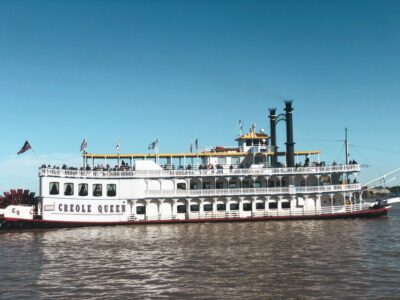
Creole Queen History Cruise with Optional Lunch
Read our review →
Browse the lists this tour appears in