
Reviewed · NEW ORLEANS CITY TOURS
Soul of New Orleans City Tour:Enslavement to modern culture
New Orleans’ story reaches well beyond its celebrated streets and music clubs. This 150-minute bus tour follows the threads of enslavement, segregation, civil rights, and contemporary culture through sites including Congo Square, Tremé, and the Lower Ninth Ward.
I like two things in particular: the tour connects major events to the neighborhoods where their effects are still felt, and guides such as New Orleans natives Dennis and Jay bring local perspective to the history. The visit to Dr. Leona Tate’s school and museum can add a direct link to the struggle for school desegregation.
One consideration: this is a bus-based tour, not a long walking excursion, and at least one rider wished for more time off the bus. If you want to explore every neighborhood on foot, plan to add independent visits.
- A citywide view: Travel beyond the French Quarter to Tremé, Congo Square, Musicians Village, and the Lower Ninth Ward.
- History with human context: Learn about Creole history, Solomon Northup, Plessy v. Ferguson, and the Civil Rights Trail.
- A meaningful modern connection: The tour has included a visit to Dr. Leona Tate’s school and museum, linked to the desegregation era.
- Art and everyday city life: Look for murals, markets, museums, architecture, and sites tied to music and community.
- Straightforward logistics: The 150-minute tour costs $55 per person, includes entrance fees and a guide, and runs rain or shine.
New Orleans beyond the French Quarter
A short stay in New Orleans can easily become a loop between the French Quarter, restaurants, and music venues. This tour widens the frame. It connects places and people often left out of a first-time visitor’s itinerary, with a focus on African American history and the cultural life shaped by it.
The route includes places associated with Creole history, enslavement, civil rights, jazz, and Hurricane Katrina. Those subjects are not separate chapters here. You get a sense of how the city’s past continues to shape its neighborhoods and public life.
That wider view is the tour’s main value. You’re not just looking at old buildings or hearing a list of dates. You’re moving through a city where the meaning of a place can depend on who lived there, what happened there, and what the community has carried forward.
Congo Square, Tremé, and the roots of music
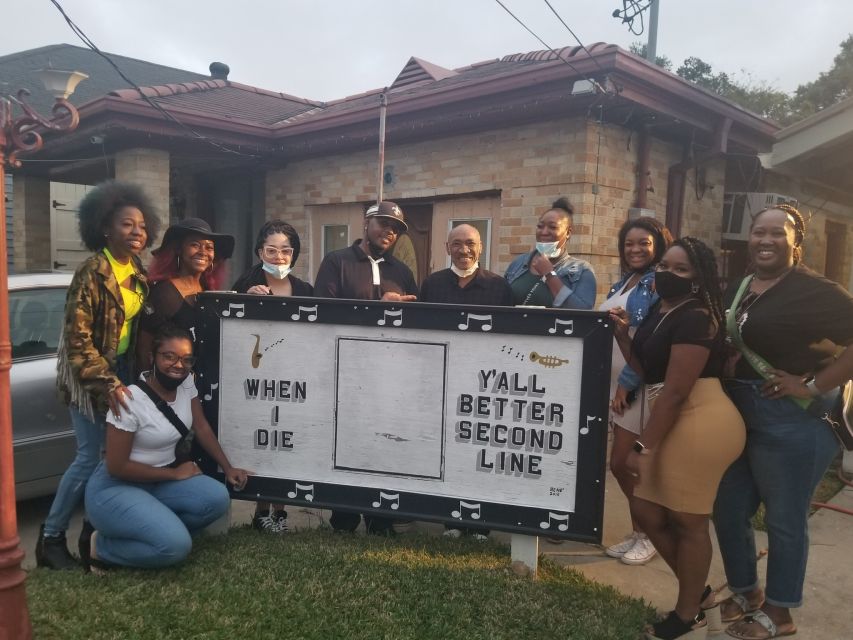
Congo Square is one of the tour’s key cultural sites. It is closely tied to the history of Black life and music in New Orleans, making it an important stop for understanding how local traditions developed. The tour also takes in Tremé, described as the city’s oldest African American neighborhood and linked to the roots of jazz.
These places give the music story a physical setting. Instead of treating jazz as a sound that simply belongs to New Orleans, the tour connects it to community, history, and cultural expression. That context can make later visits to clubs or music venues feel more grounded.
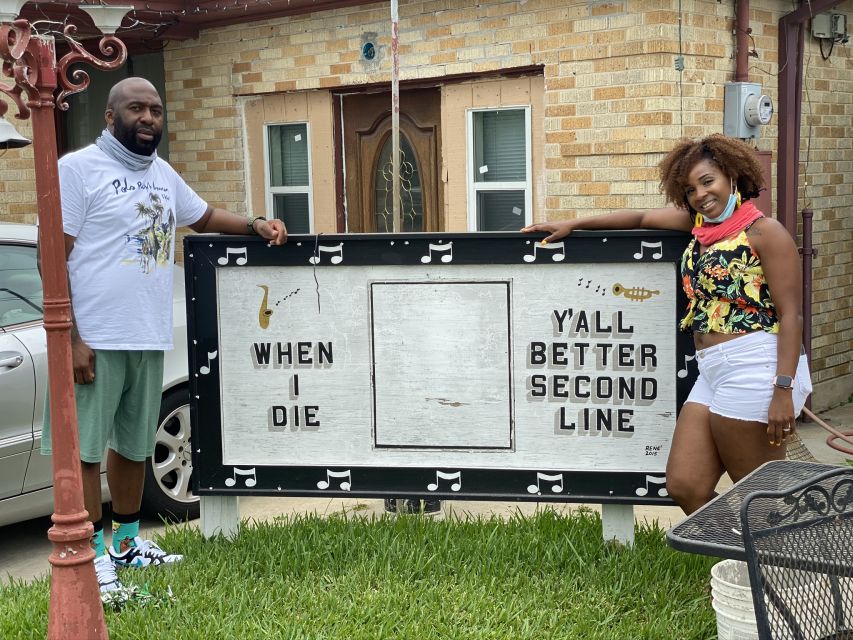
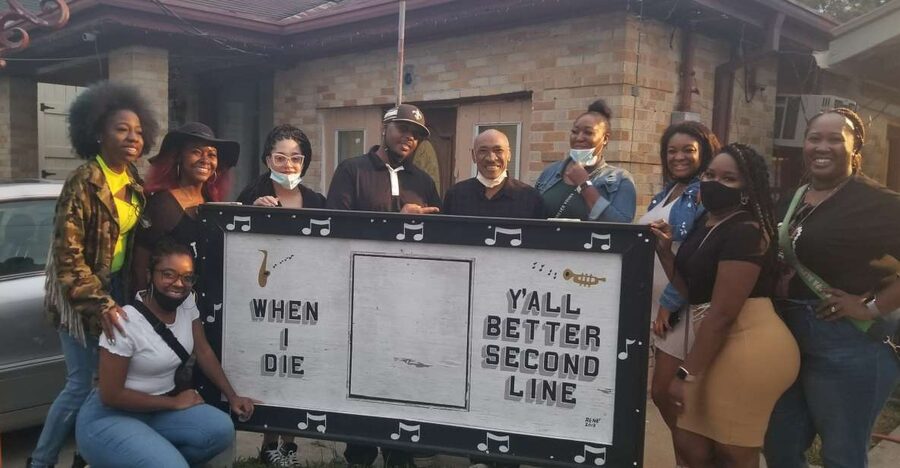
You’ll also encounter Musicians Village, another site on the route that connects music to neighborhood life. The tour’s focus is broad, so don’t expect an extended performance or a music lesson. Its strength is showing how music fits into the city’s larger story.
More city tours in New Orleans:
- New Orleans City Sightseeing Hop-On Hop-Off Bus Tour
★ 4.5 · 4,943 reviews - New Orleans Sightseeing City Tour
★ 5.0 · 3,038 reviews - Cemetery and Ghost BYOB Bus Tour in New Orleans
★ 4.5 · 2,685 reviews
Enslavement, Creole history, and civil rights
The tour takes on difficult subjects directly. It includes sites tied to antebellum slave quarters, Creole history, Solomon Northup, and the legal case Plessy v. Ferguson. Together, these themes help explain how slavery and racial segregation shaped New Orleans and the wider United States.
You’ll also hear about the Civil Rights Trail and the struggle over school desegregation. A particularly meaningful part of the journey may be the Dr. Leona Tate school and museum, associated with the desegregation era. One account of the tour describes meeting Tate, but that should not be treated as a guaranteed part of every departure.
The value here is not just the number of historical names. A guide can help connect national events to local places, making the past less abstract. Guides Dennis and Jay have been praised for balancing humor with serious discussion, a useful skill on a tour that covers painful history without reducing it to a lecture.
Expect a candid account, not a polished story with all the rough edges sanded off. The tour’s own framing, from enslavement to modern culture, signals that it aims to show both injustice and the ways communities have created, protected, and carried on their traditions.
The Lower Ninth Ward and Katrina’s aftermath
The Lower Ninth Ward is one of the tour’s most consequential areas. The route includes sites related to Hurricane Katrina’s aftermath, bringing attention to the storm’s long shadow and the neglect and broken promises that have affected the neighborhood. This part of the tour asks you to look beyond a disaster’s immediate images and consider what recovery means for the people tied to a place across generations.
The experience can be emotional. That is part of its purpose, but it is worth knowing before you book. If you prefer a light sightseeing trip, the subject matter may feel heavy. If you want to understand the city beyond its visitor districts, this stop gives the tour much of its weight.
A guide’s local perspective matters especially here. Jay, also known as Jeremy, has been described as speaking from his experience as a New Orleans native. Dennis, also a local, has been praised for explaining the area with warmth and clarity. Their styles may differ, but the value is in hearing the material presented by someone who knows the city as more than a set of landmarks.
Murals, markets, and the view from the bus
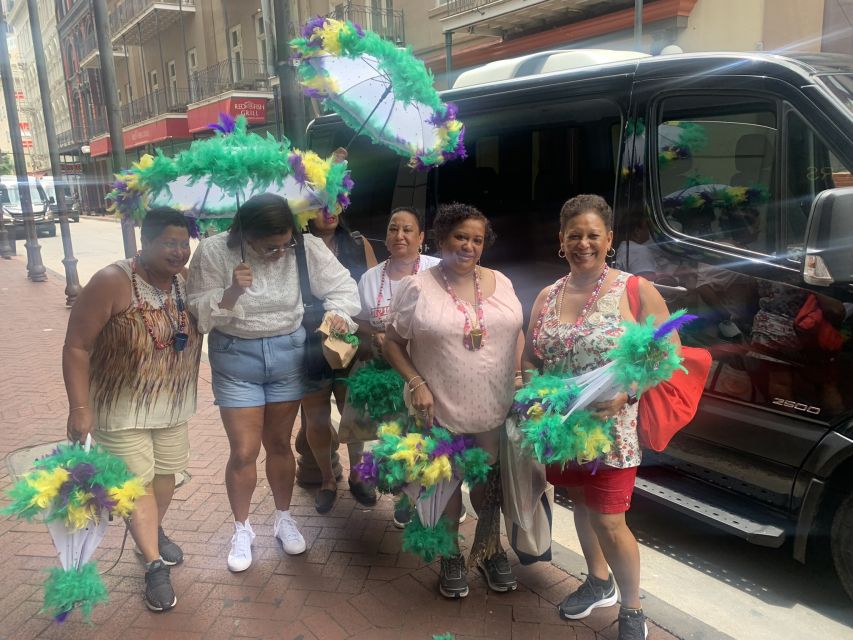
The tour mixes historical sites with the visual texture of the city: murals, artworks, markets, museums, and architecture. Those details keep the journey from becoming a succession of dates and names. You’ll see how public art and neighborhood spaces contribute to New Orleans’ modern identity.
The bus makes it possible to cover several parts of the city in two and a half hours. It also means you’ll see some places from the vehicle rather than spending a long stretch exploring each one on foot. The transport has received especially strong marks for comfort, and the tour is a practical option if you want a broad overview without arranging several separate trips.
Still, manage your expectations about time at each site. The experience covers a lot of ground, and one rider would have liked more opportunities to get off the bus. If a particular mural, museum, or neighborhood catches your attention, make a note of it and return on your own if time allows.
Same city, a different kind of day:
- New Orleans Premier Ghost, Voodoo and Vampire Walking Tour
★ 4.5 · 12,856 reviews - New Orleans Steamboat Natchez Jazz Cruise with Dinner Option
★ 4.0 · 7,533 reviews - Adults-Only New Orleans Ghost, Crime, Voodoo, and Vampire Tour
★ 5.0 · 6,545 reviews - New Orleans Food Walking Tour of the French Quarter with Small-Group Option
★ 5.0 · 6,118 reviews
What $55 gets you
At $55 per person, the tour lasts 150 minutes and includes a guide and entrance fees. Food and drinks are not included. You’re paying for more than a ride: the route links neighborhoods and historical themes that can be difficult to connect on your own in a short visit.
The value is strongest if you want context. A self-guided day can take you to individual sites, but you’ll need to research how they relate to each other and work out how to reach them. Here, the guide supplies that connective thread while the bus handles the distance between areas.
It is less compelling if your main goal is to spend hours inside museums or walk slowly through one neighborhood. The tour is designed to introduce a range of places and subjects, not to give every stop the same amount of time. Think of it as a citywide orientation with meaningful historical detail, then choose where to return.
Practical details before you go
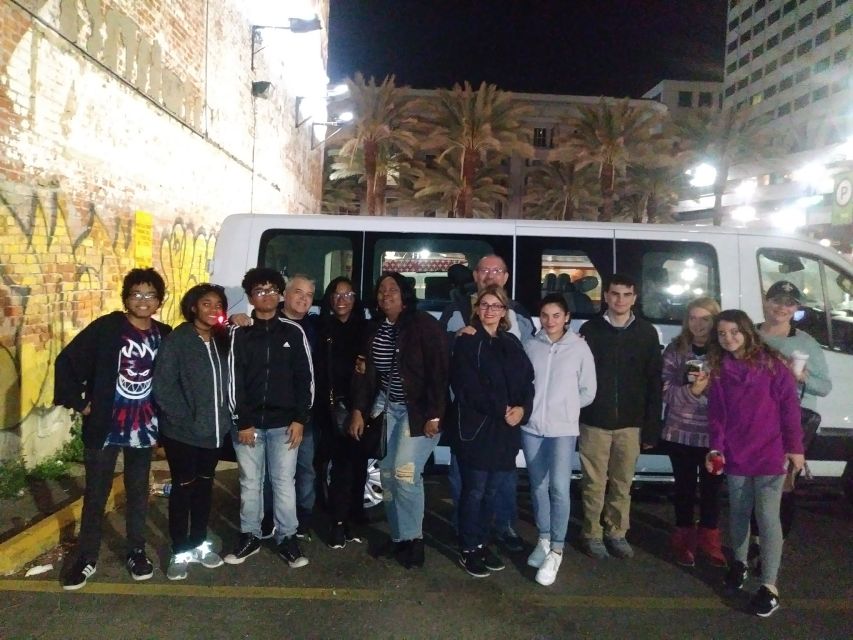
The meeting point is the parking lot at 414 Canal Street, near the Jazz Gumbo Landmark and one block from Caesars Casino. Look for the guide near the tour bus. Since the tour runs rain or shine, dress for the forecast and be ready for weather during the ride and any stops.
The guide speaks English. You can cancel up to 24 hours in advance for a full refund, and the reserve-now, pay-later option lets you hold a spot without paying at the time of booking. Check the available starting times when choosing your date.
There is no food or drink included, so plan accordingly. The 150-minute duration is long enough to cover a broad sweep of the city, but short enough that you may want to eat before or after rather than count on a meal during the tour.
Who should book this tour
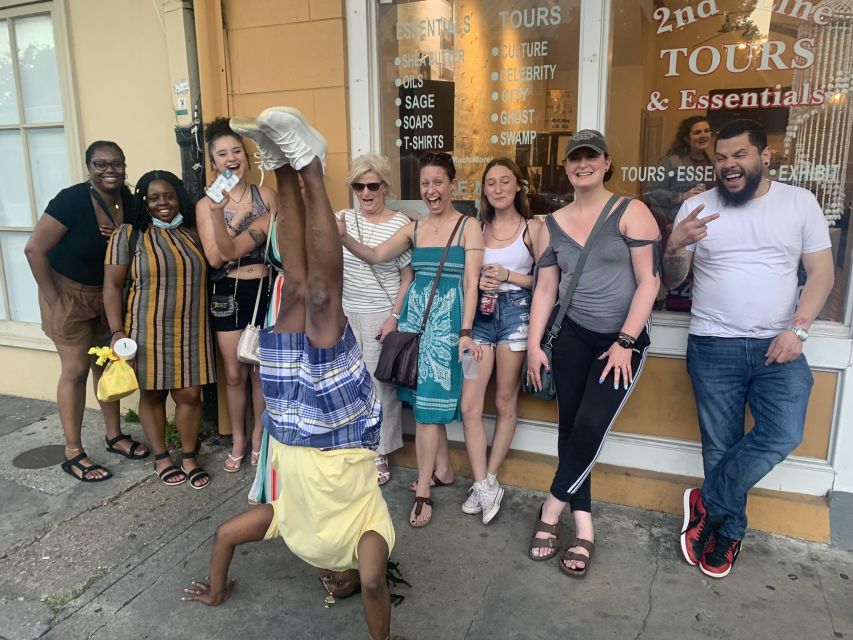
This tour suits visitors who want to understand New Orleans beyond its best-known visitor areas, especially those interested in African American history, civil rights, music, and the city’s response to Katrina. It can also work well for families with varied ages: one family described the experience as meaningful for both a nine-year-old and a 75-year-old. The guide’s approach and the subject matter will shape how each person takes it in.
I’d put it near the start of a New Orleans visit if you want a broad map of the city’s history and neighborhoods before exploring on your own. It is also a good choice for repeat visitors who have already spent time in the French Quarter and want a different view.
Book it if you value local context and are comfortable with serious subject matter. Skip it, or pair it with a slower walking visit, if you want a day of casual sightseeing with frequent long stops. For $55, the combination of transport, entrance fees, and a focused guide makes a strong case for the tour, provided you’re looking for understanding as well as scenery.
FAQ
How long is the Soul of New Orleans City Tour?
The tour lasts 150 minutes, or two and a half hours.
Where is the meeting point?
Meet in the parking lot at 414 Canal Street, New Orleans, near the Jazz Gumbo Landmark and one block from Caesars Casino. The guide waits near the tour bus.
What is included in the price?
The $55-per-person price includes entrance fees and a guide. Food and drinks are not included.
What language is the tour in?
The live guide speaks English.
Does the tour run in bad weather?
Yes. The tour takes place rain or shine, so check the forecast and dress accordingly.
Can I cancel my booking?
Yes. You can cancel up to 24 hours in advance for a full refund. You can also reserve now and pay later.
Newest tours in New Orleans
- New Orleans : Garden District Architecture Walking tour★ 4.8 · 5 reviews
- Ultimate Denver Day Out: Red Rocks, City Views & Ice Cream★ 5.0 · 7 reviews
- True Voodoo History of NOLA’s Congo Square with Local Guide★ 4.9 · 16 reviews
- From New Orleans: Whitney and Laura Guided Plantation Tour★ 4.9 · 20 reviews
- Witches Coven Walking Tour in New Orleans★ 5.0 · 49 reviews
- Treme Bar Crawl & Seafood Experience★ 4.2 · 7 reviews
- New Orleans Self-Guided Kayak Bayou Swamp Tour★ 5.0 · 9 reviews
- Whitney Plantation and Soul of New Orleans City Tour Combo★ 5.0 · 13 reviews
New Orleans City Tours, compared.


Cemetery and Ghost BYOB Bus Tour in New Orleans
Read our review →
New Orleans City Tour: French Quarter, Garden District & Cemetery
Read our review →
New Orleans Dead of Night Ghosts and Cemetery Bus Tour
Read our review →
New Orleans City and Cemetery 2-Hour Bus Tour
Read our review →
New Orleans Cemetery Bus Tour with Exclusive Cemetery Access
Read our review →
Cemetery Bus Tour At Dark with Exclusive Access
Read our review →Browse the lists this tour appears in