
Reviewed · NEW ORLEANS COOKING CLASSES
New Orleans: Hands-on Cajun Roux Cooking Class
The heart of this French Quarter class is the roux: you stand at the stove, learn how to work it properly, and use it to build two classic Louisiana dishes. In three hours, you’ll also prepare bananas Foster, so the lesson ends with dessert rather than a recipe list and an empty stomach.
I like that you make the Cajun Holy Trinity yourself before starting the gumbo, and that instructors bring in stories and food history alongside practical cooking tips. I also like the small-group limit of 10, which gives you a better chance to stay involved than a demonstration-only class.
One consideration: at $157 per person, this is a substantial meal-and-lesson purchase, not a quick taste of New Orleans. It makes the most sense if you enjoy cooking and want to learn dishes you can try again at home.
- Three Louisiana staples, one class: Make chicken and andouille sausage gumbo, shrimp etouffee, and bananas Foster.
- Two roux techniques: Start a dark roux for gumbo, then make a lighter roux for etouffee.
- A French Quarter kitchen: The class meets at the Mardi Gras School of Cooking, in Suite 101 on the ground level.
- A small group: No more than 10 participants take part, with instruction in English.
- Drinks with the meal: Wine, beer, soda, and bottled water are included.
- A cooking-first outing: Children over 10 may book if they are willing to participate and enjoy cooking.
Start With the Cajun Holy Trinity
The class begins with introductions and a chance to get settled with the other cooks. Then you put on an apron and start preparing the ingredients for the day’s recipes. The first practical lesson is the Cajun Holy Trinity, the familiar combination of onion, celery, and bell pepper used as a flavor base in many Louisiana dishes.
That early chopping is more than a warm-up. You learn how the ingredients fit into the cooking process and why preparation matters before you turn to the stove. The class uses the French term mise en place for having everything ready before cooking, a useful habit to bring home even if your own kitchen is much smaller than a cooking-school setup.
Once the ingredients are prepared, there is a break for a first glass of wine. Beer, soda, and water are also included, so you can choose a nonalcoholic drink or alternate as the meal unfolds. Alcohol is part of the class, but the core appeal is the cooking itself.
The teaching is designed to keep you involved rather than watching a chef do all the work. Instructors have included Chef Raymond, Chef Jason, and Mark. Their approaches, as described by the class’s participants, include clear explanations, local food stories, jokes, and music while the roux cooks. The instructor may vary by date, so treat the named chefs as examples rather than a guaranteed lineup.
Make a Dark Roux for Gumbo
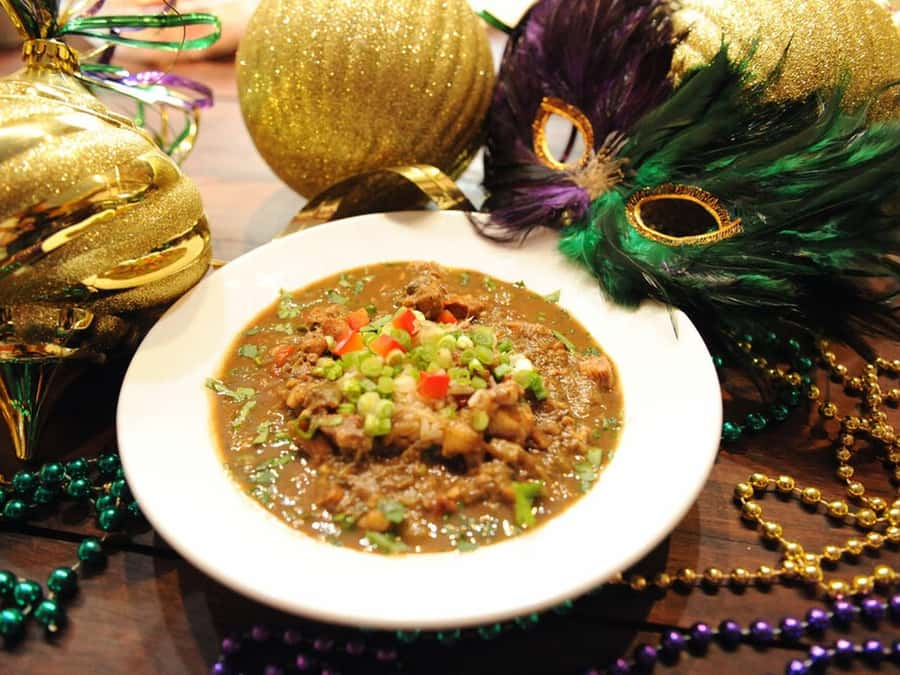
The first major stove-side task is the dark roux for chicken and andouille sausage gumbo. Roux is a cooked mixture of fat and flour, and its color and cooking time affect the character of the finished dish. Here, you learn the technique as part of making the gumbo, not as an abstract cooking lecture.
This is a useful setting for learning because roux takes attention. You need to follow the cooking process and understand what you are trying to achieve. The class is built around teaching professional techniques and seasoning, so you should leave with more than a vague instruction to stir until it looks right.
The gumbo is one of three dishes you prepare and then eat. Chicken and andouille sausage give it the classic pairing named in the menu, while the dark roux is the defining lesson. The meal is included in the $157 price, which makes the class a good fit if you want a substantial lunch or dinner as well as instruction.
The class’s food history adds another layer. Cajun and Creole cooking have distinct traditions, and the lesson connects the recipes to New Orleans and Louisiana food culture. You are not signing up for a full history course, but the stories and context can help explain why these methods and ingredients matter.
More cooking classes in New Orleans:
- New Orleans Demonstration Cooking Class with Meal
★ 5.0 · 3,000 reviews - New Orleans Hands-On Cooking Class with Meal
★ 5.0 · 1,183 reviews - New Orleans: Cajun and Creole Cooking Class
★ 4.9 · 730 reviews
Switch to a Lighter Roux for Shrimp Etouffee
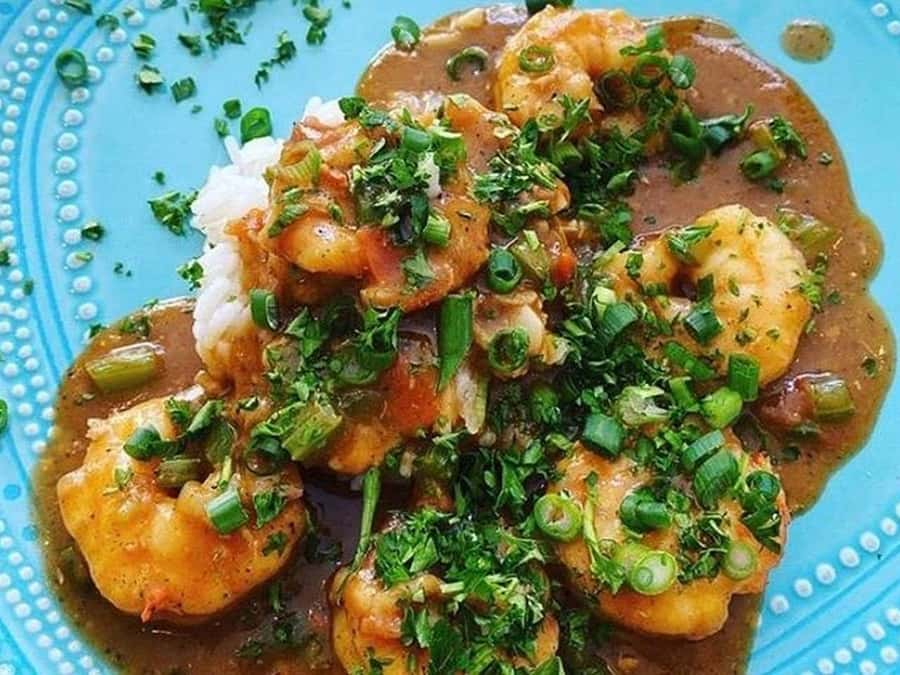
After the gumbo, you move on to shrimp etouffee and make a light roux. That change gives you a direct comparison: one class, two roux styles, and two different dishes built from them. If you have cooked from recipes before, this is the kind of technique lesson that can make instructions about color and timing easier to understand.
The two recipes also give the class a clear rhythm. You begin with preparation, focus on the slower dark roux, then apply a different approach for the etouffee. By the time the dishes are plated, you have worked through several stages of a meal rather than spending three hours on a single recipe.
Once the savory cooking is finished, you sit down to eat what you have made. The format turns lunch or dinner into part of the lesson, not a separate restaurant stop. Come hungry: you are preparing gumbo and etouffee, then adding dessert, so this is best treated as a meal rather than a light activity before dinner.
Keep in mind that this is a group class, not a private session. The maximum group size of 10 is modest, but you will still share the kitchen and instruction with other participants. If your main goal is one-on-one coaching, a small-group class may not offer the level of personal attention you want.
Finish With Bananas Foster
The last cooking lesson is bananas Foster, a classic New Orleans dessert. You are shown a method intended to be reliable enough to repeat at home, and it rounds out the menu with something sweet after the two savory dishes.
There is practical value in ending with dessert. The class covers different parts of a meal, from chopping and seasoning to roux work, plating, and a final recipe. You leave with three dishes to remember rather than one technique in isolation.
The dessert also gives the class a natural finale. You have already spent time cooking and eating, so this is not a rushed add-on at the beginning. If you are curious about how to make bananas Foster for friends or family, the lesson gives you a specific reason to book beyond gumbo alone.
What the $157 Price Buys You
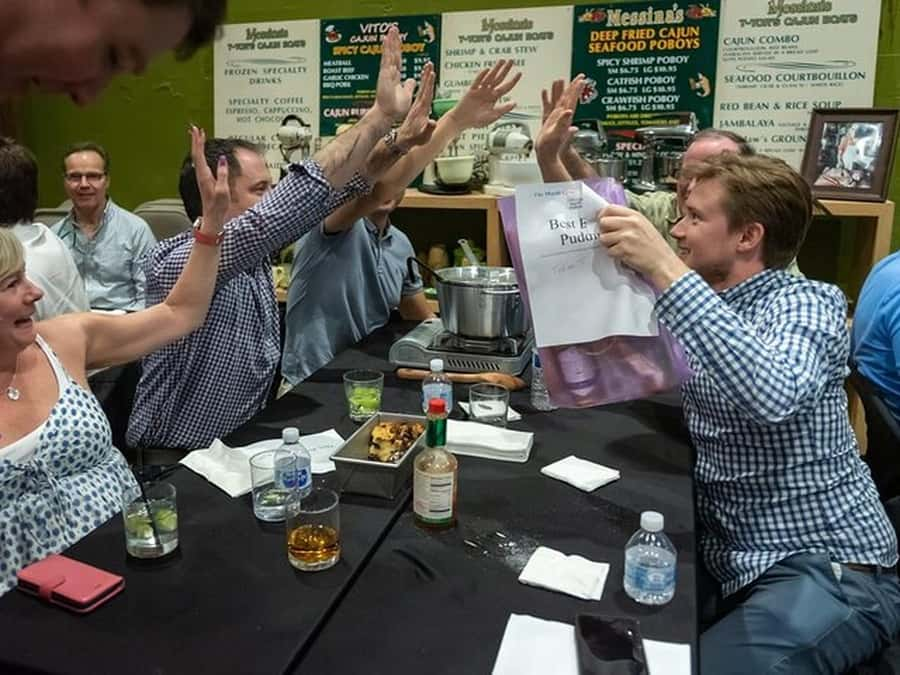
At $157 per person, this class costs more than ordering a single restaurant meal. But the price includes three hours of instruction, the food you prepare and eat, and alcoholic and nonalcoholic drinks. You are paying for the cooking lesson and a full meal in one outing.
Value depends on what you want from your time in New Orleans. If you are looking for the cheapest way to taste gumbo, a restaurant is likely the simpler choice. If you want to learn how to make gumbo, etouffee, and bananas Foster, and enjoy a guided meal in the process, the class offers more than a plate of food.
The group cap helps make that price easier to justify. With up to 10 people, the class stays small enough for a hands-on format, though it is not a private lesson. You can expect to share instruction and kitchen space, while still having a chance to participate in the cooking.
The included drinks are another useful part of the value. Wine and beer are available, along with soda and bottled water. Personal expenses, souvenirs, and transport to the venue are not included, so plan those separately.
More hands-on workshops in New Orleans:
- Hands-on Cajun Roux Cooking Class in New Orleans
★ 5.0 · 356 reviews - Hands-on Cajun Traditions Cooking Class
★ 5.0 · 132 reviews - New Orleans Cooking Class and Cocktail Walking Tour
★ 4.5 · 109 reviews - New Orleans Small-Group Food Walking Tour and Cooking Class
★ 5.0 · 47 reviews
Who Will Enjoy This Class Most
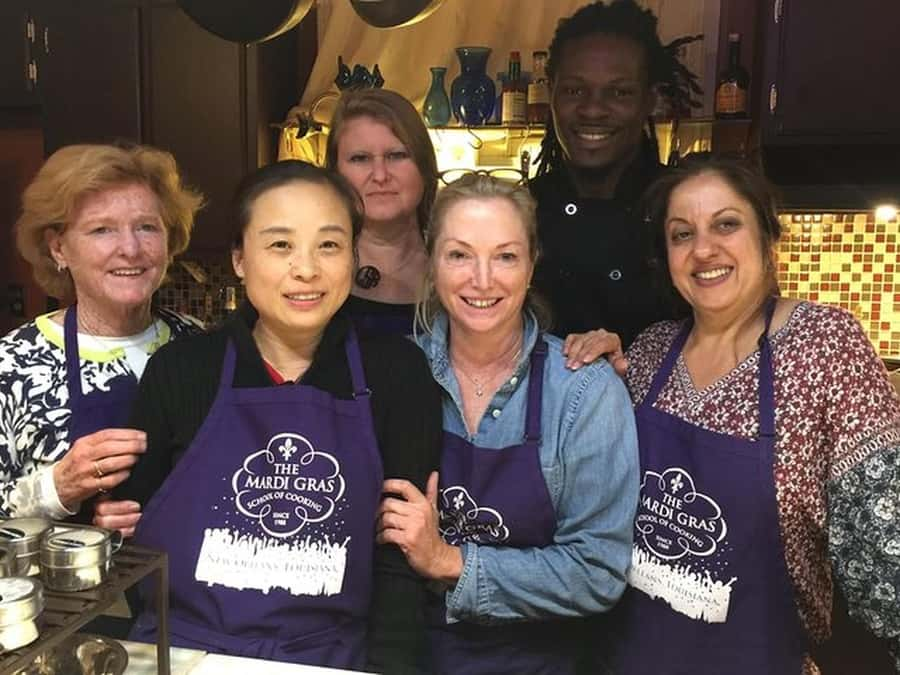
This is a strong choice for curious cooks who want to understand Louisiana food by making it. You do not need to arrive with experience in Cajun or Creole cooking: the class teaches the techniques and walks you through selected recipes. A willingness to chop, follow instructions, and take part matters more than prior skill.
It also suits couples, friends, and small groups who want an activity with a meal built in. Cooking together gives you something to do beyond sitting at a table, and the stories, jokes, and music described by past participants point to a friendly, informal teaching style. The exact instructor and atmosphere can vary, but the format is designed to be social as well as instructional.
Families should note the age rule. Children over 10 are allowed, but they need to be willing to participate and genuinely interested in cooking. Children under 10 are not suitable for the class, so this is not a good option for families with younger children.
The class is wheelchair accessible, and instruction is in English. It lasts three hours, with start times depending on availability. The meeting point is Suite 101 on the ground level, and transport to the venue is not included.
Practical Details Before You Book
You’ll find the cooking school in New Orleans’ French Quarter, a useful location if you are already exploring the area. The meeting point is Suite 101 on the ground level. The class does not include transportation, so make your own way there.
The small-group limit is 10 participants, and the instructor teaches in English. The class runs for three hours, but check availability for the start time that suits your plans. Since you will be cooking and eating, avoid scheduling it too close to another meal or activity that requires you to leave early.
Booking is flexible: you can reserve now and pay later, and cancellation is allowed up to 24 hours in advance for a full refund. Those terms are helpful if your New Orleans plans are still shifting, but check the current booking conditions when you choose a date.
Should You Book the Roux Class?
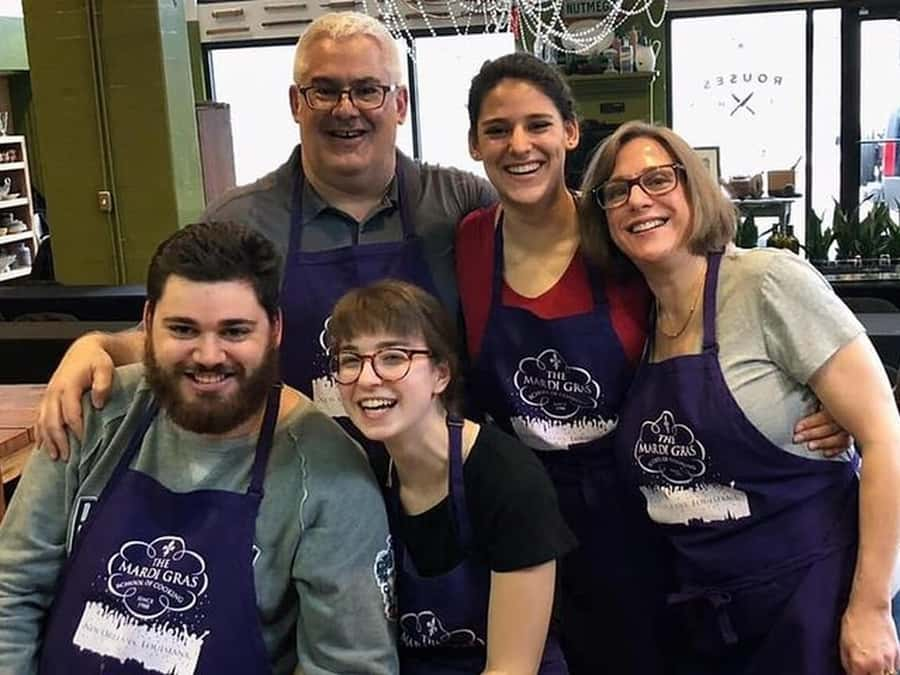
Book this class if you want a hands-on introduction to Cajun and Creole cooking, especially if roux has always seemed mysterious or intimidating. The combination of dark roux gumbo, lighter roux etouffee, and bananas Foster gives you a full menu and several techniques to take home.
Skip it if you would rather spend $157 on restaurant meals, or if you want a private lesson with individual attention. For cooks who enjoy learning by doing, though, this is a practical way to spend three hours in the French Quarter: you cook, eat, and come away with a clearer sense of how these New Orleans dishes are made.
FAQ
How long is the cooking class?
The class lasts three hours.
What dishes will I prepare?
You’ll make chicken and andouille sausage gumbo, shrimp etouffee, and bananas Foster.
What drinks are included?
Wine, beer, soda, and bottled water are included.
Where does the class meet?
It meets at Suite 101 on the ground level at the Mardi Gras School of Cooking in the French Quarter.
Can children attend?
Children over 10 may book if they are willing to participate and enjoy cooking. Children under 10 are not suitable for the class.
Is the class wheelchair accessible?
Yes. The activity is listed as wheelchair accessible.
Newest tours in New Orleans
- New Orleans : Garden District Architecture Walking tour★ 4.8 · 5 reviews
- Ultimate Denver Day Out: Red Rocks, City Views & Ice Cream★ 5.0 · 7 reviews
- True Voodoo History of NOLA’s Congo Square with Local Guide★ 4.9 · 16 reviews
- From New Orleans: Whitney and Laura Guided Plantation Tour★ 4.9 · 20 reviews
- Witches Coven Walking Tour in New Orleans★ 5.0 · 49 reviews
- Treme Bar Crawl & Seafood Experience★ 4.2 · 7 reviews
- New Orleans Self-Guided Kayak Bayou Swamp Tour★ 5.0 · 9 reviews
- Whitney Plantation and Soul of New Orleans City Tour Combo★ 5.0 · 13 reviews
New Orleans Cooking Classes, compared.
New Orleans Demonstration Cooking Class with Meal
Read our review →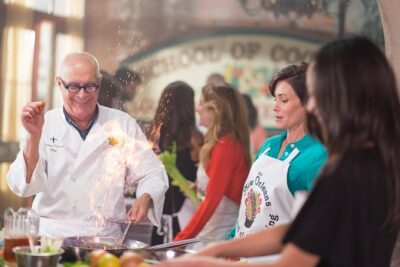
New Orleans Hands-On Cooking Class with Meal
Read our review →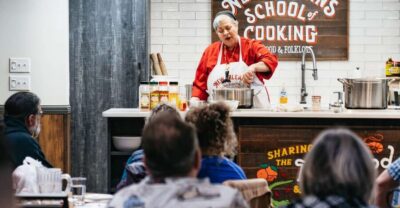
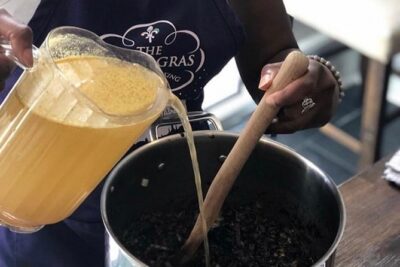
Hands-on Cajun Roux Cooking Class in New Orleans
Read our review →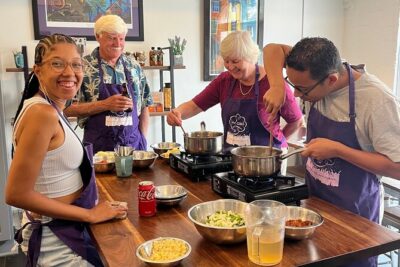
New Orleans Cooking Class and Cocktail Walking Tour
Read our review →
New Orleans Small-Group Food Walking Tour and Cooking Class
Read our review →
Browse the lists this tour appears in