
Reviewed · NEW ORLEANS VOODOO TOURS
True Voodoo History of NOLA’s Congo Square with Local Guide
New Orleans Voodoo is often sold as spooky theater. This walk takes a more grounded route, tracing its history through Congo Square, the French Quarter, Tremé, and the former site of Marie Laveau’s home. Along the way, a licensed local guide explains how African traditions, slavery, Catholicism, and the Haitian Rebellions shaped the city’s spiritual life.
I like that the tour pairs history with real objects and places, including Voodoo artifacts and a final stop at a temple. I also like its focus on separating fact from movie fiction, especially around Voodoo dolls and gris-gris. One consideration: the 90-minute walk does not visit St. Louis Cemetery No. 1 or Marie Laveau’s tomb.
Key points to know before you go
- Congo Square anchors the story: Learn about the gatherings of enslaved Africans that helped preserve cultural practices and music.
- The route links several neighborhoods: Expect stops in the French Quarter and Tremé, as well as at the former site of Marie Laveau’s home.
- The guide tackles myths directly: Topics include dolls, vevers, gris-gris bags, and the difference between popular images and historical practice.
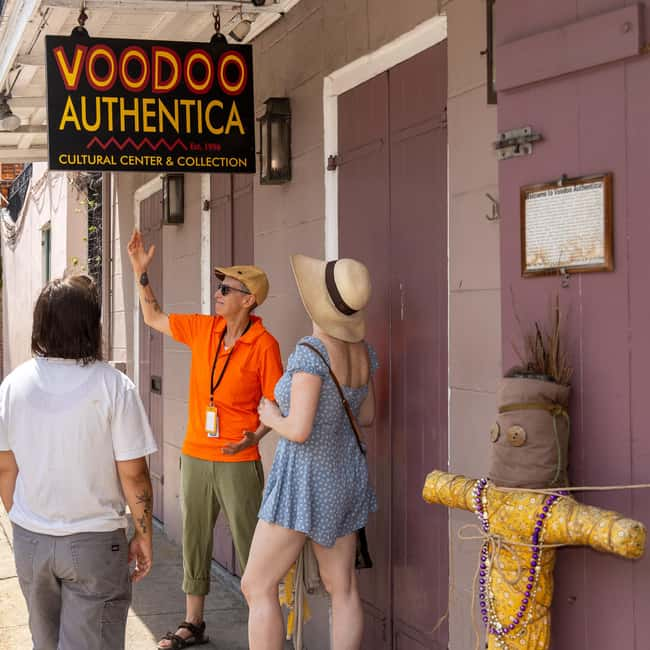
- The end stop is a modern temple: The walk finishes at Voodoo Authentica, where you can look for a New Orleans gris-gris to take home.
- It is a compact history walk: At 90 minutes and $39 per person, it suits a traveler who wants context without giving up half a day.
- The cemetery is not on the route: St. Louis No. 1 is excluded, and offerings at Marie Laveau’s tomb are discouraged.
A history walk, not a haunted-house show
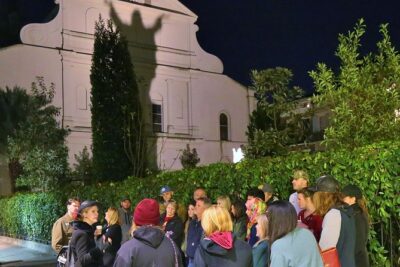
This tour begins at the archway to Armstrong Park on Rampart Street and ends at Voodoo Authentica. In between, the guide connects local landmarks with the history of Voodoo in New Orleans. The aim is to make the subject understandable without leaning on the frightening stories that films and tourist souvenirs often promote.
That distinction matters. Voodoo is tied to the lives, beliefs, and cultural practices of people who lived through slavery and colonial rule. A good guide can help you see how the city’s spiritual traditions developed, while noting where legend has blurred the record. You will hear about practices and symbols, but this is a guided history walk, not a promise of a ceremony or private ritual.
The tour’s strongest asset is its human guide. Past guides have included Logan, Matthew, and Evian, though you should not assume a particular person will lead your departure. The accounts of their style point to a useful mix: clear explanations, lively storytelling, humor, and room for questions. Matthew’s background included study of Voodoo and conversations with a high priest, while visitors also praised Evian’s explanations of both Voodoo and New Orleans history. Those details suggest the guide can add more than dates and names, but the specific depth and delivery may vary by guide.
More voodoo tours in New Orleans:
- New Orleans Premier Ghost, Voodoo and Vampire Walking Tour
★ 4.5 · 12,856 reviews - Adults-Only New Orleans Ghost, Crime, Voodoo, and Vampire Tour
★ 5.0 · 6,545 reviews - New Orleans Adults-Only Ghost, Voodoo and Vampire Tour
★ 5.0 · 3,291 reviews
Starting at Armstrong Park and Congo Square
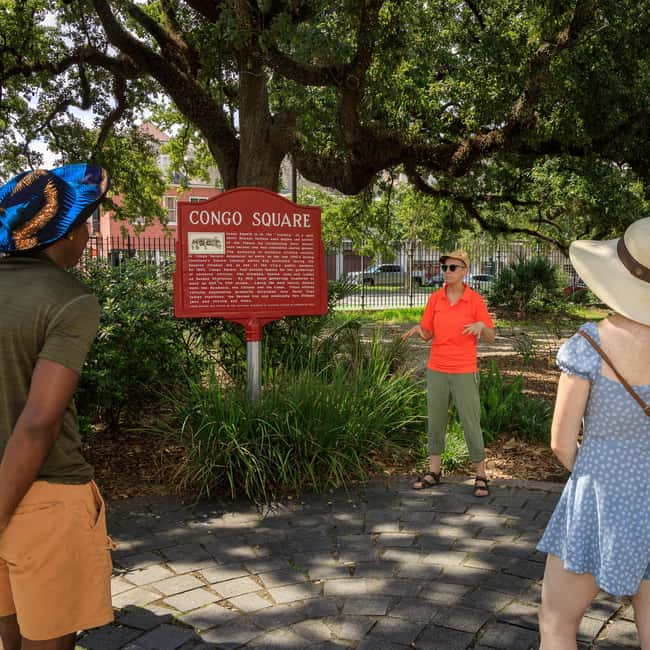
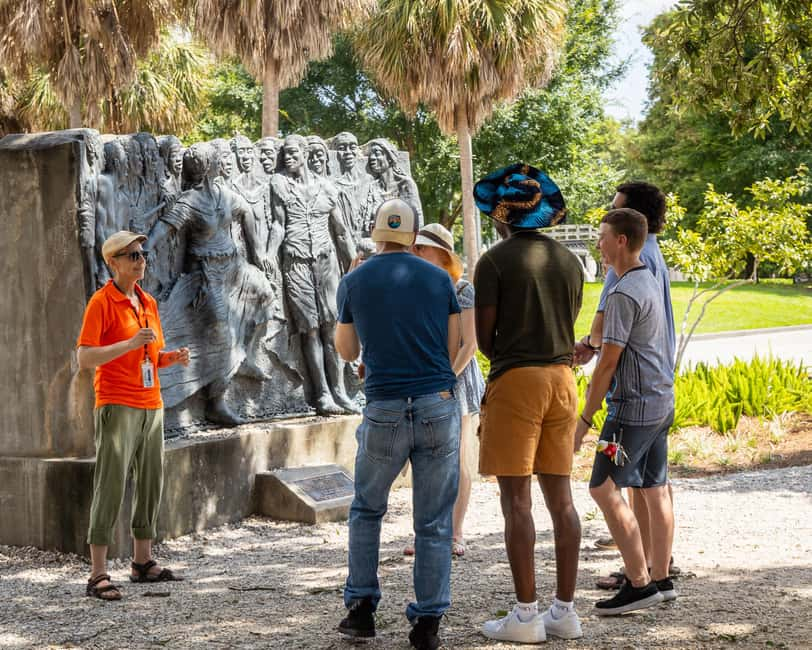
The meeting point is the archway to Armstrong Park on Rampart Street. The park is a fitting place to begin because Congo Square is one of the tour’s central subjects. The walk explores the area where enslaved Africans gathered to practice cultural traditions and make music, practices that contributed to New Orleans’ distinctive cultural life.
Congo Square is not simply a scenic photo stop. Its importance lies in what it represents: a place where people maintained traditions under conditions designed to restrict their freedom. The guide’s explanation helps you read the site as part of a larger history, rather than as a name on a map. If this is your first visit to New Orleans, that context can make later references to Voodoo, music, and local identity easier to follow.
The tour also covers slavery under the Code Noir and its effects on the city’s culture and spirituality. This is the hardest part of the walk, and rightly so. The Code Noir and slavery are not background decoration for a story about mysterious customs. They are essential to understanding the pressures, movement, and exchanges that shaped New Orleans.
A 90-minute tour cannot cover every aspect of that history. Still, a guide who links policy and lived experience can give you a useful framework for understanding the places you pass. I would treat this as a focused introduction, not a complete account of colonial New Orleans.
Through Tremé and the French Quarter
From the park, the route includes French Quarter and Tremé stops. Both neighborhoods hold layers of New Orleans history, and the tour uses them to connect specific places with the people and traditions discussed along the way. Expect guided commentary and opportunities for photos, rather than a long visit inside a series of buildings.
The walk’s neighborhood mix is a practical plus. The French Quarter is familiar to many visitors, but the tour gives you a reason to look beyond its façades and nightlife. Tremé adds another setting for discussing the city’s African American history and cultural life. You will not need to plan separate transport between these stops: the experience is presented as a walking tour.
The Haitian Rebellions are another key subject. Your guide explains how events in Haiti influenced the spread of Voodoo practices into New Orleans. This adds a wider Caribbean frame to a tour that might otherwise feel limited to local legends. The connection is especially useful if you want to understand Voodoo as a tradition shaped by movement and history, rather than as a set of isolated New Orleans curiosities.
The route also includes a photo stop at the original location of Marie Laveau’s home. Laveau, remembered as the Voodoo Queen of New Orleans, sits at the meeting point of documented history and legend. The tour introduces her story, but the original home site is not the same as a visit to her tomb. St. Louis Cemetery No. 1 is not included because of current Archdiocese security rules for pilgrimages, and offerings at the tomb are discouraged.
That boundary is worth knowing before you book. If your main goal is to visit a cemetery or leave an offering, this is not the right tour. If you want to hear about Laveau in the context of the city’s history and folklore, the stop provides that connection without implying that the tour enters the cemetery.
Dolls, vevers, and gris-gris without the movie script
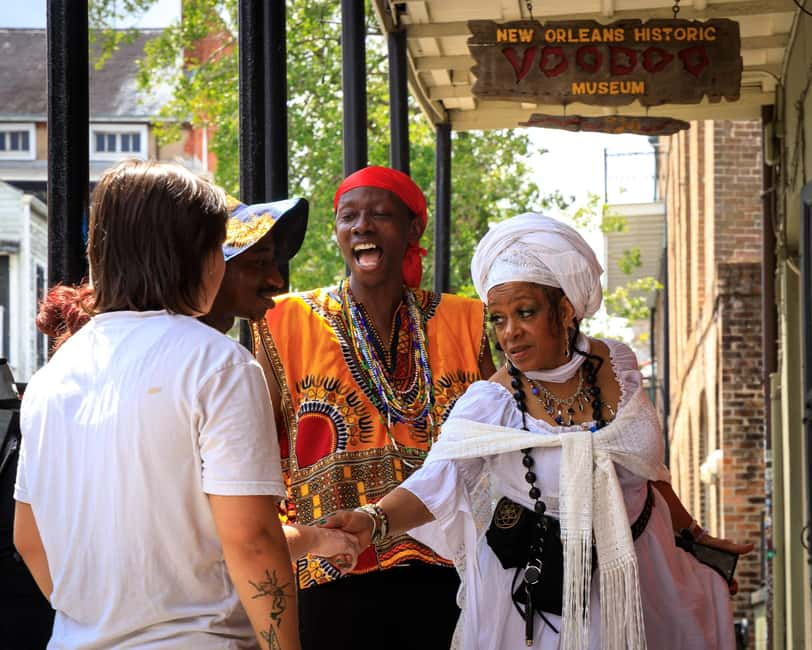
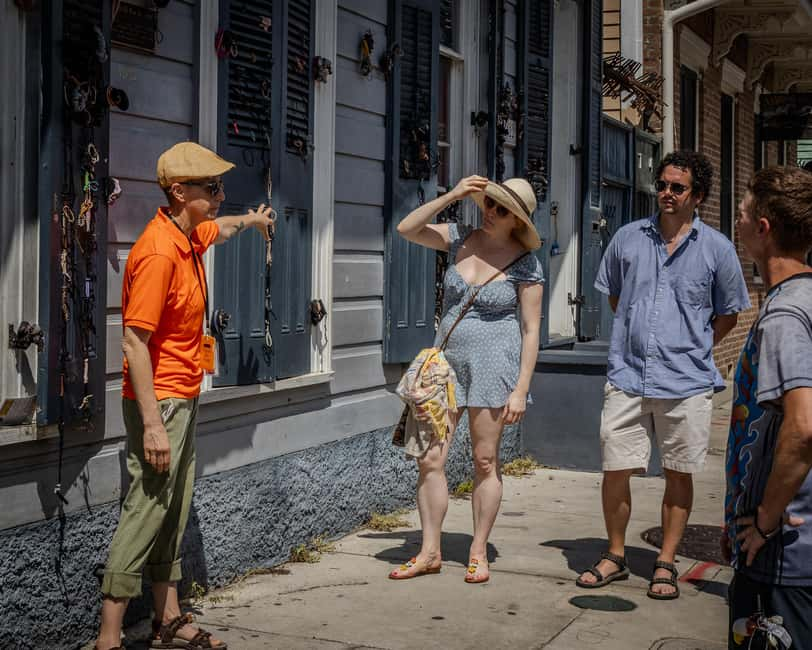
The guide discusses Voodoo dolls, vevers, and gris-gris bags, and explains their meanings and uses. This is one of the tour’s most useful parts for anyone whose knowledge comes mainly from films or shop-window clichés. A doll with a pin, for example, is not a reliable shorthand for how Voodoo works. The guide can explain the gap between popular fiction and historical practice.
You will also hear about Saint John’s Eve and other Voodoo holidays. These topics show that the tradition has its own calendar and practices, rather than being a collection of sinister props. The exact detail depends on the guide’s approach, but the stated focus is cultural and historical explanation.
The tour also addresses how Voodoo and Catholicism relate. One guide has discussed points of overlap between the two, an angle that can help you understand how spiritual life in New Orleans has developed across communities and traditions. It is a useful reminder not to treat local belief as a simple contest between two separate worlds.
The hands-on element is limited but valuable: the tour includes Voodoo artifacts and finishes at a modern temple. You are not promised a ritual demonstration. Instead, the emphasis is on seeing objects and learning what they mean.
More history tours in New Orleans:
- New Orleans Garden District History Walking Tour
★ 5.0 · 2,879 reviews - French Quarter Historical Sights and Stories Walking Tour
★ 5.0 · 2,724 reviews - New Orleans Small-Group Haunted History Carriage Tour
★ 4.5 · 2,289 reviews - New Orleans Haunted History Ghost Tour
★ 4.5 · 2,084 reviews
Ending at Voodoo Authentica
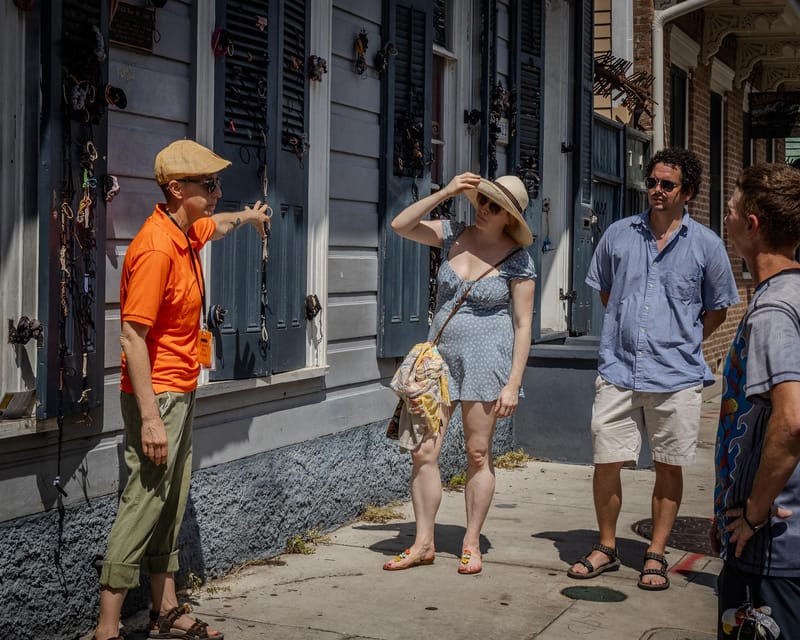
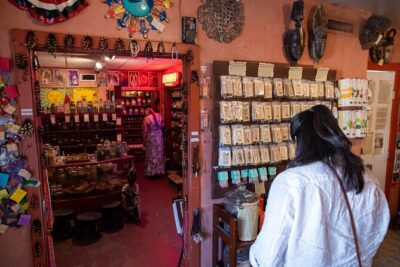
The final stop is Voodoo Authentica, described as a modern Voodoo temple. This gives the walk a present-day counterpart to its historical sites. You can see how the subject continues to be represented and practiced in New Orleans, rather than leaving with only stories about the past.
There is also a chance to pick up a New Orleans gris-gris to take home. Treat this as an optional souvenir, not a required purchase or a guaranteed part of the $39 ticket. The price of anything you buy there is not included in the tour fee. If you like meaningful keepsakes, the stop may be more interesting than a generic souvenir shop; if you do not want to shop, you can still value the explanation and the temple visit.
The end point is especially handy for visitors who want to continue learning on their own. The tour introduces modern temples and practices, giving you a starting point for further questions. Keep in mind that the itinerary names Voodoo Authentica as the finish, while the broader tour description refers to modern temples in general. The precise time spent inside and the nature of any activity there are not specified.
Is $39 fair for a 90-minute walk?
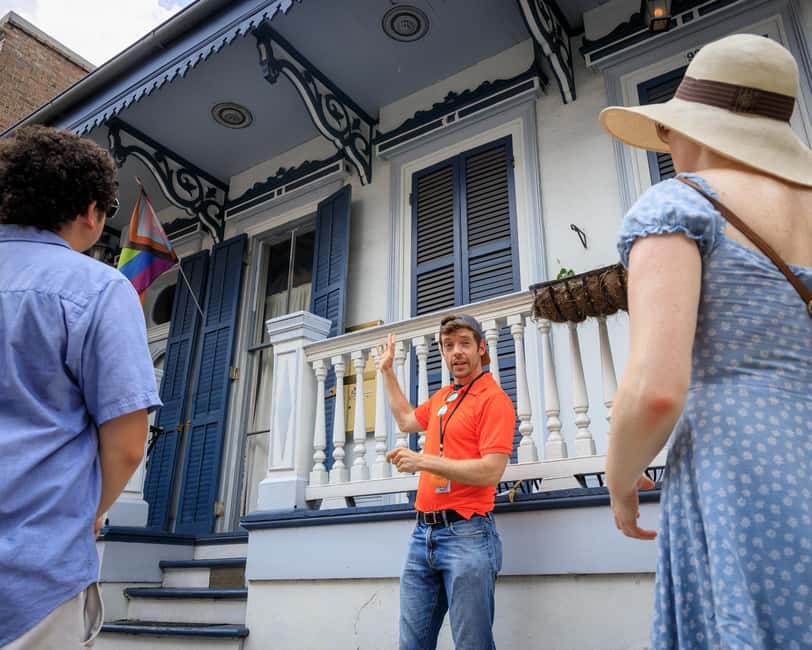
At $39 per person, this is a fairly focused purchase: you are paying for a licensed guide, six or more stops discussing Voodoo history and culture, a walk through Congo Square, and a temple stop. There is no transport component to factor in, and the short duration makes it easy to fit around other plans.
The value depends on what you want from a tour. If you only want a few spooky stories, you may find the historical emphasis less theatrical than expected. If you want a guide to connect slavery, the Haitian Rebellions, Marie Laveau, local sites, and modern Voodoo into one clear account, the fee buys more than a string of photo stops.
Gratuity is not included, so plan for that separately if you choose to tip. The tour is in English, and starting times depend on availability. You can cancel up to 24 hours in advance for a full refund, and the reserve-now, pay-later option lets you hold a place without paying immediately.
Who should book this walk?
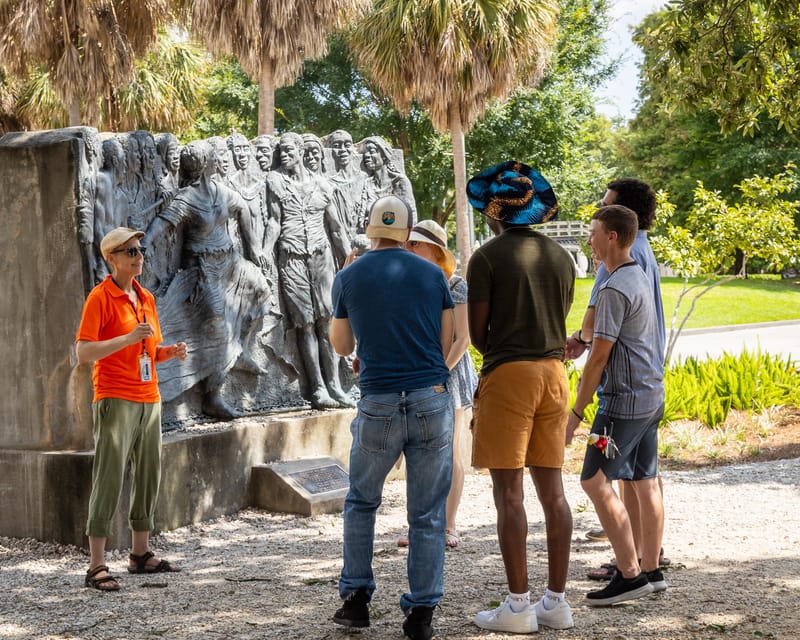
I would recommend this tour if you are curious about New Orleans history and want to approach Voodoo with care rather than spectacle. It is a good fit for first-time visitors who have already seen the French Quarter and want more context, as well as returning visitors who want to connect local stories with specific places.
It also suits people who enjoy a guide-led walk and are comfortable discussing slavery and colonial history. The subject is not light, even when the guide uses humor to keep the walk engaging. If you are traveling with someone who wants only entertainment or a cemetery visit, make sure the focus matches their expectations.
The strongest reasons to book are the guide’s role in sorting fact from fiction, the connection between Congo Square and broader history, and the chance to end at a modern temple. The main limits are the short running time, the lack of a cemetery visit, and the fact that the exact guide can vary. Book it for a compact, thoughtful introduction to Voodoo in New Orleans, not for a full-day study or a staged ritual.
FAQ
How long is the tour?
The tour lasts 90 minutes.
Where does the tour start?
It starts at the archway to Armstrong Park on Rampart Street.
Where does the tour end?
The tour ends at Voodoo Authentica Inc.
Is the tour conducted in English?
Yes. The live tour guide speaks English.
Does the tour visit St. Louis Cemetery No. 1?
No. The tour does not visit St. Louis Cemetery No. 1. Offerings at Marie Laveau’s tomb are discouraged.
What is included in the $39 price?
The price includes a professional, licensed guide, six or more stops discussing Voodoo history and culture, and a walk through Congo Square. Gratuity is not included.
Can I cancel after booking?
You can cancel up to 24 hours in advance for a full refund.
Newest tours in New Orleans
- New Orleans : Garden District Architecture Walking tour★ 4.8 · 5 reviews
- Ultimate Denver Day Out: Red Rocks, City Views & Ice Cream★ 5.0 · 7 reviews
- From New Orleans: Whitney and Laura Guided Plantation Tour★ 4.9 · 20 reviews
- Witches Coven Walking Tour in New Orleans★ 5.0 · 49 reviews
- Treme Bar Crawl & Seafood Experience★ 4.2 · 7 reviews
- New Orleans Self-Guided Kayak Bayou Swamp Tour★ 5.0 · 9 reviews
- Whitney Plantation and Soul of New Orleans City Tour Combo★ 5.0 · 13 reviews
- Craft brewery hopping through New Orleans | Uptown★ 5.0 · 31 reviews
New Orleans Voodoo Tours, compared.
New Orleans Premier Ghost, Voodoo and Vampire Walking Tour
Read our review →
Adults-Only New Orleans Ghost, Crime, Voodoo, and Vampire Tour
Read our review →
New Orleans French Quarter, Voodoo and Culture Walking Tour
Read our review →
New Orleans Ghost, Vampire, Witch, Voodoo, and Mystery Tour
Read our review →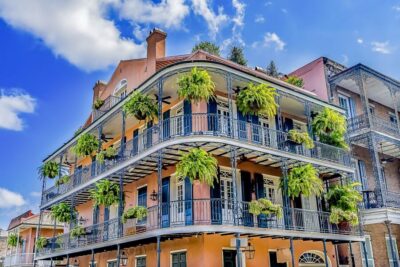
New Orleans Spirits & Spells: Witchcraft, Voodoo, and Ghost Tour
Read our review →
New Orleans Combo Tour: Voodoo, Vampire, and Ghost Tour
Read our review →Browse the lists this tour appears in