
Reviewed · NEW ORLEANS COOKING CLASSES
New Orleans Demonstration Cooking Class with Meal
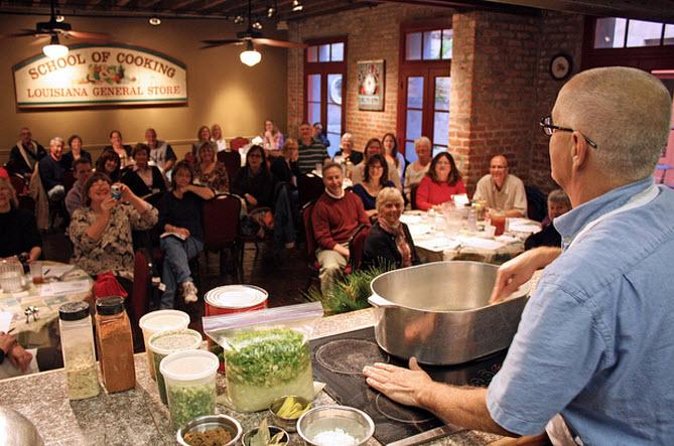
New Orleans cooking makes more sense once you understand the roux. At this two-hour demonstration, a local chef prepares dishes such as gumbo and jambalaya while explaining the steps, spices and cultural influences behind them. You watch, ask questions and then eat what has just been made.
I like two things in particular: the generous tastings turn the lesson into a full meal, and the stories connect each dish to Louisiana’s Cajun and Creole traditions. You also take home the class recipes, so the experience can continue in your own kitchen.
One thing to know before booking: this is a demonstration, not a hands-on class. The room can hold up to 68 people, so expect an audience-style session rather than a small, personal cooking lesson.
What to know before you book
- The roux gets its due: Learn why this cooked flour-and-fat mixture is a foundation for many Louisiana dishes.
- You watch the chef cook: There is no hands-on food preparation, but you can ask questions during the demonstration.
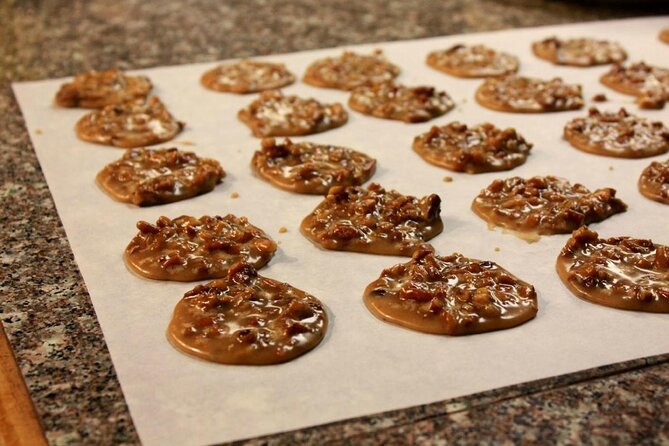
- The menu changes: Gumbo, jambalaya and pralines are among the possibilities, alongside dishes such as crawfish étouffée or bread pudding.
- Come hungry: You receive samples of the prepared dishes, with coffee, iced tea, water and one local beer included.
- The class tells a cultural story: Expect food history and a practical explanation of Cajun and Creole cooking.
- The group may be large: The stated maximum is 68 people, so sound and sightlines may matter if you prefer intimate classes.
A cooking lesson in a former molasses warehouse
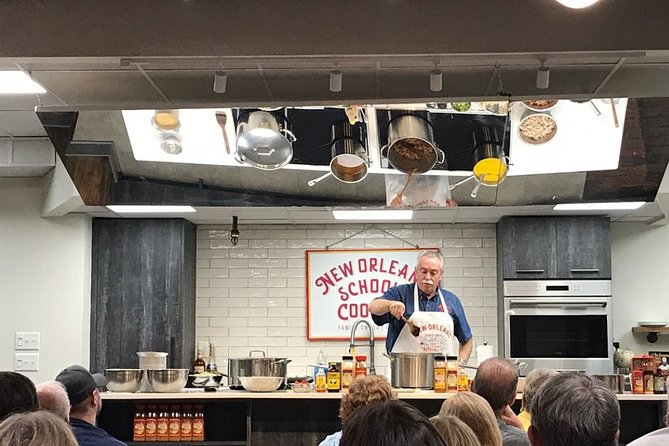
The New Orleans School of Cooking meets at 524 St. Louis Street, in a converted 19th-century molasses warehouse. That setting fits the subject: this is a place to learn about food shaped by Louisiana’s cultural mix, not just to watch a chef follow recipes.
The class lasts about two hours. You take a seat among other food lovers, meet the chef leading that session and settle in for a live cooking demonstration. The format is relaxed and entertaining, with local anecdotes and time for questions woven into the cooking.
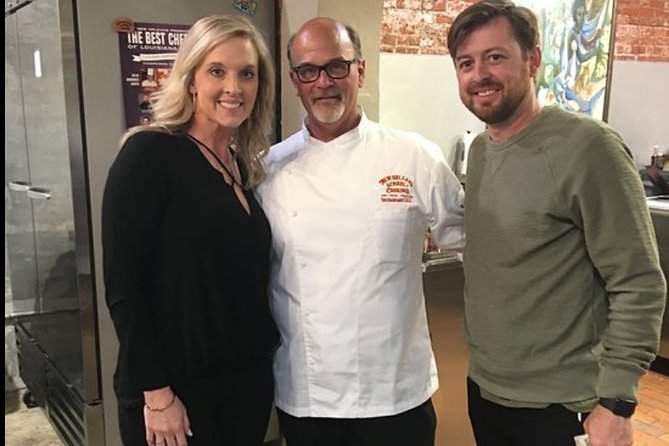
The chef varies by session. Names associated with classes include Lynn, Eric, Dianne, Vivian, Rene, Austin and Terri. You cannot count on a particular instructor, but the teaching style is central to the experience: the chef explains each step, shares food history and keeps the room engaged.
The school’s location also puts the French Quarter in the picture. The French Quarter appears as a stop in the experience details, but the activity is centered on the cooking school. No separate walking tour is described, and the class ends back at the school.
More cooking classes in New Orleans:
- New Orleans Hands-On Cooking Class with Meal
★ 5.0 · 1,183 reviews - New Orleans: Cajun and Creole Cooking Class
★ 4.9 · 730 reviews - Hands-on Cajun Roux Cooking Class in New Orleans
★ 5.0 · 356 reviews
First, understand the roux
The cooking demonstration introduces the building blocks of Louisiana cuisine. A chef may prepare gumbo, jambalaya, crawfish étouffée, shrimp or chicken Creole, or other dishes from the school’s rotating menu. As each recipe takes shape, you see the ingredients and techniques in context rather than encountering them only as a finished plate.
Roux is one technique worth listening for. The chef explains why it matters, how it contributes to a dish and how the cooking process affects the result. The class also covers the distinctive spices used in Louisiana cooking. Some people leave with a new appreciation for how much flavor depends on a recipe’s foundation, not simply how much heat you add at the table.
You can ask about the difference between Cajun and Creole cooking, a distinction the chef is prepared to explain. The two traditions are related, but they are not interchangeable labels. The class gives you a useful introduction to the cultural influences that shape Louisiana food, without requiring you to arrive with a culinary background.
The emphasis is on watching and learning, not taking over the stove. If you want to chop, stir and practice techniques yourself, this is not the right class. If you prefer to observe an experienced chef, ask questions and enjoy a meal without doing the prep, the demonstration format is a real advantage.
A menu that may move from bisque to pralines
The menu varies, so do not book with the expectation that every dish in the sample menu will appear. Possible starters include corn and crab bisque or shrimp and artichoke soup. Main dishes may include gumbo, jambalaya, shrimp or chicken Creole, and crawfish étouffée. Desserts can include bread pudding, bananas Foster, pralines and pecan pie.
That variety is part of the appeal, but it also makes the class a less predictable choice if you have your heart set on one particular dish. The descriptions highlight gumbo, jambalaya and pralines as classic subjects, yet the specific selection depends on the session. Think of the class as an introduction to Louisiana cooking, not a guaranteed menu of every regional favorite.
After each dish is demonstrated, you receive a sample. The portions are described as generous, and the full spread can add up to a filling meal. You are not just watching supper being cooked for someone else; you get to taste the finished recipes while their details are fresh in your mind.
The class also includes one local beer, plus iced tea, coffee and water. If you prefer to season food more heavily, spices are available at the table to adjust the dishes to your taste. The food is not made spicy by default, which can suit a broad group but may disappoint anyone expecting a fiery meal straight from the kitchen.
Food history served with the meal
The strongest reason to choose this class is the blend of cooking and local context. A dish like gumbo becomes more interesting when you understand the traditions and influences around it. The chef’s anecdotes and explanations help turn the meal into a small lesson in Louisiana culture.
The tone is meant to be lively, with room for humor as well as instruction. Chefs mentioned by name include Lynn, Eric and Austin, among others, and the class experience can depend on who is leading it that day. The useful qualities to look for are clear step-by-step explanations, an open invitation to ask questions and a sense of how the dishes fit into local food traditions.
That storytelling is a practical bonus for your trip. You leave with more than a list of ingredients: you have some context for the food you may encounter elsewhere in New Orleans. If you are new to Cajun and Creole cooking, the lesson can help you notice the role of seasoning, technique and regional history when you order a meal later.
It is still a class in a group setting, not a private conversation with a chef. The maximum group size is 68, and a sizable audience can make the room noisier. If you have trouble hearing in a crowd, or want close individual guidance, consider that before paying.
More hands-on workshops in New Orleans:
- Hands-on Cajun Traditions Cooking Class
★ 5.0 · 132 reviews - New Orleans Cooking Class and Cocktail Walking Tour
★ 4.5 · 109 reviews - New Orleans Small-Group Food Walking Tour and Cooking Class
★ 5.0 · 47 reviews - Voodoo Doll Class in New Orleans
★ 5.0 · 40 reviews
Is $43 good value?
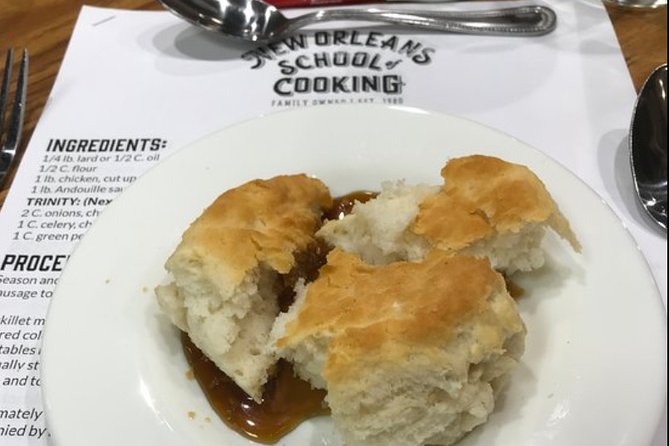
At $43 per person, the price covers about two hours of instruction, a meal made up of generous samples, one local beer, iced tea, coffee, water and printed recipes. That is a solid bundle if you value both food and explanation. You are paying for a meal, but also for a local chef’s demonstration and a guided introduction to the region’s cooking.
The value improves if you plan to use the recipes at home. The class gives you a starting point for dishes that may otherwise seem daunting, especially if roux or Creole seasoning is unfamiliar. You can take the recipes with you and try the food again after the trip. The school also offers a diploma if you submit photos of yourself making the recipes at home.
A restaurant meal might be the better choice if you mainly want to taste New Orleans food in a quiet setting. Here, part of the meal is spent listening and watching. You are also sharing the room with a group, and the exact dishes on the menu can vary. In return, you get an explanation of what is on your plate and how it was made.
Gratuities are not included, and 15 to 20 percent is recommended. Keep that in mind when comparing the ticket price with other dining plans.
Who will get the most from this class?

This experience suits curious eaters, home cooks and first-time visitors who want a useful introduction to Louisiana food. You do not need to be an experienced cook. The chef explains the process as the dishes are made, and the samples make the lesson easy to follow with your appetite as well as your ears.
It can also work well for couples, friends and families looking for a shared activity that is more engaging than simply going out to eat. You can enjoy the meal even if your companion is the one who usually cooks. The atmosphere is meant to be casual, and the chef’s stories give non-cooks a reason to pay attention.
For experienced cooks, the value lies in the regional techniques, recipe details and cultural context. Do not expect a deep technical workshop, however. You watch rather than practice, and the group size limits the amount of individual instruction you are likely to receive.
Dietary needs require planning. The school asks you to call its reservations line after booking and tell the staff about restrictions. For a $5 charge payable at check-in, you can receive gumbo z’herbes and Creole z’herbes as vegan, gluten-free and nut-free substitutions. These alternatives are discussed but are not demonstrated. The school cannot alter the recipes being prepared, and the substitutions may not suit every restriction, so check with staff before you book.
Timing, location and a few practical details
Plan on roughly two hours at the New Orleans School of Cooking, 524 St. Louis Street. The experience ends at the same meeting point. The activity is near public transportation, and confirmation is provided when you book.
The class is offered in English and uses a mobile ticket. It is booked, on average, about 24 days ahead, so arranging it early may help if you have a firm date in mind. That average is not a booking deadline, but it suggests the class is popular enough to plan rather than leave until the last minute.
You can cancel for a full refund up to 24 hours before the start time. Cancellations or changes made inside that window are not accepted for a refund. The experience can also be affected by weather or minimum attendance requirements; if the school cancels for either reason, you are offered another date or a full refund.
Should you book it?
Book this class if you want a friendly food lesson with enough tasting to count as a meal. It brings together the dishes, techniques and stories that help explain Louisiana cooking, and the recipes give you something practical to take home.
Skip it if you want hands-on instruction, a small group or a guaranteed menu. For everyone else, the price makes sense when you value both the food and the explanation. Come hungry, expect to share the room, and ask the chef about the roux.
FAQ
Is this a hands-on cooking class?
No. It is a demonstration class. You watch the chef prepare the dishes, can ask questions and receive samples afterward.
How long does the class last?
The class lasts about two hours.
What food might be served?
The menu varies. Possible dishes include gumbo, jambalaya, corn and crab bisque, shrimp or chicken Creole, crawfish étouffée, bread pudding, bananas Foster, pralines and pecan pie.
Are drinks included?
Yes. Coffee, iced tea, water and one local beer are included.
Can the school accommodate dietary restrictions?
The school asks you to call after booking to discuss dietary needs. For a $5 charge payable at check-in, it offers gumbo z’herbes and Creole z’herbes as vegan, gluten-free and nut-free substitutions. These dishes are discussed but not demonstrated, and the school cannot modify the recipes being prepared.
Where does the class start and end?
It starts at the New Orleans School of Cooking, 524 St. Louis Street, New Orleans, and ends at the same meeting point.
What is the cancellation policy?
You can cancel up to 24 hours before the start time for a full refund. Cancellations or changes made less than 24 hours before the start time are not refunded or accepted.
Newest tours in New Orleans
- New Orleans : Garden District Architecture Walking tour★ 4.8 · 5 reviews
- Ultimate Denver Day Out: Red Rocks, City Views & Ice Cream★ 5.0 · 7 reviews
- True Voodoo History of NOLA’s Congo Square with Local Guide★ 4.9 · 16 reviews
- From New Orleans: Whitney and Laura Guided Plantation Tour★ 4.9 · 20 reviews
- Witches Coven Walking Tour in New Orleans★ 5.0 · 49 reviews
- Treme Bar Crawl & Seafood Experience★ 4.2 · 7 reviews
- Craft brewery hopping through New Orleans | Uptown★ 5.0 · 31 reviews
- New Orleans Self-Guided Kayak Bayou Swamp Tour★ 5.0 · 9 reviews
New Orleans Cooking Classes, compared.
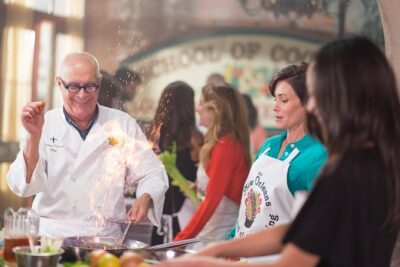
New Orleans Hands-On Cooking Class with Meal
Read our review →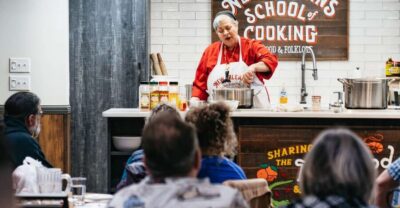
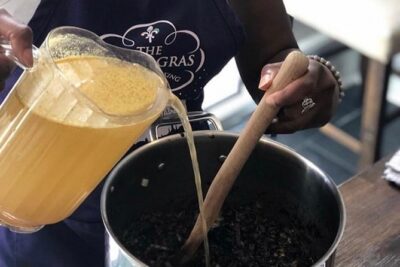
Hands-on Cajun Roux Cooking Class in New Orleans
Read our review →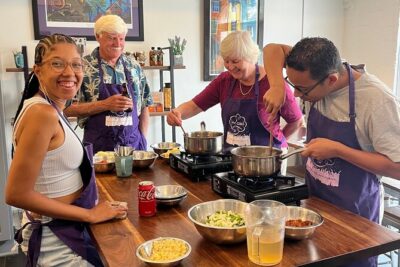
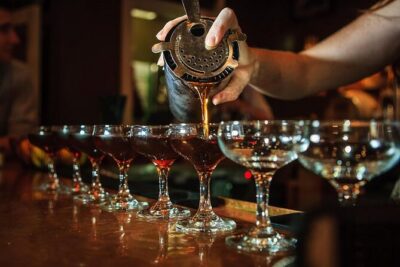
New Orleans Cooking Class and Cocktail Walking Tour
Read our review →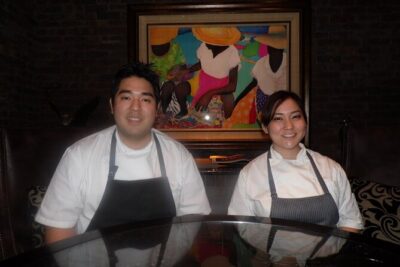
New Orleans Small-Group Food Walking Tour and Cooking Class
Read our review →
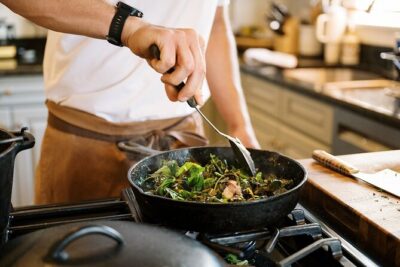
Private New Orleans Cajun Cooking Class with a Local Courtland
Read our review →Browse the lists this tour appears in